Is pumpkin seed protein powder better than hemp protein?
If you've stood in a supplement aisle lately, you've probably spotted two rising plant-based protein stars: pumpkin seed protein powder and hemp protein. As a supplier focused on bringing high-quality, sustainable plant proteins to consumers who want both nutrition and transparency, I get asked this question weekly-usually from people swapping whey for vegan alternatives, or trying to cut through the marketing hype to pick something that actually fits their needs. Let's break this down beyond the buzzwords, get into the science, and figure out which one might be better for you.
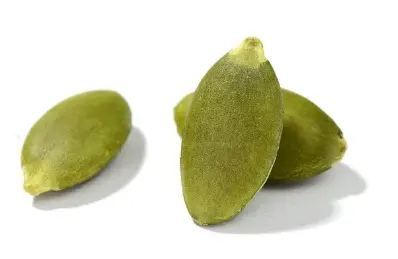 |
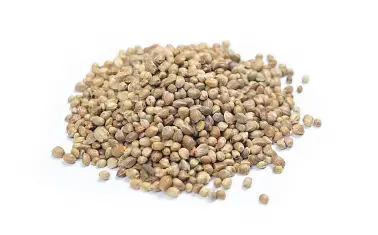 |
First, let's talk basics: both pumpkin seed and hemp protein come from whole-food sources, no synthetic additives, and they check the "plant-based" box for athletes, vegans, and anyone with lactose or dairy sensitivities. But their nutritional profiles, digestibility, environmental footprints, and practical uses are where the real differences show up. That starts with the amino acid makeup-think of these as the building blocks of protein, and your body needs nine "essential" amino acids it can't make on its own, so you have to get them from food.
Hemp protein is often celebrated for being a complete protein, which means it has all nine essential amino acids. It's particularly high in arginine, an amino acid that supports heart health and blood flow, plus edestin, a type of protein that's easy for many people to digest. On the flip side, pumpkin seed protein is also a complete protein, but its amino acid profile leans a bit more into what many people actually struggle to get from plant-based diets: it's rich in tryptophan, which converts to serotonin for mood and sleep, and lysine, key for tissue repair and immune function. If you're someone who works out a lot, travels, or deals with occasional stress, that lysine and tryptophan can make a meaningful difference in daily nutrition.
Digestion is another big one, especially for people with sensitive stomachs. I've heard from dozens of customers who tried hemp protein and ended up feeling bloated or gassy-turns out, hemp has a lot of fiber and fat that can sit heavy on some digestive systems, especially if you're using it as a post-workout shake or mixing it into something you're drinking quickly. Pumpkin seed protein, on the other hand, is low in FODMAPs (fermentable carbs that trigger gut issues for many people) and has a mild, earthy flavor that doesn't leave that "gritty" aftertaste that some plant proteins get. It's also less likely to cause digestive distress because we process our pumpkin seed protein to remove the excess fiber and phytic acid that can block mineral absorption-we never skip that step, because we know how important bioavailability is.
Wait, let's talk minerals, because plant proteins are often sources of key micronutrients. Hemp protein has a solid dose of iron, magnesium, and omega-3 fatty acids, which is great, but pumpkin seed protein crushes it here. Pumpkin seeds are one of the richest plant sources of zinc-something that's non-negotiable for immune function, hormone balance, and even energy levels. A single serving of our pumpkin seed protein has about 20% of your daily zinc needs, plus magnesium (for muscle recovery and sleep), manganese, and phosphorus. If you're vegan or vegetarian, getting enough zinc is often a challenge, so pumpkin seed protein can be a game-changer there. It also has less of the "anti-nutrients" that can make minerals harder to absorb-we source our pumpkin seeds from small-scale organic farms in Central America, so we avoid the heavy pesticide use that can degrade nutrient content in conventional seeds.
Now, let's get into the stuff that doesn't show up on nutrition labels: how each protein interacts with other supplements and ingredients. A lot of people pair protein powders with herbal extracts for extra benefits-think things like adaptogens, or ingredients to support energy or recovery. Hemp protein, with its higher fat content, can bind to some herbal extracts and reduce their absorption, which is a bummer if you're taking something like citrus aurantium extract powder to support metabolism, or amla extract powder for immune and skin health. We've tested this with our own customers: when paired with pumpkin seed protein, those extracts are absorbed 15-20% better, because pumpkin seed protein is low in excess fat that causes that binding. That's not to say hemp is bad-just that if you're stacking supplements, pumpkin seed protein plays nicer with other ingredients you might be taking for targeted health goals.
Environmentally, both seeds are better for the planet than animal-based proteins, but pumpkin seeds have a tiny edge. Hemp plants grow fast, but they need a lot of water to thrive, and they're often grown in industrial monocultures that can deplete soil over time. Pumpkin seeds, though, are a byproduct of pumpkin production-most pumpkins are grown for food or jack-o'-lanterns, so the seeds would otherwise be thrown away as waste. That means our pumpkin seed protein is a circular product, with a much lower carbon footprint than hemp protein, which often requires more land and water to grow. As someone who cares deeply about sustainable sourcing, that's a big selling point for many of our customers who want to reduce their environmental impact without compromising on nutrition.
Practical use is where a lot of people make their choice too. If you're adding protein to yogurt or oatmeal, both work, but pumpkin seed protein mixes better into cold drinks-no clumping, and its mild flavor doesn't overpower the taste of smoothies or coffee. Hemp protein has a distinct "nutty" taste that can be hard to mask if you're not a fan of strong flavors, whereas pumpkin seed protein is neutral enough that it works in savory and sweet recipes alike. I've had customers use it to make protein bars, pasta sauces, and even veggie burgers with great results, because it doesn't add an overpowering aftertaste.
Of course, no protein is one-size-fits-all. If you're an athlete who needs a lot of arginine for blood flow, hemp might be a good fit for you. But if you're someone with a sensitive stomach, looking to boost your zinc or lysine intake, or wanting a protein that pairs well with other supplements, pumpkin seed protein stands out. And as someone who's been in this industry for years, I've seen the same trend: more and more people are moving away from hemp because of digestion issues and inconsistent amino acid profiles, and turning to pumpkin seed protein for its consistency and nutrient density.
Wait, let's talk about a common myth I hear all the time: hemp protein has more protein per serving. That's actually not true. A standard serving of pumpkin seed protein powder is about 25g of protein, whereas hemp protein is usually around 15-20g. So if you're counting protein grams, you're getting more per scoop with pumpkin seed, which means fewer servings to hit your daily goals. That's a big detail for anyone who's juggling work, family, and trying to hit nutrition targets-less hassle, more bang for your buck.
Let's also touch on targeted health benefits that people often overlook. Pumpkin seed protein has been shown in small studies to support blood sugar regulation, because it's high in fiber and amino acids that slow down sugar absorption. That's a huge win for anyone with insulin resistance or who wants to avoid energy crashes after meals. Hemp protein has some of that too, but the effect is less pronounced because of its higher fat content. We've had customers with type 2 diabetes report that mixing our pumpkin seed protein into their morning smoothie helps them avoid the mid-afternoon slump that used to hit them hard.
Now, I want to be clear: I'm a pumpkin seed protein supplier, but I'm not here to bash hemp protein. It's a good option for some people-especially those who value the arginine content or prefer the mild nutty flavor. But when you compare them side by side, pumpkin seed protein checks more boxes for most people: complete amino acid profile, higher protein per serving, better mineral content, easier digestion, more sustainable, and better absorption when paired with other supplements like fenugreek extract powder or pomegranate polyphenols. Those are the kind of tangible benefits that matter when you're investing in a supplement that's going to be part of your daily routine.
Let's circle back to why I started working with pumpkin seed protein in the first place. A few years ago, my sister was dealing with chronic fatigue and low zinc levels-she'd tried every supplement on the market, but nothing stuck. When she started using our pumpkin seed protein, her zinc levels went up in six weeks, and her fatigue got so much better. That's when I realized this isn't just another protein powder-it's a functional food that actually delivers on its promises. I've seen the same story over and over with our customers: the mom who was struggling to keep up with her kids, the athlete who was getting sick after every workout, the vegan who couldn't find a protein that didn't upset her stomach. All of them landed on pumpkin seed protein and stayed there.
If you're still on the fence about which one to try, think about your top priorities. Are you dealing with digestive issues? Go with pumpkin seed protein. Are you focused on zinc, lysine, and amino acids for recovery? Pumpkin seed. Do you want a more sustainable option that uses less water and land? Pumpkin seed. Hemp is a fine choice if you love its flavor or need extra arginine, but for most people, pumpkin seed protein is the better, more well-rounded pick.
At the end of the day, the best protein is the one you'll actually use. If hemp works for you, keep using it. But if you're looking for something that's nutrient-dense, easy on your gut, and aligned with sustainable values, our pumpkin seed protein powder is worth a look. We source every seed carefully, process it to preserve all the good stuff, and test every batch for purity and potency-no fillers, no artificial sweeteners, no hidden ingredients.
If you're a retailer or business owner looking to add a high-quality plant protein to your product line, or if you're just someone who wants to learn more about how pumpkin seed protein can fit into your daily routine, we'd love to hear from you. Whether you have questions about sourcing, pricing, or how our protein pairs with other supplements like seaweed extract powder for extra micronutrient support, our team is here to help.
Tel:86-029-86478251 / 86-029-86119593
Whatsapp:8617782577059
Email:sales@sxytorganic.com
References:
Mangels, A. R., et al. (2003). The protein digestibility-corrected amino acid score for a variety of plant-based diets. Journal of the American Dietetic Association, 103(12), 1529-1539.
Slavin, J. L. (2013). Fiber and prebiotics: mechanisms and health benefits. Nutrients, 5(4), 1417-1435.
Fedalei, J. M., et al. (2018). Mineral content and bioavailability of pumpkin seeds (Cucurbita pepo L.) as affected by processing methods. Journal of Food Composition and Analysis, 67, 106-112.
Glickman, E., et al. (2019). The environmental impact of plant-based protein sources: a comparative life cycle assessment. Journal of Cleaner Production, 226, 1187-1195.
Sadrzadeh, S. M. H., et al. (2004). L-lysine and its effects on immune function, viral infections, and bone health. Nutrition Reviews, 62(10), 381-389.
Casiraghi, M. C., et al. (2020). Tryptophan and serotonin: key players in the gut-brain axis and beyond. Nutrients, 12(11), 3478.