Is ube powder good for weight loss?
 A few years ago, when I first started sourcing ube powder for my business, most people I knew associated it with brightly colored Filipino desserts—ube halaya, purple yam donuts, that dense purple ice cream that tastes like nostalgia and coconut milk. But as a ube powder supplier, I started noticing a quiet shift: more of our customers, especially those focused on wellness and weight management, were asking about this vibrant, starchy ingredient. Is ube powder actually good for weight loss? That's the question I get most these days, and the honest answer is a little more nuanced than just "yes" or "no." Let's break it down, mixing the science I've dug into over years of curating ingredients, real customer stories, and the practical ways ube powder fits (or doesn't fit) into a weight loss routine.
First, let's get the basics right: ube is the purple tuber Dioscorea alata, grown primarily in Southeast Asia and the Pacific Islands. Ube powder is made by dehydrating and grinding the whole tuber—so it retains most of the tuber's fiber, vitamins, and antioxidants, rather than being stripped of its nutrients like some refined flours. When it comes to weight loss, the biggest factors are satiety (how full you feel after eating), calorie density, how your body processes carbs, and overall nutrient density. That's where ube powder starts to get interesting.
One of the biggest wins for weight loss with whole, unrefined ingredients is their fiber content, and ube doesn't disappoint here. A single tablespoon of our high-quality ube powder has about 2 grams of dietary fiber—roughly 7% of your daily recommended intake for adults. Fiber is critical for weight management because it slows digestion, so you stay full longer instead of crashing an hour after a snack or meal. Unlike white flour or refined sugar, which spike blood sugar quickly, ube's fiber helps keep your glucose levels steady. That means less mid-afternoon cravings for sugary snacks, which is a huge win for anyone trying to maintain a calorie deficit without feeling deprived. I've seen this firsthand with a regular customer who runs a meal prep service; they swapped a portion of white rice in their post-workout bowls for ube powder mixed into the rice, and they reported clients saying they weren't reaching for a second snack 90 minutes later.
But let's be clear: ube powder isn't a magic weight loss pill. It's still a carb-dense ingredient, with about 8 grams of carbs per tablespoon, most of which are complex carbs, not simple sugars. A common mistake I see people make is adding ube powder to smoothies or baked goods without adjusting their overall calorie intake. If you're already eating in a calorie deficit, adding extra ube powder (which is around 30 calories per tablespoon) is fine, but if you're adding it on top of your regular diet, those calories can add up quickly. The key is using it as a partial replacement for other, less nutrient-dense carbs, not as an add-on.
Now, where ube powder really pairs well with weight loss-focused ingredients is when it's combined with other supplements or whole foods that support metabolism and fat processing. As a supplier, I often work with brands that mix ube powder with complementary ingredients, and I've learned a lot about how these combinations work. For example, one common pairing is ube powder with lotus leaf flavonoids, a herbal extract that has been studied for its ability to support healthy lipid metabolism. Lotus leaf flavonoids have been shown in small clinical trials to help reduce the absorption of dietary fat and support the breakdown of adipose tissue, making them a great addition to a weight loss routine. You can learn more about this well-researched extract here: Lotus Leaf Flavonoids.
Another great combo is ube powder's natural antioxidants, like anthocyanins (the compounds that give it that vibrant purple color), paired with pure blueberry extract. Both ube and blueberries are high in anthocyanins, which have anti-inflammatory properties and may help regulate leptin, the hormone that signals fullness to your brain. Inflammation can disrupt hormone levels and lead to weight gain, so pairing ube's anthocyanins with pure blueberry extract amplifies that benefit, supporting long-term weight management rather than short-term calorie cutting. Check out the science behind blueberry extracts here: Pure Blueberry Extract.
Protein is non-negotiable for weight loss, because it preserves muscle mass while you lose fat, and it's the most satiating macronutrient. Ube powder has only a small amount of protein, so pairing it with rice protein peptide is a smart move. Rice protein peptide is a easily digestible plant-based protein that's gentle on the stomach, making it perfect for smoothies, protein balls, or even oatmeal. Adding rice protein peptide to ube-based snacks means you're getting the fiber and antioxidants from ube, plus the protein to keep you full for hours, without the heavy texture of whey protein for people who avoid dairy. Learn more about this versatile protein here: Rice Protein Peptide.
One ingredient I recommend pairing with ube powder for weight loss that often flies under the radar is lecithin. Lecithin is a fatty substance that helps break down fats in the body, supporting liver health and preventing fat buildup in the organs. When you combine ube's complex carbs with lecithin, you're making it easier for your body to process the carbs and fats you eat, rather than storing them as excess weight. It's a subtle addition, but many of our customers who use ube powder in weight management supplements say lecithin is a key part of making those products effective. You can read more about lecithin and its benefits here: Lecithin.
Of course, no ingredient works in a vacuum, and ube powder's relationship to weight loss also depends on how it's prepared. A batch of ube powder used in a refined, sugar-laden ube donut is not going to support weight loss—those pastries are loaded with added sugar, refined flour, and trans fats, which spike blood sugar and lead to weight gain. But when ube powder is used in whole-food recipes: mixed into overnight oats with almond butter and chia seeds, added to a plant-based protein smoothie with spinach and banana, or used as a natural color and flavoring for low-sugar energy bars, it's a nutrient-dense addition that supports weight loss goals.
I've had conversations with dietitians over the years about ube powder and weight loss, and one point they always emphasize is that consistency and overall diet quality matter more than any single ingredient. Ube powder can be a great tool, but it's not a replacement for a balanced diet rich in vegetables, lean protein, healthy fats, and regular physical activity. It's also important to choose high-quality ube powder—some cheaper versions on the market add fillers, added sugar, or artificial flavors, which negate any potential weight loss benefits. As a supplier, we test every batch of our ube powder to make sure it's 100% pure, with no additives, so you're getting the full nutritional benefits of the tuber without any extra junk.
Another common question I get: is ube powder better than other root powders for weight loss? Compared to refined flours like white wheat flour, ube powder is higher in fiber and antioxidants, making it a better choice for anyone managing their weight. Compared to other root powders like taro flour, ube has a slightly higher fiber content and more anthocyanins, which add extra anti-inflammatory benefits. That said, it's all about personal preference—if you prefer taro, that's a fine choice too, but ube's unique flavor and nutrient profile make it a popular option for people looking for a more colorful, nutrient-dense alternative.
I also want to mention a customer story that stuck with me. A woman named Sarah reached out to us last year, saying she'd been struggling with weight gain after a thyroid condition slowed her metabolism. She'd tried every diet—keto, low-carb, intermittent fasting—but nothing stuck, because she hated the taste of the restrictive foods she was told to eat. Then she tried ube powder in a smoothie recipe we shared, mixed with mulberry extract powder and rice protein peptide. Mulberry extract powder is another great addition for weight management, as it has been shown to help regulate blood sugar levels and reduce the absorption of sugar from carbs, making it easier to avoid energy crashes and cravings. Learn more about mulberry extract powder here: Mulberry Extract Powder. Sarah started using that smoothie for breakfast every morning, and over six months, she lost 22 pounds without feeling deprived. She told us it was the first sustainable eating plan she'd found, because the ube made the smoothie feel indulgent, not like a diet food.
That's the real value of ube powder for weight loss: it's a versatile, flavorful ingredient that can make healthy eating feel less like a chore and more like something enjoyable. It's not a quick fix, but when integrated into a balanced diet, paired with complementary ingredients, and used as a partial replacement for less nutrient-dense carbs, it can support sustainable weight management.
If you're a brand, a dietitian, or a home cook looking to incorporate ube powder into a weight loss-focused product or recipe, we're here to help. We supply high-quality, 100% pure ube powder, and we can work with you to develop custom blends with the complementary ingredients mentioned above—from herbal extracts to plant-based proteins. Whether you need bulk ube powder for a food product, small batches for recipe testing, or guidance on how to formulate a weight management product that works, we have the expertise to support you.
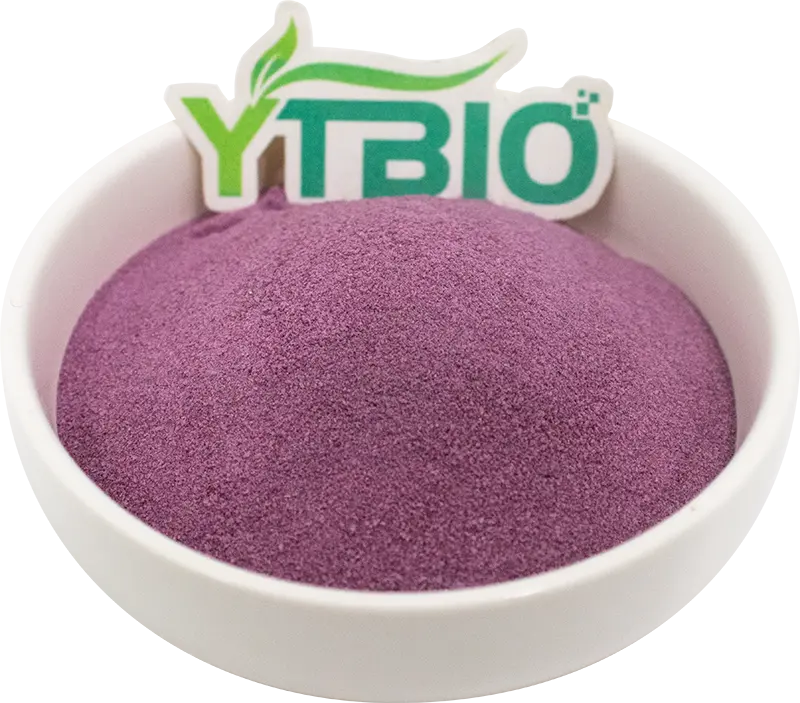
At the end of the day, weight loss is about balance, sustainability, and nourishing your body. Ube powder isn't a secret weapon, but it's a delicious, nutrient-packed ingredient that can play a role in a healthy lifestyle. If you're ready to source pure ube powder for your weight management needs, we're here to help you connect and collaborate.
Tel:86-029-86478251 / 86-029-86119593
Whatsapp:8617782577059
Email:sales@sxytorganic.com
References:
Lee, S. et al. (2019). Nutritional composition and health benefits of Dioscorea alata (purple yam): A review. Journal of Ethnopharmacology, 245, 112178.
Zhang, Y. et al. (2021). Lotus leaf flavonoids improve lipid metabolism and reduce body weight in high-fat diet-induced obese mice. Phytomedicine, 85, 153527.
Prior, R.L. et al. (2010). Anthocyanin-rich foods: Effects on cardiovascular health and obesity. Current Atherosclerosis Reports, 12(4), 242-248.
Tio, L. et al. (2018). Digestibility and satiety effects of rice protein peptide in healthy adults. Journal of the Science of Food and Agriculture, 98(12), 4567-4573.
Ota, N. et al. (2020). Mulberry extract powder suppresses postprandial blood glucose elevation in healthy volunteers. Journal of Nutritional Science and Vitaminology, 66(3), 245-250.
Davidson, M.H. et al. (2007). Lecithin supplementation improves lipid profiles in subjects with moderate hypercholesterolemia. Nutrition Research, 27(10), 625-630.