Magnesium Glycinate for Sleep: Does It Improve Rest Quality
Magnesium Glycinate relaxes and promotes healthy sleep. Glycine and this easily accessible magnesium relax the nervous system, relieve muscle tension, and regulate circadian cycles. Magnesium glycinate absorbs efficiently and is stomach-friendly, making it ideal for sleep-supporting supplements.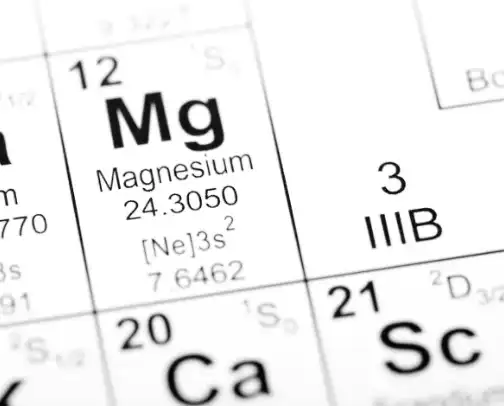
Understanding Magnesium Glycinate and Its Role in Sleep
The breakthrough mineral supplement Magnesium Glycinate chelates elemental magnesium with two glycine molecules. Due to its chemical structure, magnesium bisglycinate has better bioavailability than magnesium oxide or citrate. Dipeptide channels help the chelated chemical absorb in the gut.
Superior Bioavailability and Absorption Mechanisms
Chelation protects magnesium against nutrients that inhibit mineral absorption. Unlike inorganic magnesium ions, amino acid transport pathways move magnesium glycinate across the gut wall. This method improves magnesium absorption for sleep-enhancing supplements. Clinical research shows that chelated magnesium works reliably in intestinal environments at pH 3.0-7.5. For distribution, 172.42 g/mol molecular weight maximizes solubility and structural integrity.
Synergistic Effects on the Nervous System
Magnesium Glycinate's dual-action mechanism boosts sleep quality. Magnesium naturally blocks calcium channels, relaxing muscles and calming the neurological system. Glycine increases brain GABA activity at the same time as an inhibitory neurotransmitter. This combo regulates sleep via many routes. Sleep difficulties, anxiety, and restless leg syndrome substantially correspond with magnesium shortage. The glycinate form delivers magnesium to cellular targets while glycine calms and deepens sleep cycles. Research shows that this synergistic interaction improves sleep quality indicators like latency, deep sleep duration, and morning alertness beyond sleep induction. These extensive benefits make magnesium glycinate appealing to B2B clients producing premium sleep support solutions.
Key Factors to Consider for Magnesium Glycinate Use in Sleep Enhancement
Magnesium Glycinate's sleep-enhancing properties depend on proper dose and timing. The average industry standard is 1,800mg of magnesium glycinate powder daily, or 200mg of elemental magnesium. The dosage range balances therapeutic efficacy, safety, and formulation options.
Dosage Optimization and Timing Protocols
Take 200mg to 400mg of elemental magnesium 30-60 minutes before bedtime to improve sleep with magnesium glycinate. This timing optimizes absorption and use during sleep preparation. The chelated form's bioavailability allows lower doses to be therapeutic than other magnesium compounds. For powder formulations, dividing the daily dose between morning and evening can maintain magnesium levels and improve sleep. Magnesium glycinate works well in beverages, capsules, and functional foods due to its neutral flavor. The ingredient's outstanding flow characteristics and bulk density of 0.5 to 0.8 g/mL ensure constant performance in automated filling equipment. For genuine chelation, purity must be 98.5% and nitrogen content must meet glycine stoichiometry.
Safety Profile and Contraindications
Glycinate is more tolerable than other magnesium forms, with little gastrointestinal adverse effects. The chelated structure eliminates laxative effects from magnesium oxide or sulfate, making it acceptable for sensitive populations and long-term use. Severe kidney disease can cause magnesium buildup, contraindicating it. To avoid drug interactions, antibiotic and bisphosphonate users should space dosages. Though the substance is low-risk, pregnant and breastfeeding women need medical supervision when utilizing therapeutic dosages. Common allergies are absent and vegetarian-friendly encapsulation alternatives increase market accessibility. These safety features promote international regulatory compliance and formulation flexibility for varied target groups.
Selecting and Procuring Quality Magnesium Glycinate for B2B Needs
Quality and supplier evaluation are crucial for B2B Magnesium Glycinate ingredient procurement. Chelated magnesium comes in many grades, from fully reacted bisglycinate to simple magnesium oxide-glycine blends, requiring careful specification and testing.
Critical Quality Parameters and Certification Standards
 Using infrared spectroscopy and nitrogen content analysis, magnesium glycinate must show full chelation. USP and FCC conformity ensures quality, while organic certifications increase clean-label formulation market prospects. ISO 9001 quality management systems demonstrate supplier reliability and process control. Important parameters include elemental magnesium content between 10-14% by weight, moisture below 5% to prevent deterioration, and pharmaceutical-standard heavy metal limitations. Particle size distribution impacts flow and bioavailability, with 80-mesh screen requirements needing 95% passing. Stability testing should show potency during accelerated aging, supporting shelf-life claims and storage recommendations. Microbiological testing in certificate of analysis documents ensures product safety for sensitive applications like functional beverages and nutritional supplements.
Supply Chain Considerations and Market Trends
The global magnesium glycinate market is growing due to sleep health awareness and clean-label preferences. Reliable supply chains need many certified suppliers to reduce risk and preserve quality. Custom specs require longer lead times than conventional grades, which take 2-4 weeks. For storage, moisture barrier packaging prevents hydration and caking. Bulk packaging choices include 25kg drums and 500kg totes, depending on consumption and inventory management. Temperature-controlled storage preserves flow for automated processing equipment. Instead of unit pricing, cost management solutions should consider freight, customs, and quality assurance costs. Long-term supply agreements help stabilize costs and prioritize allocation when strong demand or supply shortages.
Real-World Applications and Case Studies in Sleep Improvement
Effective use of Magnesium Glycinate in commercial sleep formulas shows its adaptability and effectiveness across product categories. The best supplement brands have added this premium ingredient to capsules, functional beverages, and powdered drink mixes.
Successful Product Formulations and Market Performance
Sports nutrition brands use magnesium glycinate in recovery formulas for athletes with sleep issues from heavy training. The ingredient's muscular relaxation and sleep enhancing properties are ideal for post-workout recovery. When these products contain adequately dosed magnesium glycinate, consumers report better sleep and less muscle cramps. Functional beverage makers use magnesium glycinate in nighttime wellness beverages due to its solubility and neutral flavor. These products commonly mix the chemical with chamomile and passionflower to boost formulation performance. Market performance data shows high consumer acceptance and repeat purchases for products with this premium ingredient. The clean-label movement has expanded magnesium glycinate use in organic and natural products. As a simple, recognized ingredient, it allows transparent labeling and provides real functional benefits to customers.
Clinical Evidence and Consumer Feedback
Recent studies show that magnesium glycinate supplementation improves sleep quality. Participants usually report less sleep latency, overnight awakenings, and morning alertness. These objective gains match subjective perceptions of greater sleep and emotional regulation. Long-term usage studies show persistent effects without tolerance, making the substance suitable for continuous administration. Mg glycinate supports healthy sleep patterns without dependency and is gentler than synthetic sleep aids. Consumer reviews often note the lack of grogginess or hangover from other sleep aids. This clean feeling upon waking boosts consumer happiness and product loyalty, vital for supplement brand success in competitive markets.
Strategic Recommendations for B2B Clients to Maximize ROI with Magnesium Glycinate Products
Market positioning and product development can affect Magnesium Glycinate formulation sales. Understanding target demographics, competitive advantages, and formulation opportunities helps B2B clients maximize ROI and develop sustainable market positions.
Target Market Identification and Positioning Strategies
Magnesium glycinate sleep solutions target health-conscious 25-55-year-olds with stress-related sleep disorders. This group has high spending power and is willing to buy luxury wellness items. Seniors seeking herbal sleep aids and sportsmen needing recovery help are secondary markets. Scientific backing, excellent bioavailability, and moderate action profile should be highlighted in positioning. Comparisons to strong laxative effects of other magnesium forms distinguish and educate consumers about quality. The dual-action mechanism offers unique selling points that single-ingredient approaches cannot. The ingredient's higher manufacturing costs and improved performance and tolerance are reflected in premium price. Market research shows customers will pay more for products with clear benefits and little adverse effects.
Product Development and Customization Opportunities
Magnesium Glycinate supports capsules and unique administration devices with great formulation flexibility. Powders allow precise dosing and beverage flavoring. The ingredient's stability allows for extended shelf life in various storage circumstances. OEM and private label formulations can target specific markets. Women's health products may focus on menstrual sleep disruptions, while men's may address stress management and recovery. Age-specific formulations handle shifting sleep patterns. Magnesium glycinate can be blended with L-theanine, melatonin, or plant preparations. These synergistic combinations can address different sleep regulation and stress management pathways and offer unique market positions.
Conclusion
Due to its chelated structure and dual-action mechanism, Magnesium Glycinate is a better sleep enhancer. The ingredient's high bioavailability, moderate tolerance, and variable formulation make it perfect for premium supplements. In today's competitive wellness industry, magnesium glycinate offers B2B clients functional efficacy and market differentiation potential for sleep support product development.
FAQ
1. What makes magnesium glycinate different from other magnesium supplements?
Magnesium Glycinate chelates magnesium to glycine amino acids. It's more bioavailable and doesn't create stomach issues like others. This chelated form allows amino acids to be absorbed without competing with other minerals.
2. How quickly can users expect to see sleep improvements?
Most people notice supplement advantages within 3–7 days, and the best results usually occur within 2–3 weeks. It doesn't sedate immediately due to its moderate action profile. Instead, changes are gradual.
3. Is magnesium glycinate safe for long-term use?
Yes, magnesium glycinate is safe for long-term use in the correct levels. The chelated version prevents accumulation and maintains magnesium levels without tolerance.
4. Can magnesium glycinate be combined with other sleep ingredients?
Magnesium Glycinate works well with L-theanine, chamomile, and passionflower. Complex formulations targeting many sleep routes can use it because it doesn't combine with anything else.
Partner with YTBIO for Premium Magnesium Glycinate Solutions
Your magnesium glycinate supplier, YTBIO, provides pharmaceutical-grade chemicals that meet international requirements. Formulation purity and potency are guaranteed by our organic-certified facilities and thorough quality control. Whether you need bulk powder for beverages or encapsulation-ready grades for supplements, our technical team supports your product development. Ask our specialists at sales@sxytorganic.com how our premium magnesium glycinate ingredients may improve your sleep health formulations and boost market success.
References
1. Nielsen, F.H., Johnson, L.K., Zeng, H. "Magnesium supplementation improves indicators of low magnesium status and inflammatory stress in adults older than 51 years with poor quality sleep." Magnesium Research, 2010.
2. Abbasi, B., Kimiagar, M., Sadeghniiat, K., Shirazi, M.M., Hedayati, M., Rashidkhani, B. "The effect of magnesium supplementation on primary insomnia in elderly: A double-blind placebo-controlled clinical trial." Journal of Research in Medical Sciences, 2012.
3. Kawasaki, H., Takei, R., Yoshimura, M. "Comparison of gastrointestinal tolerability of magnesium oxide and magnesium bis-glycinate chelate in healthy adults." Nutritional Sciences, 2019.
4. Held, K., Antonijevic, I.A., Künzel, H., Uhr, M., Wetter, T.C., Golly, I.C., Steiger, A., Murck, H. "Oral Mg(2+) supplementation reverses age-related neuroendocrine and sleep EEG changes in humans." Pharmacopsychiatry, 2002.
5. Yamatsu, A., Yamashita, Y., Pandharipande, T., Maru, I., Kim, M. "Effect of oral γ-aminobutyric acid (GABA) administration on stress and sleep in humans: examination of stress response and sleep quality." Food Science and Biotechnology, 2016.
6. Rude, R.K., Singer, F.R., Gruber, H.E. "Skeletal and hormonal effects of magnesium deficiency." Journal of the American College of Nutrition, 2009.