Market Trends for Organic Inulin: Growing Demand and New Opportunities
 As consumer interest in dietary fiber, gut health, and nutritional balance continues to rise, inulin has emerged as a key functional ingredient within the food and nutritional supplement industries.
Inulin is a water-soluble dietary fiber found naturally in various plants, with primary sources including chicory root, Jerusalem artichoke, and agave. As a prebiotic ingredient, inulin is utilized in a wide range of food and nutritional products to develop offerings rich in dietary fiber.
For food suppliers, nutritional supplement brands, and OEM/ODM manufacturers, the growing consumer focus on high-fiber products presents new opportunities for the development and application of inulin across diverse sectors.
Why Is Organic Inulin Gaining Increasing Attention?
The growth of the organic food sector, the "clean label" movement, and the rising demand for plant-based ingredients have created expanded opportunities for organic inulin. As brands continue to broaden their organic product lines, inulin that carries the appropriate organic certification has become a preferred choice for manufacturers during ingredient sourcing and product development.
The potential applications for organic inulin include:
Clean-label products: Suitable for food formulations that emphasize natural, plant-based origins and ingredient transparency.
Organic dietary supplements: Applicable to the development of organic nutritional products, subject to specific product positioning and regulatory requirements.
Functional beverages: Can be incorporated into various powdered or ready-to-drink beverage formulations, provided that factors such as solubility, viscosity, and compatibility with other ingredients are carefully evaluated.
Plant-based foods: Can be used in various plant-based food formulations to help create products that are rich in dietary fiber.
For B2B buyers, selecting organic inulin requires evaluating not only its functional properties but also its organic certification, botanical source, product specifications, quality documentation, and batch-to-batch consistency.
Key Applications of Inulin in the Food and Nutrition Industry
1. Functional Foods and Nutritional Bars
Inulin can be incorporated into a variety of products, including cereals, nutritional bars, baked goods, and snack foods. Depending on the product design and the amount added, it can also influence the texture, mouthfeel, and dietary fiber content of the final food product.
2. Dietary Supplements
Inulin can be incorporated into powders, capsules, tablets, and complex nutritional formulations, serving as a source of dietary fiber or as a prebiotic ingredient.
3. Dairy Products and Plant-Based Alternatives
In certain dairy products and plant-based alternatives, inulin is used to adjust the mouthfeel, texture, and dietary fiber content of the products.
4. Functional Beverages and Powdered Drink Mixes
Inulin can be used in various powdered drink mixes, nutritional powders, and other beverage formulations, providing a source of dietary fiber for product development.
5. Specialized Nutritional Products
Inulin may also be used in nutritional products designed for specific dietary needs. Such applications require careful evaluation based on the target demographic, product design, applicable regulations, and specific formulation requirements.
What Factors Should Be Considered When Sourcing Organic Inulin?
As the use of organic ingredients continues to expand across the food and nutrition industry, buyers should evaluate potential organic inulin suppliers based on several criteria, including quality, certification, and supply capacity.
Organic Certification: Verify the validity of the relevant certifications and ensure that the scope of certification aligns with the target market and the final product.
Botanical Source: Confirm whether the inulin is derived from chicory root, Jerusalem artichoke, agave, or another plant source. Different sources may vary in terms of raw material characteristics and suitability for specific applications.
Product Specifications: Depending on the intended use, consider parameters such as dietary fiber content, moisture level, physical appearance, solubility, and microbiological specifications.
Quality Documentation and Traceability: Obtain product specifications, Certificates of Analysis (COA), relevant certification documents, and any quality-related materials required for supplier audits.
Formulation Compatibility: Assess how the inulin performs in the final product, taking into account processing conditions, dosage levels, sensory attributes (mouthfeel), stability, and the overall ingredient matrix.
Supply Stability: Evaluate the supplier’s production capacity, batch-to-batch consistency, sample support, minimum order quantities (MOQ), and lead times to ensure a reliable, long-term supply.
For companies engaged in long-term procurement, a supplier’s quality management standards, technical support capabilities, and supply reliability are just as critical as the technical specifications of the raw material itself.
What Are The Future Development Trends For Organic Inulin?
In terms of industry trends, the growing demand for dietary fiber, innovation in functional foods, the expansion of plant-based products, and the need for organic raw material sourcing have collectively created significant market opportunities for organic inulin. Future applications for organic inulin are likely to focus on the following areas:
- Organic Nutritional Products: Meeting the demand from brands seeking organic dietary fiber ingredients.
- High-Fiber Food Innovation: Providing ingredient options for cereals, nutrition bars, and other food formulations.
- Plant-Based Product Development: Supporting the formulation of various plant-based foods and beverages.
- Complex Formulations: Combining organic inulin with other compatible plant-derived ingredients, fibers, and nutritional components to develop differentiated products.
It is important to note that requirements regarding organic certification, the use of food ingredients, and product labeling claims vary by country and region. When evaluating market opportunities, companies should carefully consider the regulations of their target markets, specific procurement needs, and technical product requirements.
For raw material suppliers, food manufacturers, and dietary supplement brands, organic inulin serves not only as a plant-based source of dietary fiber but also as a versatile ingredient for developing organic foods and functional nutritional products.
YTBIO: Providing High-Quality Organic Inulin for Food and Nutritional Product Development
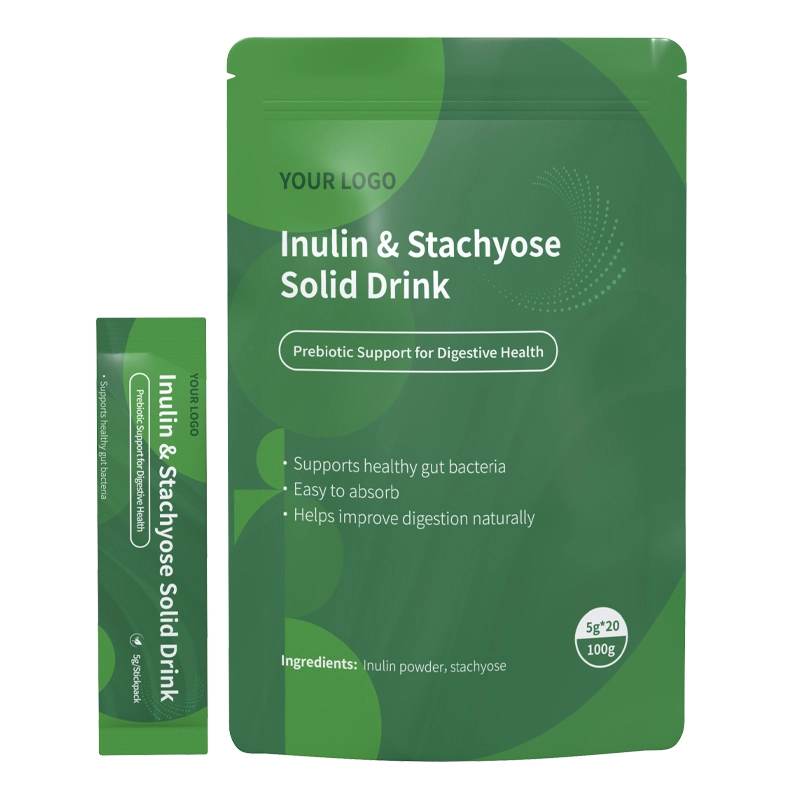
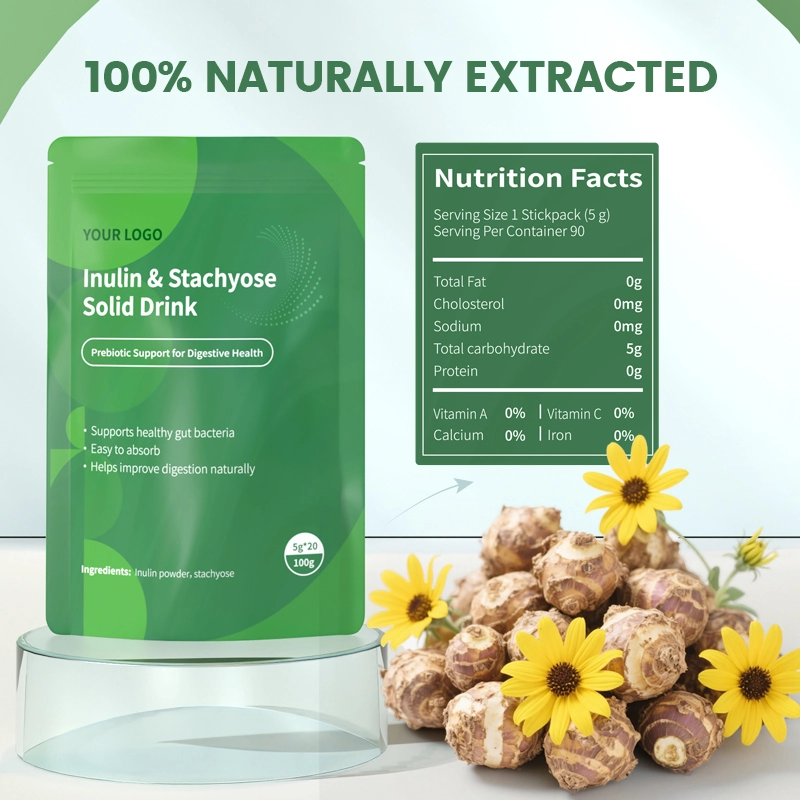
YTBIO specializes in plant extracts, natural food ingredients, raw materials for nutritional supplements, and OEM/ODM services for finished products. If you are looking for organic inulin, please contact us to learn more about our product specifications, quality documentation, and tailored ingredient solutions.
 |
 |
Telephone/WhatsApp:+8617782577059
Email:sales@sxytbio.com