Organic Rice Protein Powder: Characteristics and Application Value
 As consumer interest in balanced nutrition, plant-based diets, and "clean label" products continues to grow, plant-based proteins have become increasingly important ingredients in food formulation. The range of available plant-based proteins—including those derived from soy, peas, wheat, oats, and rice—has expanded significantly, as have their forms and applications.
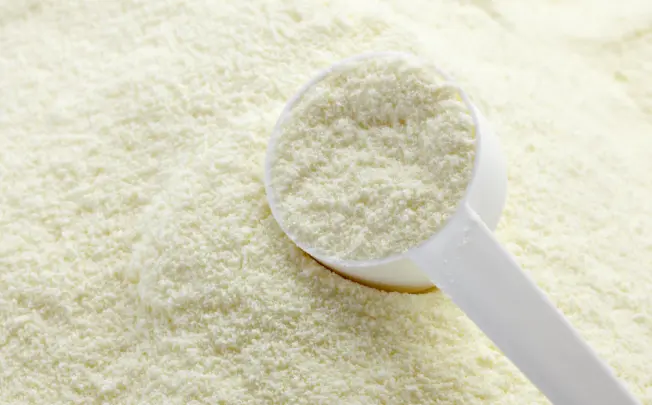
Rice protein, in particular, is a distinctive, grain-derived protein. Sourced from rice, it is plant-based, hypoallergenic, and highly versatile for use in various formulations. Rice protein powder and its derivatives are increasingly utilized in products such as powdered protein beverages, nutritional meal replacements, plant-based foods, and sports nutrition supplements.
Organic rice protein powder further integrates the principles of organic agricultural production with plant-based protein processing, offering an excellent option for food brands that prioritize ingredient sourcing, production standards, and clean-label credentials.
I. Sources and Characteristics of Rice Protein Powder
Rice is a vital global food crop and a significant potential source of plant-based protein. Beyond its role as a staple food, rice can undergo advanced processing to extract specific components—such as starch and protein—enabling the high-value utilization of this agricultural resource.
By-products generated during rice processing, such as broken rice, also hold substantial development potential. Through appropriate separation, extraction, and refining techniques, rice protein can be recovered from these raw materials, thereby enhancing the overall efficiency of rice resource utilization.
Rice protein powder is typically produced via methods such as wet separation, enzymatic treatment, or other suitable processing techniques. The specific production process influences the final product’s protein content, solubility, dispersibility, particle size, and flavor profile.
In the case of organic rice protein powder, beyond focusing on protein content and physicochemical properties, it is essential to ensure the organic origin of the raw materials, maintain strict oversight of the processing stages, and comply with relevant organic certification requirements to meet the procurement needs of markets seeking organic food ingredients.
II. Nutritional Profile and Advantages of Organic Rice Protein Powder
Rice protein offers distinct advantages among plant-based protein sources, making it particularly well-suited for the development of food products that emphasize a plant-based origin, hypoallergenic properties, and formulation versatility.
1. Plant-Based Protein
Derived from grains, rice protein is well-suited for the development of plant-based foods and vegetarian formulations.
2. Low Allergenicity
Compared to many other common plant proteins—such as those from soy or wheat—rice protein typically exhibits lower allergenicity, making it a valuable choice for developing specialized hypoallergenic formulations.
3. Amino Acid Profile
Rice protein contains a variety of essential amino acids, including a notable proportion of branched-chain amino acids (BCAAs). However, as its lysine content is relatively low, it is often combined with other plant proteins—such as pea or soy protein—in formulations designed to achieve a more balanced amino acid profile.
4. Plant-Based Formulations
Rice protein possesses specific water-holding capacities and unique powder-handling characteristics. Depending on the manufacturing requirements, it can be utilized in a wide range of applications, including powdered beverages, nutritional bars, baked goods, and various plant-based food products.
III. Rice Protein Powder: Applications in Powdered Beverages
Powdered beverages represent a key application area for rice protein. It can serve as the primary protein source in a formulation or be blended with other protein ingredients, cereal flours, fruit and vegetable powders, dietary fibers, vitamins, and minerals.
1. Plant-Based Protein Beverage Powders
Rice protein powder can be used to develop plant-based powdered beverages, providing protein derived from grains. By combining it with ingredients such as pea protein, oat flour, or coconut powder, the plant-based composition of the product can be further enriched.
2. Nutritional Meal Replacement Powders
In meal replacement powders and complex nutritional blends, rice protein can be combined with dietary fibers, cereal flours, fruit and vegetable powders, and other nutrients to create products with diverse nutritional profiles and flavor characteristics.
3. Sports Nutrition Powders
For plant-based sports nutrition products, rice protein can serve as a key protein source. When blended with other ingredients—such as pea protein—it helps optimize the amino acid profile of the protein blend, meeting the specific development requirements for various plant-based sports nutrition products. 4. Compound Nutritional Solid Beverages
Rice protein can also be combined with vitamins, minerals, prebiotics, and other plant-derived ingredients for use in a variety of compound nutritional solid beverages.
IV. Rice Protein and Its Peptide Products
Rice protein powder offers significant potential for a wide range of applications within the food industry.
Baked Goods: It can be incorporated into bread, biscuits, cakes, and other baked products to adjust their protein content. The specific inclusion rate should be optimized based on factors such as dough structure, water absorption, and the baking process.
Plant-Based Foods: Rice protein can be blended with other proteins, such as pea or soy protein, for the development of plant-based meat, snacks, and other plant-protein products. Different protein sources offer complementary properties in terms of water-holding capacity, texture, and flavor profile.
Nutritional and Energy Bars: Rice protein powder can serve as a protein source in nutritional, cereal, and energy bars. When combined with nuts, grains, dietary fiber, and other nutrients, it enables the creation of solid food products tailored to specific market segments.
Rice Protein Peptides: Through processes such as enzymatic hydrolysis, rice protein can be converted into rice protein peptides. Compared to intact proteins, these peptides exhibit different molecular weight distributions, solubility, and flavor characteristics, making them suitable for specialized nutritional products and complex formulations.
Conclusion
Organic rice protein powder stands out as a plant-based protein ingredient with distinct, competitive advantages. Its range of applications continues to expand—from plant-based protein solid beverages and nutritional meal replacements to baked goods, plant-based foods, and nutritional bars.
Are you looking for a reliable supplier of organic rice protein powder?
YTBIO provides plant-based protein ingredients to food, beverage, and nutritional product manufacturers. Contact YTBIO to learn more about our organic rice protein powder, request product specifications, or discuss bulk raw material procurement and OEM/ODM project collaborations.
Tel:86-029-86478251 / 86-029-86119593
Whatsapp:8617782577059
Email:sales@sxytorganic.com