Pumpkin Seed Protein: An Emerging Ingredient in the Plant-Based Protein Market
As the markets for healthy diets, plant-based foods, and sports nutrition continue to evolve, consumer demand for protein has shifted from a sole focus on quantity toward a broader interest in sources, nutritional profiles, and the overall product experience.
While traditional options like soy, pea, and rice proteins are already widely used in food products and nutritional supplements, pumpkin seed protein has emerged as a noteworthy new ingredient in the plant-based protein sector, thanks to its unique botanical origin and nutritional characteristics.
I. Diversification in the Plant-Based Protein Market
The growing popularity of plant-based diets and the expansion of the sports nutrition market have fueled increased demand for plant-based protein ingredients.
Currently, common plant-based proteins on the market include those derived from soy, peas, rice, fava beans, and sunflower seeds. Each source offers distinct attributes in terms of protein content, amino acid composition, flavor profile, and processing characteristics.
For instance, pea protein is frequently used in sports nutrition and plant-based protein powders, while rice protein is often blended with other plant proteins. Pumpkin seed protein, meanwhile, offers a fresh alternative for product development.
As consumers increasingly value diversity in their plant-based protein intake, the practice of blending different protein sources has become a key focus in product research and development.
II. Pumpkin Seed Protein: Nutritional Profile
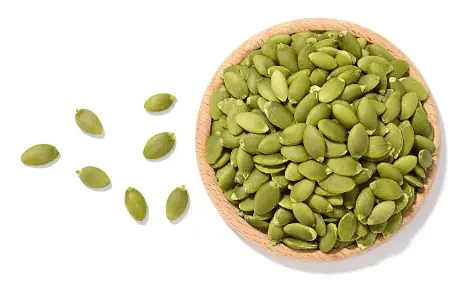
Pumpkin seed protein is a plant-derived protein extracted from pumpkin seeds. Naturally, pumpkin seeds contain protein, fats, dietary fiber, and minerals such as magnesium, zinc, and iron.
1. A Range of Essential Amino Acids
Pumpkin seed protein contains various essential amino acids, including leucine, isoleucine, and valine. However, it may be relatively low in certain amino acids like lysine and threonine. Consequently, it is often combined with other sources—such as pea or rice protein—in plant-based formulations to achieve a more balanced overall amino acid profile.
2. Nutritional Characteristics
While pumpkin seeds are inherently rich in minerals and unsaturated fatty acids, the specific extraction and defatting processes used can influence the retention of these components in the final protein powder. Therefore, when sourcing this ingredient, it is essential to refer to the product’s specific nutritional analysis report. 3. Differentiation
Compared to traditional legume-based proteins, pumpkin seed protein offers a distinct source and unique flavor profile. It can be used to develop diverse plant-based protein formulations, meeting the demand from brands for specialized plant-based protein ingredients.
III. How Does Processing Affect the Quality of Pumpkin Seed Protein?
The quality of pumpkin seed protein depends not only on the raw material itself but also, significantly, on the production and processing methods employed.
First, the selection and pre-treatment of raw materials influence the stability of the final product. Factors such as the pumpkin seed variety, storage conditions, and the freshness of the raw material are critical considerations.
Second, defatting and protein extraction are key stages in the production process. Different processing techniques will affect protein content, residual fat levels, color, and flavor.
Furthermore, protein content is not the sole metric for assessing product quality. For manufacturers of food products and nutritional supplements, other important factors include:
- Protein content and amino acid composition;
- Moisture, ash, and fat content;
- Powder particle size, color, and odor;
- Solubility and dispersibility;
- Microbiological and heavy metal specifications.
IV. Key Application Areas for Pumpkin Seed Protein
As the plant-based protein market continues to diversify, pumpkin seed protein shows potential for application across various food and nutritional sectors.
1. Plant-Based Protein Powders
Pumpkin seed protein can be used on its own or blended with other proteins—such as pea or rice protein—to develop plant-based protein powders tailored for specific market segments.
 2. Sports Nutrition
It can be incorporated into plant-based protein drinks, sports nutrition powders, and protein bars, offering an additional ingredient option for non-dairy protein products.
3. Beverages and Meal Replacements
It is suitable for use in nutritional shakes, meal-replacement powders, and plant-based protein drinks. During product development, it is essential to carefully evaluate its flavor, dispersibility, and processing stability.
4. Functional Foods
Pumpkin seed protein can also be combined with grains, nuts, and other plant-based ingredients to create high-protein snacks, nutritional bars, and similar products. V. Plant-Based Protein Market: Future Development Trends
In the future, competition within the plant-based protein market will extend beyond mere protein content; greater emphasis will be placed on the diversity of raw materials, nutritional composition, and the overall product experience.
On one hand, emerging plant-based protein sources—such as pumpkin seeds, sunflower seeds, and fava beans—will further broaden the range of options available in the market. On the other hand, blending different protein sources to optimize amino acid profiles and enhance processing performance will become a key focus in product formulation and development.
Simultaneously, factors such as raw material quality control, production processes, and testing standards will become critical considerations for brands when selecting suppliers.
Conclusion
Pumpkin seed protein offers a new raw material option for the plant-based protein market, showing significant development potential in areas such as plant-based protein powders, sports nutrition, meal replacements, and functional foods.
YTBIO specializes in the supply of plant-based proteins, botanical extracts, and ingredients for nutritional supplements. We also provide comprehensive OEM/ODM customization services, ranging from raw materials to finished products. If you are interested in pumpkin seed protein ingredients or related OEM/ODM customization services, please feel free to contact us; we will respond within 24 hours.
Tel:86-029-86478251 / 86-029-86119593
Whatsapp:8617782577059
Email:sales@sxytorganic.com