Purple Yam Powder vs. Regular Yam Powder: What Are the Differences in Characteristics, Nutrition, and Applications?
In the market for natural plant-based ingredients and functional foods, yam powder has garnered attention due to its starch content, mild flavor, and versatility in food applications. Among these, purple yam powder/ube powder—distinguished by its unique purple appearance and natural plant pigments—has increasingly become a preferred ingredient for developing fruit and vegetable powders, nutritional products, and specialty food items.
What exactly distinguishes purple yam powder from the more common white or regular yam powder? For food brands, product developers, and ingredient procurement professionals, what factors should be considered when making a choice?
I. Varietal Differences
The most immediate difference between purple yam powder and regular yam powder lies in the specific variety of the raw material and its natural coloration.
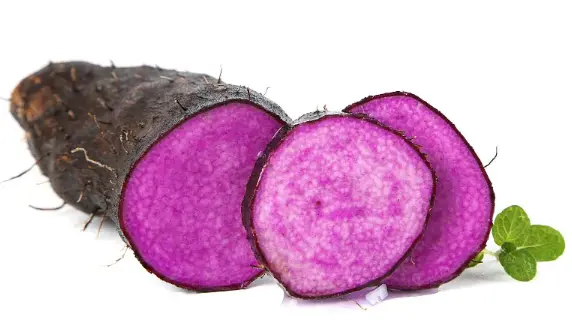
Purple Yam Powder: Produced from the tubers of purple yams, this powder typically ranges in color from purple to purplish-brown, owing to the presence of natural pigments such as anthocyanins. Factors such as the specific variety, cultivation conditions, and processing methods can influence the final product’s color, flavor, and nutritional composition.
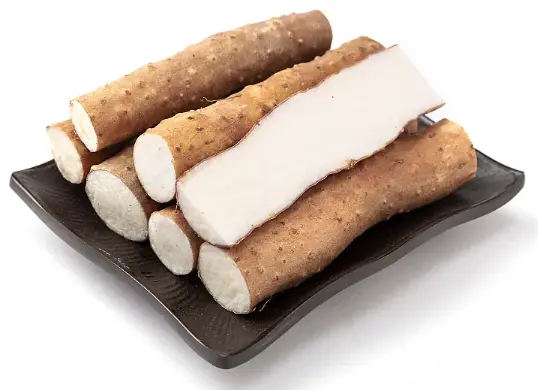
Regular Yam Powder (Yam Powder / Chinese Yam Powder): Typically derived from yams with white or pale-yellow flesh, the resulting powder is usually white, off-white, or light yellow, with a relatively mild, starchy aroma. Since this category may encompass various yam varieties, it is advisable to verify the specific botanical source during procurement.
 |
 |
II. Appearance and Nutritional Composition
The primary hallmark of purple yam powder is its natural purple hue. This color—linked to compounds like anthocyanins—offers distinct value in food formulation.
In contrast, regular yam powder features a light color, making it better suited for applications where the original color of the product must be maintained or where a neutral-colored base is required.
Both types of powder contain starch, dietary fiber, and other plant-derived components; however, the exact concentrations vary based on factors such as the variety, the maturity of the raw material, drying temperatures, and processing techniques.
It is important to note that while purple yam powder possesses a more vibrant color, this does not necessarily mean that its overall nutritional profile is superior to that of regular yam powder. If product development requires the standardization of anthocyanin content, nutritional markers, or specific constituents, rely on actual analytical data rather than judging solely by color.
III. Applications: What types of products are suitable for purple yam powder versus regular yam powder?
|
Application Area |
Purple Yam Powder/ube powder |
Regular Yam Powder |
|
Solid Beverages & Instant Powders |
Suitable for developing plant-based powder products with purple visual characteristics |
Suitable for cereal flavors, daily instant drinks, and light-colored formulas |
|
Baking & Pastries |
Can be used in cakes, cookies, bread, and specialty pastry formulas |
Suitable for traditional foods such as steamed buns, wheat-based foods, and pastries |
|
Cereal & Breakfast Foods |
Can be used in mixed cereal powders, instant breakfast powders, and specialty cereal products |
Can be used in cereal powders, porridge ingredients, and composite instant foods |
|
Plant-Based Foods |
Can serve as a specialty ingredient in plant-based powder blend formulas |
Can serve as a basic plant-based powder ingredient for blending |
|
Specialty Food Development |
Suitable for product concepts emphasizing a natural purple appearance |
Suitable for product concepts emphasizing the characteristics of traditional yam ingredients |
Please note that the final performance in an application depends on factors such as the inclusion rate, particle size, moisture content, processing conditions, and other ingredients in the formulation.
If a stable purple color is required for the product, it is also essential to evaluate how processing temperatures, the pH level of the formulation, and storage conditions may affect the color.
IV. Selection: What criteria should be considered when sourcing purple yam powder?
For food manufacturers, brands, and ingredient distributors, selecting ube powder should go beyond just color or price; it requires evaluating specifications against the specific requirements of the end product.
1. Raw Material Source: Verify the botanical variety, origin, and processing methods to ensure clear, traceable product information.
2. Processing Technology: Understand the drying and milling methods used, and assess how these affect flavor, color, and suitability for your specific application.
3. Physicochemical Specifications: Focus on moisture content, particle size, microbiological standards, and other relevant quality requirements based on your formulation needs. If specific active compounds are involved, confirm the testing methods used and the actual analytical results.
4. Sensory Properties and Batch Consistency: Conduct sample testing for color, aroma, fineness, and performance to minimize the impact of batch-to-batch variation on the appearance and texture of the finished product.
5. Supply and Customization Capabilities: For brands with long-term production needs, evaluate the supplier’s quality control systems, sample support, batch-to-batch consistency, and capacity for customized solutions.
V. Purple Yam Powder: Value in Application
Compared to light-colored yam powder, purple yam powder makes it easier to achieve a striking visual appearance. It is well-suited for use in purple plant-based powders, instant cereal mixes, baked goods, and blended plant-based ingredient formulations. For brands looking to develop differentiated products, it serves not merely as a plant-based ingredient, but as a key element for visual design and formulation innovation.
Are you looking for a reliable supplier of purple yam powder?
Whether you are developing solid beverages, baked goods, cereal blends, or other plant-based food formulations, our team can help you identify the purple yam powder best suited to your specific application requirements. We also offer organic purple yam powder. Please contact YTBIO to obtain product specifications, discuss your procurement needs, or request samples for evaluation.
Tel:86-029-86478251 / 86-029-86119593
Whatsapp:8617782577059
Email:sales@sxytorganic.com