Spinach Powder vs. Fresh Spinach: Nutritional Differences, Advantages, and Food Industry Applications
Spinach is a common leafy green vegetable in our daily diet and a valuable plant-based ingredient in the food industry. With the expanding application of fruit and vegetable powders in food processing, spinach powder, with its ease of storage, transportation, and formulation, is attracting increasing attention from food manufacturers.
So, what are the differences between spinach powder and fresh spinach? How should food manufacturers choose?
 |
 |
I. What Are The Differences Between Spinach Powder And Fresh Spinach?
1. Storage and Transportation
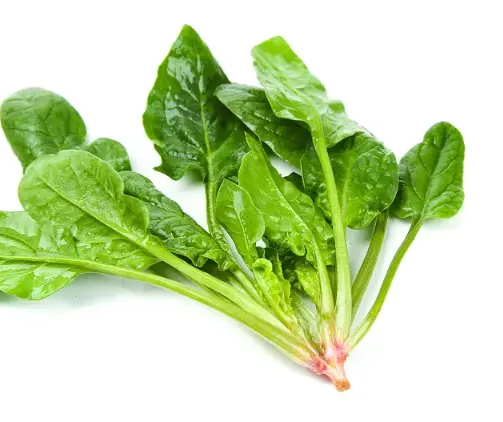
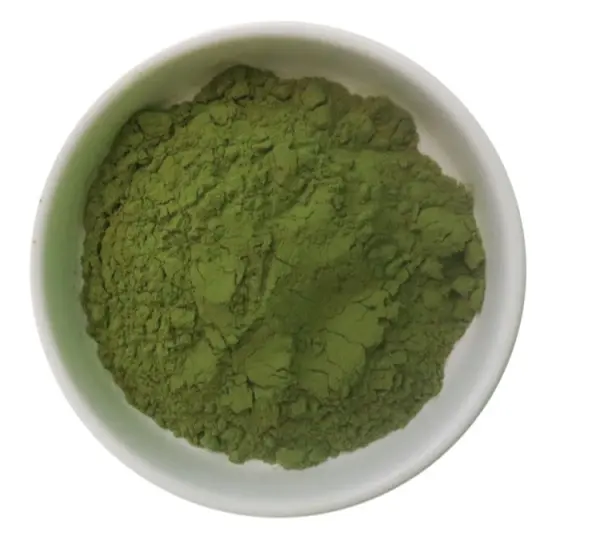
Fresh spinach has a high water content and is easily affected by storage temperature and transportation conditions, usually requiring refrigeration. Spinach powder, after drying, has a lower moisture content and, provided it meets packaging and storage requirements, is generally easier to store at room temperature, transport, and purchase in bulk.
2. Nutritional Components
Fresh spinach contains vitamins, minerals, and dietary fiber. Spinach powder can also retain some nutrients, but the specific content depends on the raw materials, processing technology, and storage conditions.
For example, vitamin C is sensitive to heat and oxidation, and drying may cause some loss. Therefore, it cannot be simply assumed that spinach powder retains all the nutrients of fresh spinach.
3. Taste and Application
Fresh spinach has natural moisture and leaf texture, making it suitable for salads and everyday cooking. Spinach powder, on the other hand, is better suited for addition to dry powder formulations, reducing the introduction of additional moisture while bringing spinach flavor and green color to food.
In summary, the two have different functions and cannot be simply substituted for each other.
II. Applications of Spinach Powder in the Food Industry
Spinach powder is not only a vegetable powder raw material but can also be used in the development of various food formulations.
Pasta and Baking: Can be used in noodles, pasta, dumpling wrappers, bread, and other products to add green color and spinach flavor to the formulation.
Solid Beverages and Compound Fruit and Vegetable Powders: Can be used in green beverage powders, mixed vegetable powders, and other powder formulations.
Frozen Desserts and Confectionery: Can be used as a spinach-derived coloring agent in suitable formulations.
Seasonings and Compound Foods: Can be used in sauces, soup bases, and seasoning powders.
It should be noted that spinach powder may contain some plant solids and fiber and may not be completely soluble in water. Manufacturers should select appropriate raw materials based on the color, flavor, texture, and dispersibility requirements of the end product.
III. How to Choose Spinach Powder?
For food factories, raw material importers, and brand development teams, the following aspects should be considered when purchasing spinach powder:
Product Specifications: Understand particle size, moisture content, color, odor, and other key indicators.
Processing Technology: Confirm the use of hot air drying, freeze drying, spray drying, or other processes, and determine their suitability for the target application.
Quality Documents: Review the product specification sheet, Certificate of Authorization (COA), and applicable testing data for microorganisms, pesticide residues, and heavy metals.
Application Suitability: Evaluate the flavor, color, and processing performance of the spinach powder in actual formulations through sample testing.
Purchasing Requirements: Confirm packaging, storage conditions, organic certification applicability, and bulk supply arrangements based on target market and supply chain needs.
Conclusion
Fresh spinach and spinach powder each have their advantages. Fresh spinach is suitable for everyday diets and scenarios where the original texture of the vegetable needs to be preserved; spinach powder has practical value in storage, transportation, formulation development, and large-scale food production.
For food manufacturers, the key to selection is not which is better, but which better aligns with product positioning, processing requirements, and quality standards.
YTBIO provides B2B clients with services related to plant-based ingredients and food formulation development. For product specifications, samples, or bulk purchasing information regarding spinach powder, please contact us.
Tel:86-029-86478251 / 86-029-86119593
Whatsapp:8617782577059
Email:sales@sxytorganic.com