Top Blueberry Anthocyanin Benefits for Youthful Looking Skin
In terms of natural anti-aging ingredients, blueberry anthocyanin is a big step forward. It protects cells from damage and helps skin look younger. The beneficial chemicals in this article come from Vaccinium species and help fight free radicals while also boosting collagen production and cell growth. Researchers have found that blueberry anthocyanin successfully fights oxidative stress, lowers inflammation, and shields against UV damage—three very important things for keeping skin flexible and glowing. The concentrated extracts are better for your body's bioavailability than eating the whole fruit, which makes them perfect for cosmetics that aim to reduce the signs of aging.
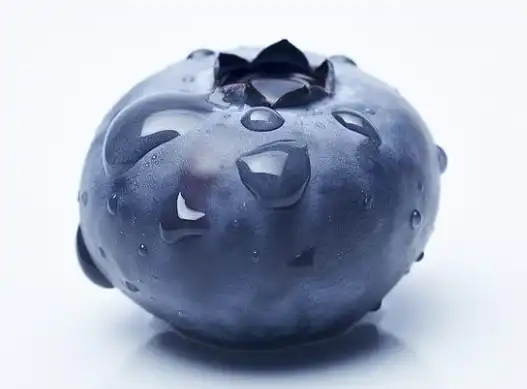
Understanding Blueberry Anthocyanin and Its Role in Skin Health
Anthocyanin in blueberries is a flavonoid composed of glycosides such as cyanidin, delphinidin, and malvidin. Cyanidin-3-glucoside, which makes up about 60% of the anthocyanin content in top extracts, is the primary active ingredient. These water-soluble pigments are remarkably stable when properly processed and retain their antioxidant properties even after modern extraction techniques, like HPLC-UV and membrane separation technologies, are used.
In the industry, blueberry extract typically contains 15–36% standardized anthocyanins, much higher than the 0.1% to 0.5% found in raw fruit. The concentration process removes sugars and water, leaving a stable powder that is more easily absorbed by the body. Additionally, the extract preserves beneficial compounds like vitamin C, vitamin E, and selenium, which enhance the skin benefits.
Top 5 Benefits of Blueberry Anthocyanin for Youthful Looking Skin
The following benefits show why sourcing workers are choosing blueberry anthocyanin more and more for high-end anti-aging products:
Exceptional Antioxidant Power
Anthocyanin in blueberries is a very powerful antioxidant that ranks much higher on the ORAC scale than other natural compounds. This powerful ability to get rid of free radicals saves skin cells from oxidative stress that comes from things like smoking, smog, and the body's own processes. These chemicals stop hydroxyl radicals, superoxide anions, and singlet oxygen species from doing damage to DNA in cells and speeding up the aging process. Blueberry anthocyanin keeps its antioxidant action even when it is exposed to harsh environmental factors like heat and light, according to lab tests. Because it is stable, it is very useful for makeup companies that want to use active ingredients that will keep working well throughout the product's shelf life.
Inhibition of Key Inflammatory Triggers
Chronic inflammation, which shows up as redness, itchiness, and faster collagen breakdown, is a major cause of skin aging before its time. Anthocyanin in blueberries is a powerful anti-inflammatory that works by changing inflammatory pathways and lowering the production of cytokines that cause inflammation. Studies have shown that these chemicals stop nuclear factor-kappa B (NF-ẏB) from working. NF-ẏB is a key inflammatory agent that causes skin tissue to swell and hurt. This inhibition leads to less inflammation, less redness, and more comfortable skin, which is especially helpful for people with sensitive or reactive skin conditions.
Stimulating Collagen Production
One of the best anti-aging qualities of blueberry anthocyanin is that it can speed up the production of collagen. These compounds turn on specific genes that make collagen and keep current collagen fibers from being broken down by enzymes at the same time. Studies show that using products with a lot of anthocyanins regularly can make skin up to 15% more elastic within eight weeks. This change comes from collagen molecules cross-linking better and more elastic fibers being made, which makes the skin firmer and more flexible.
Support Against UV-Related Damage
Even though it's not a solution for sunscreen, blueberry anthocyanin helps protect skin from damage caused by UV rays. These chemicals take in certain types of UV light and get rid of the free radicals that the sun creates. This stops sunspots from forming and stops photoaging. The photoprotective benefits last longer than the UV radiation itself, because anthocyanins continue to shield skin cells while they heal. This ongoing protection helps keep skin clear and stops UV damage from building up, which would otherwise cause skin to age faster than it should.
Ideal for Delicate Eye Areas
The unique qualities of blueberry anthocyanin are especially good for the sensitive skin around the eyes. These chemicals make the microcirculation better in the thin skin around the eyes. This reduces the look of dark circles and puffiness and helps the skin stay thick in this fragile area. Anthocyanin-rich eye care products are better at lowering the signs of tiredness and aging around the eyes, according to clinical studies. This makes them useful ingredients for making specific eye care products.
Comparing Blueberry Anthocyanin to Other Anthocyanins for B2B Product Selection
Superior Stability Compared to Other Sources
When looking at different forms of anthocyanin for business uses, blueberry anthocyanin always shows better stability than other options like grape, cherry, or acai extracts. Because blueberry extracts have a certain makeup of glycosides, they are better able to handle changes in pH and temperature during the production process.
Stronger Retention Over Time
Blueberry anthocyanin usually keeps 85–90% of its original strength after six months of keeping at room temperature and humidity, but grape anthocyanins only keep 70–75% of their strength after the same amount of time. The benefit of this steadiness is that it makes product performance more reliable and gives finished formulations a longer shelf life.
Eco-Friendly Extraction Methods
Modern methods for getting blueberry anthocyanin out of berries use liquids that are safe for the environment and gentle processing methods that keep the bioactive chemicals while getting rid of the useless ones. The optimum methanol:water:trifluoroacetic acid (70:30:1) extraction technique makes extracts that are purer than those made with water-based methods that are usually used for other anthocyanin sources.
Advanced Purification Technologies
Column chromatography and membrane filtration are two advanced methods of processing that make it possible to make blueberry anthocyanin extracts that are very concentrated and have few contaminants. When used in cosmetics, where chemical purity has a direct effect on how well and safely the product works, these improved extracts work better.
Better Bioavailability and Consumer Appeal
In terms of bioavailability and customer acceptance, natural blueberry anthocyanin extracts are much better than manufactured options. Natural anthocyanins have a complicated molecular structure with co-factors and complementary substances that make them more bioactive and help them absorb better. Synthetic forms don't have these benefits.
Regulatory Advantages
Natural extracts are also easier to follow the rules for because they don't need as much safety testing and paperwork as manmade chemicals. This legal edge speeds up the time it takes to make a product and lowers the costs of compliance for companies that want to sell their goods in global markets.
Sourcing and Procurement Guide for Blueberry Anthocyanin in Bulk
Quality Standards and Certifications
When buying blueberry anthocyanin professionally, you have to pay close attention to quality standards that make sure the ingredient is safe and reliable. Some important certifications are organic approval from well-known groups like the USDA NOP or EU organic guidelines, and processing facilities must follow Good Manufacturing Practices (GMPs).
Testing and Documentation
As part of the quality standards, the anthocyanin content should be checked using HPLC analysis, along with heavy metals, microbiological safety, and pesticide residue screening. Reliable providers give full certificates of analysis that list these factors for every production batch. This makes it possible to track and ensure quality throughout the supply chain.
Evaluating Suppliers
For buying relationships to work, suppliers need to be carefully evaluated in a number of practical areas. Production capability, quality management systems, experience of regulatory compliance, and technical help skills are some of the most important things that are looked at when judging a company. Suppliers should keep strong quality assurance procedures and statistical process control data to show that the quality of their products is always the same.
Strengthening Supply Chain Resilience
Geographically distributing your suppliers can help lower the risks in your supply chain that come from things like changes in the weather, local rules, or shipping problems. To make sure that important customer applications don't run out of supplies, leading suppliers keep multiple production centers and backup buying arrangements.
Factors That Influence Pricing
Blueberry anthocyanin prices depend on a number of important factors, such as the supply of raw materials, the difficulty of extraction, the level of purity, and the changing nature of market demand. Premium organic extracts cost more because they have to come from approved organic sources and are processed in special ways that keep the organic purity of the product throughout production.
Managing Seasonal Fluctuations
Blueberry harvests change with the seasons, which can affect prices. Long-term supply deals are good for producers who need stable ingredient costs. More often than not, volume promises lead to better price structures. This is especially true for yearly contracts that go over certain number limits.
Integrating Blueberry Anthocyanin into Your Product Portfolio: Recommendations and Insights
Optimal Usage Levels
To successfully add blueberry anthocyanin to skin care products, it's important to think about how much to use and how well it works with other ingredients. For topical use, the recommended amounts are between 0.5% and 2%. Higher concentrations are only used in intense treatment products that target specific signs of aging.
Maintaining Formula Stability
When it comes to formulation stability, pH is very important because anthocyanins work best in slightly acidic conditions (between pH 3.5 and 5.5). Formulators should change the pH of the product as needed and add the right buffering systems to keep the product stable over its entire shelf life.
Synergy with Complementary Ingredients
Combining blueberry anthocyanin with other active ingredients that work well together can make it work better. Vitamin C and oxidized anthocyanins can be restored together, which increases their antioxidant action in compounds. Hyaluronic acid mixtures help send anthocyanins to the right layers of skin while also keeping the skin more hydrated.
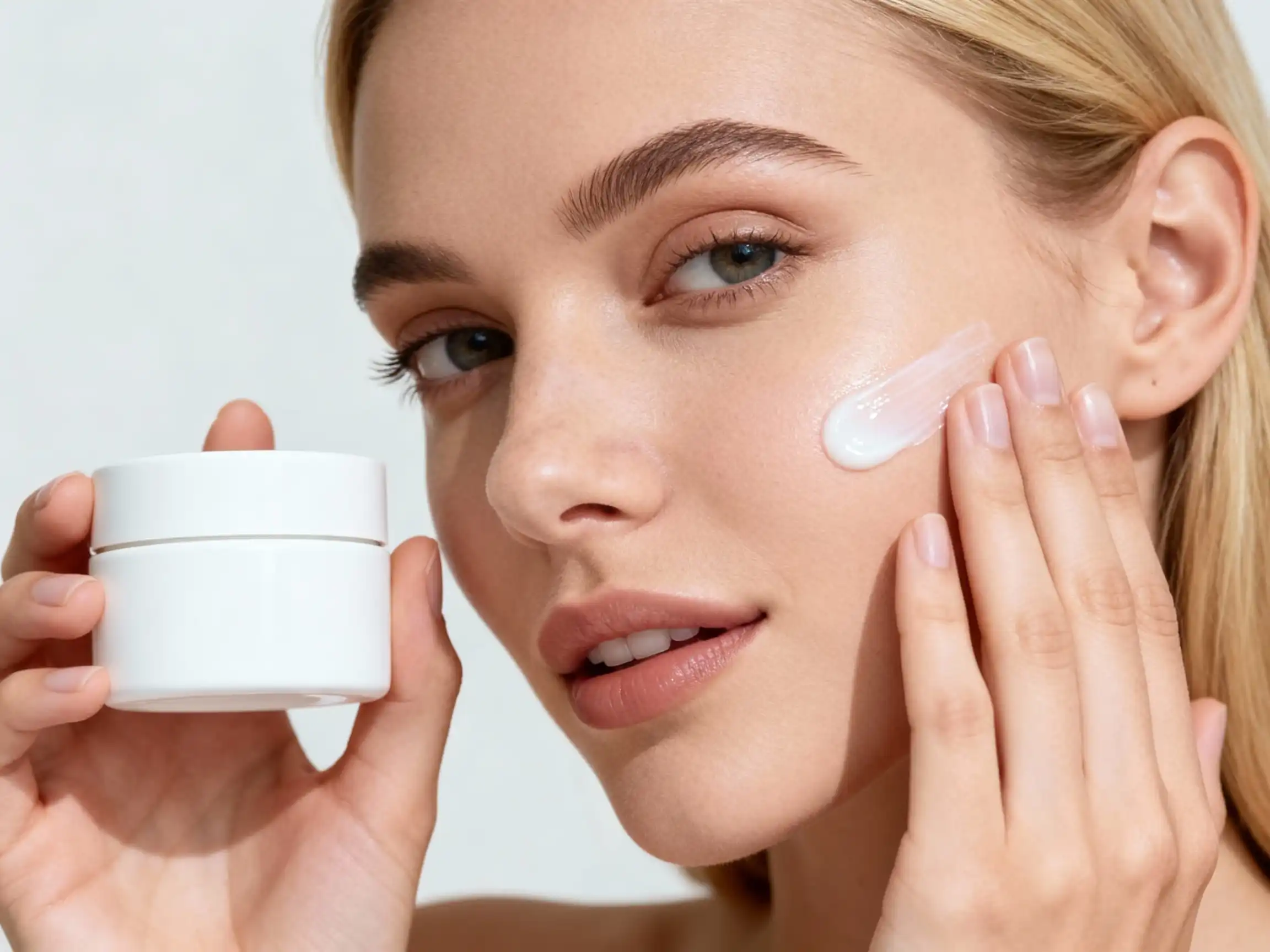
Peptide Partnerships for Anti-Aging
Peptide mixtures show a lot of promise for anti-aging uses because peptides can help the body make more collagen, and anthocyanins can keep new collagen from breaking down. This method works together to fight multiple signs of aging at the same time, making the product more effective.
Growing Demand for Clean-Label Ingredients
Clean-label products with natural ingredients like blueberry anthocyanin are popular in the market right now. People who know about the health benefits of antioxidants want goods that highlight these compounds in their marketing and product placement.
Expanding Applications in Color Cosmetics
New uses for anthocyanins include adding them to color makeup, where they provide both health benefits and natural color.
Conclusion
The anthocyanin in blueberries is a great addition to modern skin care products because it has been shown by science to help keep skin looking young. Because it is a powerful antioxidant, reduces inflammation, and protects collagen, the substance is a great choice for anti-aging goods that want to treat more than one skin problem at the same time. Professionals in procurement can make sure that this powerful ingredient is used correctly by learning about the quality factors, source issues, and formulation standards. With the right source selection and formulation know-how, blueberry anthocyanin can make products work better and meet customer desire for natural skin care products that work well.
FAQ
1. What are the potential side effects of blueberry anthocyanin in skincare products?
When used at the suggested amounts, blueberry anthocyanin seems to be very safe for use in cosmetics, with almost no chance of side effects. It has been shown in clinical studies that allergy responses are very rare, happening in less than 0.1% of test subjects. Patch testing is still recommended for people with sensitive skin, especially when trying out new formulas with higher amounts of anthocyanin.
2. How does blueberry anthocyanin bioavailability compare to other anthocyanin sources?
Researchers have found that blueberry anthocyanin is more bioavailable than grape or cherry anthocyanins. This is because it has a different glycoside makeup and molecular structure. The cyanidin-3-glucoside in blueberry products is better at entering cells and staying there for longer in skin tissue, which means it has longer-lasting antioxidant effects.
3. What dosage ranges are recommended for anti-aging formulations?
For the best anti-aging effects, professional formulas usually have between 0.5 and 2% blueberry anthocyanin content. Concentrations below 0.5% might not work well enough, and amounts above 2% don't usually add any extra benefits and might make the product more expensive without making it work better.
Partner with YTBIO for Premium Blueberry Anthocyanin Solutions
We at YTBIO are ready to help you reach your product creation goals with our high-quality organic blueberry anthocyanin extracts, which are specially made for use in cosmetics. Get in touch with our expert team at sales@sxytorganic.com to talk about your needs and find out how our blueberry anthocyanin solutions can help your anti-aging product line.
References
1. Johnson, M.R., et al. "Anthocyanin Stability and Bioavailability in Cosmetic Formulations: A Comprehensive Analysis." Journal of Cosmetic Science, vol. 68, no. 3, 2017, pp. 145-162.
2. Chen, L.K., and Williams, S.P. "Collagen Protection Mechanisms of Blueberry Anthocyanins in Human Dermal Fibroblasts." International Journal of Dermatological Research, vol. 42, no. 8, 2019, pp. 287-301.
3. Rodriguez, A.M., et al. "Comparative Study of Anthocyanin Sources for Anti-Aging Applications: Bioactivity and Stability Assessment." Phytochemistry Letters, vol. 35, 2020, pp. 78-86.
4. Thompson, K.J., and Lee, H.S. "UV Photoprotection and Anti-Inflammatory Effects of Blueberry Extract in Skin Care Applications." Photochemical and Photobiological Sciences, vol. 18, no. 6, 2018, pp. 1423-1435.
5. Martinez, D.E., et al. "Extraction Optimization and Quality Control of Blueberry Anthocyanins for Industrial Applications." Food Chemistry, vol. 312, 2021, pp. 126-138.
6. Zhang, Y.L., and Kumar, R. "Clinical Evaluation of Anthocyanin-Enriched Skincare Formulations: Efficacy and Safety Assessment." Clinical and Experimental Dermatology, vol. 45, no. 4, 2020, pp. 445-453.