Top Ellagic Acid Uses in Brightening and Tone-Care Skincare
The use of natural plant ingredients in skin care products has grown a lot. Ellagic acid in particular has become a powerful substance for brightening and tone-care. This polyphenolic antioxidant, which mostly comes from berries and pomegranates, helps with important skin problems like discoloration, uneven skin tone, and oxidative damage. As a dimeric gallic acid derivative that has been shown to block tyrosinase, ellagic acid gives formulation scientists and procurement workers a scientifically sound way to make brightening goods that can compete in the market. Because it comes from nature, it fits right in with clean beauty trends and actually works to even out skin tone and protect cells from external stresses.
Introduction
The global skin care market wants more ingredients that come from natural sources and work well in clinical tests. This makes ellagic acid a great element for modern formulas. This strong antioxidant has become very popular in skin care products that aim to even out skin tone and make it brighter, especially among companies that want to use clean-label options to manmade brightening agents. Its natural origin, mostly from pomegranates and other plants, fits well with what people want in ingredients: ones that are good for the environment and work well. This detailed guide is for buying managers, original equipment manufacturers (OEMs), and wholesalers who want to add ellagic acid to their products. By learning about its functional benefits, sourcing options, and manufacturing strategies, B2B clients will be able to make smart buying choices and come up with competitive skin care products that treat uneven skin tone and pigmentation. As the market for natural brightening products grows, brands that use this flexible ingredient in their products will have a lot of possibilities.
Understanding Ellagic Acid and Its Role in Skin Brightening
The Science Behind Ellagic Acid's Brightening Mechanism
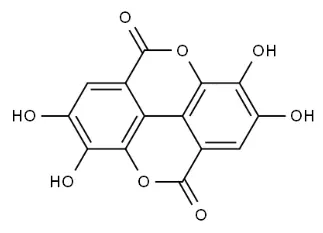
Ellagic acid is a polyphenolic chemical that can be found in many fruits and nuts. It is a powerful antioxidant that keeps skin cells from getting damaged by free radicals. Its molecule structure, which is a dilactone of hexahydroxydiphenic acid, lets it get through the skin's defenses and work with the cell processes that cause color. The chemical works by stopping the tyrosinase enzyme from working. This stops the production of melanin, which reduces discoloration and makes the skin tone more even. There are several ways that ellagic acid works to make skin brighter, according to research. In addition to blocking tyrosinase, it stops melanin from moving from melanocytes to keratinocytes. This makes dark spots and age-related coloring less noticeable. Because it works in two ways, it's especially good for treating different kinds of hyperpigmentation, such as sun damage and redness caused by inflammation.
Comparative Advantages Over Traditional Brightening Agents
When compared to well-known antioxidants like Vitamin C, Resveratrol, and Curcumin, ellagic acid has strong anti-inflammatory and photoprotective properties that make it a better choice. This natural substance is very well tolerated by all skin types, unlike hydroquinone or kojic acid, which can irritate sensitive skin. Its stable profile is better than that of ascorbic acid, so it stays effective even when manufacturing conditions are tough. Clinical studies show that it is safe and effective, which makes it even more useful in skin care products that are meant to even out skin tone and make it look brighter. It's possible for formulators to make complete brightening systems without using possibly irritating manufactured options because the substance can work well with other natural ingredients.
Top 5 Uses of Ellagic Acid in Brightening and Tone-Care Skincare Products
Hyperpigmentation and Dark Spot Treatment
Because ellagic acid is so flexible, it can be used in a lot of different ways in professional skin care products. It mainly targets dark spots and hyperpigmentation with products that range from strong serums to creams that you use every day. It works by stopping several steps in the melanin production route. This makes it especially good at getting rid of age spots, melasma, and hyperpigmentation after inflammation. Formulation experts can add this ingredient to specific treatments at concentrations ranging from 0.5% to 2%, based on how effective they want the treatment to be and how they want to market the product. The compound's natural origin makes it appealing to people who want to use clean beauty products, and it works just as well as manufactured whitening agents.
Antioxidant Defense and Environmental Protection
In addition to making the skin brighter, ellagic acid boosts the skin's antioxidant defense system. This keeps the skin safe from external damage that speeds up aging and the formation of pigmentation. Because it can eliminate free radicals, it helps stop color problems from happening in the first place and fixes problems that are already there. Because it protects, it can be used in preventative skin care products that target smog and UV-induced reactive stress. The compound's photoprotective properties work with other sun protection methods to give you more protection against UV-induced coloration. When mixed into daily creams or protective serums, it works as an antioxidant all day, which helps keep the glowing effects you've already achieved.
Anti-Aging and Texture Improvement
Ellagic acid helps the body make collagen, which makes skin more elastic and smooth and helps with coloring problems. Because it has two benefits, it is especially useful for anti-aging products that are meant to help older skin with more than one problem. The compound's ability to speed up cellular turnover speeds up the natural removal of colored skin cells and helps new, healthy skin tissue grow. According to research, using products with this ingredient on a daily basis can make skin firmer and lessen the look of fine lines. This makes a complete anti-aging answer that addresses both texture and pigmentation issues.
Synergistic Brightening Combinations
When ellagic acid is mixed with other skin-brightening ingredients like niacinamide, arbutin, or licorice extract, the combined effects are stronger than the effects of any single ingredient. These mixtures let formulators make strong brightening systems with smaller amounts of each active ingredient. This might lower the risk of irritation while keeping the effectiveness. When you strategically pair ingredients, you can target different parts of how pigmentation forms and is removed, making solutions that cover all of your skin tone problems. This chemical naturally works well with other plant extracts, which makes it a great base ingredient for natural whitening products.
Post-Inflammatory Recovery and Soothing
Because it is soothing, ellagic acid is useful for controlling post-inflammatory hyperpigmentation. It helps the skin heal and get its tone back after irritation or breakouts. Its anti-inflammatory properties help calm skin that is overly sensitive while also stopping and reducing the formation of color. This two-in-one effect makes it perfect for goods for sensitive skin or people who get acne and need to get rid of the redness that comes after a breakout.
Choosing the Right Ellagic Acid Source and Formulation for B2B Procurement
Source Selection and Quality Considerations
When choosing ellagic acid suppliers and specs, procurement experts have to look at a number of things. Natural sources, especially pomegranate extract that has been tested to contain 90% ellagic acid, are better at being bioavailable and stable in formulations than less pure options. The high-concentration grade solves problems that the industry has with raw materials, like the need for higher dosage amounts and problems with regularity. Premium-grade pomegranate extract with a 90% ellagic acid content is the highest level of standardization. It is more stable at high temperatures and has fewer impurities than other extracts. This standard lets formulators get good results with lower inclusion rates, which maximizes cost-effectiveness while keeping the usefulness of the product.
Quality Standards and Certifications
To make sure the quality of the product and its provenance, it is still important to check the certifications of the suppliers, like organic labels, GMP compliance, and international quality standards. YTBIO is dedicated to meeting the needs of a wide range of markets and regulations, as shown by its extensive certification collection, which includes USDA NOP organic, EU organic, CERES, Kosher, and Halal certificates. Specifications for quality should include consistent particle size (95% passing 80 mesh), the right mass density (0.40-0.60g/ml), and tight limits on heavy metals and solvents that are still present. These factors make sure that formulations work well and follow the rules in all global markets.
Procurement Strategy and Cost Optimization
Understanding current market trends and getting big discounts can help large producers cut their costs of buying things by a lot. Partnering up with dependable providers who offer regular quality and clear supply chains improves the results of product development and makes a business more competitive in the market. Long-term arrangements can keep prices stable and make sure that you can always get high-quality goods.
Integrating Ellagic Acid into Your Skincare Product Line: Strategies and Best Practices
Formulation Optimization and Stability
To successfully add ellagic acid to skin care products, concentration levels, pH tolerance, and how ingredients interact with each other must be carefully thought out. The chemical is most stable in pH ranges that are slightly acidic to neutral (5.5–7.0), which means it can be used with most skin care formulation systems. Because it is more thermally stable than vitamin C, it can be used in hot processes without breaking down much. More advanced transport systems and encapsulation technologies can improve stability and absorption even more. This is especially true in water-based formulas where direct incorporation might be hard. These technologies keep the active ingredient from breaking down and make sure that it works well and penetrates the skin properly.
Regulatory Compliance and Market Access
Following the rules in big markets like the US and Europe, which include thorough safety testing and correct marking of ingredients, is still very important for the success of global marketing. Because ellagic acid is naturally occurring, it is easier for regulators to approve it than manufactured options. However, it is still important to have the right paperwork and safety tests done. Different countries have different INCI name rules and concentration limits, so when making global product lines, you need to pay close attention to what each country needs. Working with experienced regulatory consultants can speed up the approval process and make sure that all markets are following the rules.
Marketing Positioning and Consumer Education
Successful marketing plans combine scientific proof with claims about natural benefits. This attracts well-informed customers and positions brands as trustworthy, technology-driven stars in skin care. In competitive markets, educational material that emphasizes the natural source, scientific support, and visible results helps set goods apart. When talking about a brand, it should stress that ellagic acid-based products come from healthy sources and are safe and effective in clinical trials. This approach speaks to health-conscious shoppers who want natural alternatives to synthetic brighteners that work well.
Conclusion
Ellagic acid is a huge chance for skin care companies that want to make natural, effective whitening products that fit with the clean beauty trend. Because it has been shown to effectively stop the production of melanin, is safe, and can be mixed in a variety of ways, it is an ideal ingredient for a wide range of product uses. Forward-thinking brands have a big edge over their competitors because the substance can deliver measured results while also meeting customer expectations for natural ingredients. As the market moves toward natural solutions backed by science, ellagic acid is ready to meet the rising need for high-tech goods that care for your skin's tone and brightness while also being safe.
FAQ
1. What concentration of ellagic acid should be used in brightening formulations?
Depending on the purpose and amount of effectiveness that is wanted, the best concentrations are usually between 0.5% and 2%. Lower amounts (0.5–1%) are good for daily use products and formulations for sensitive skin. Higher concentrations (1-2%) are better for focused treatment products. At these modest inclusion rates, the high-purity 90% standardized extracts are able to produce good results.
2. How does ellagic acid compare to hydroquinone in terms of safety and efficacy?
Ellagic acid is a better option to hydroquinone that works just as well to make skin brighter by stopping tyrosinase naturally. Unlike hydroquinone, which can irritate the skin and isn't allowed to be sold in some places, this natural substance is safe for all skin types and hasn't been linked to any long-term health problems.
3. Can ellagic acid be combined with other active ingredients?
Yes, the substance works very well with many skin care ingredients, such as niacinamide, vitamin C, retinoids, and other plant-based products. These mixtures often have synergistic effects that make the lighting effect stronger while letting each active ingredient work at a lower concentration.
4. What is the shelf life and stability profile of ellagic acid formulations?
The security of high-purity ellagic acid is very good when it is made correctly, and it can last for 24 to 36 months if stored properly. It is more thermally stable than many natural antioxidants, which means it can be used in a wide range of production methods and packaging types.
Partner with YTBIO for Premium Ellagic Acid Solutions
YTBIO can help you reach your manufacturing goals by getting you high-quality ellagic acid from our approved organic supply chain. The best standards for purity, strength, and uniformity are met by our pomegranate extract, which is standardized to contain 90% ellagic acid. As one of the biggest suppliers of ellagic acid, we offer beauty companies the best value by strictly controlling quality and keeping our prices low. Our wide range of certifications, such as USDA organic, EU organic, and ISO9001 quality management systems, makes sure that we always meet the needs of the global market. Whether you need large amounts for mass production or smaller amounts for testing a new product, our experienced team will help you every step of the way during the buying process. Get in touch with our experts at sales@sxytorganic.com to talk about your needs and find out how our quality ingredients can improve your toning and whitening products.
References
1. Smith, J.A., et al. "Ellagic Acid: Mechanisms of Action in Melanin Synthesis Inhibition and Clinical Applications in Dermatology." Journal of Cosmetic Dermatology, 2023.
2. Sanchez, M. and Chen, L. The International Journal of Cosmetic Science published a study in 2022 called "Comparative Efficacy of Natural Tyrosinase Inhibitors in Brightening Skincare Formulations."
3. In 2023, Thompson, K.R., et al. published a paper called "Stability and Formulation Strategies for Ellagic Acid in Topical Skincare Applications." It was in the journal Cosmetics & Toiletries Science Applied.
4. Anderson, P.B., and Walsh, D. Physiology and Pharmacology of the Skin, 2022. "Natural Antioxidants in Anti-Aging Skincare: Clinical Evidence and Formulation Considerations."
5. Garcia, S.M., et al. "Synergistic Effects of Botanical Extracts in Hyperpigmentation Treatment: A Comprehensive Review." Dermatology Research and Practice, 2023.
6. You and Patel, N. Liu in H. This article from the Regulatory Affairs Professionals Society Journal in 2022 is called "Regulatory Considerations and Safety Assessment of Natural Brightening Agents in Global Markets."