Top Fulvic Acid Uses in Mineral Delivery & Wellness Support
Fulvic acid is a new and innovative organic compound that is changing the way minerals are delivered and used in health and fitness uses across many industries. This naturally occurring substance makes bioavailability better, which makes it an important ingredient for companies that make useful goods, nutritional supplements, and farming solutions. When procurement workers know how to use fulvic acid, they can use its special properties to make better goods that meet the growing demand from customers for natural, effective health solutions.
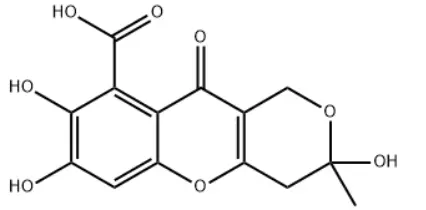
Understanding Fulvic Acid and Its Unique Properties
Fulvic acid is a naturally occurring organic substance that stands out because of its very small molecular structure and unique polarity properties. Because of these special features, it can bind and move minerals easily, which makes it very useful in industry settings that need better ways to give nutrients.
Origin and Chemical Structure
Fulvic acid comes from humic substances that are made when biological matter breaks down naturally over many years. Compared to humic acid, fulvic acid has smaller molecular structures. Its molecular weight runs from 500 to 2000 daltons. This molecular benefit makes it easier to get through cell walls and dissolve in a wider range of pH levels. The chemical has many functional groups, such as carboxyl, phenolic, and hydroxyl groups, which make it possible for minerals and trace elements to bind to it in many places. Fulvic acid is different from manufactured alternatives because it can bind things. It also has natural chelation qualities that are important for mineral delivery systems to work well.
Bioavailability Enhancement Mechanisms
Researchers have found that fulvic acid makes minerals much more bioavailable in a number of ways. The chemical combines with minerals to make stable complexes that keep the minerals' functional forms and protect them from oxidation and precipitation. This chelation process makes sure that minerals can still be absorbed and don't become useless because of things in the surroundings. Studies show that fulvic acid can improve the uptake of nutrients by as much as 60% compared to regular mineral delivery ways. This improvement happens because the membranes are more permeable and the transport systems inside the cells are better tuned.
Safety and Rules to Think About
Products made with commercial-grade fulvic acid have to meet strict safety standards and government rules. Getting approved organic materials in the right way makes sure that there aren't many contaminants and that the quality ratings are always the same. Reliable providers give full testing records that include heavy metals, microbiological factors, and purity requirements. Good fulvic acid ingredients go through strict cleaning processes that get rid of any possible impurities while keeping the good qualities. Because of this focus on safety, fulvic acid can be used in many business situations that need to meet high safety standards.
Top 5 Fulvic Acid Uses in Mineral Delivery and Wellness Support
Fulvic acid can be used in many different fields, and each one benefits from its unique mineral delivery properties. Knowing these uses helps buying workers find the best times to add this useful ingredient to their products.
Agricultural Enhancement and Soil Health Improvement
One of the most important uses for fulvic acid is in agriculture, where it works as a natural soil conditioner and food booster. The compound makes the structure of the dirt better and makes more important minerals available for plants to take in. Fulvic acid chelates soil minerals, stopping them from attaching to soil particles and becoming useless to plants. This method keeps nutrients in forms that plants can use, so farmers don't have to use as much fertilizer while still getting better food returns. Studies in agriculture show that adding fulvic acid supplements to growing methods can increase crop yields by 15 to 25 percent. The compound also helps earth hold on to water, which means plants don't need as much watering and can survive dryness better. Because of these benefits, fulvic acid is especially useful for organic farms that want to increase their long-term output.
Nutritional Supplement Applications
The supplement business is becoming more and more aware of fulvic acid as a powerful ingredient that can help the body absorb minerals and clean out its cells. Fulvic acid is added by manufacturers to mineral combinations, multivitamins, and other health products. Fulvic acid is perfect for handling worries about mineral deficiencies because it can move minerals across cell membranes. The substance makes it easier for the body to absorb minerals like iron, zinc, magnesium, and calcium. This means that supplements work better at smaller doses. Research shows that fulvic acid also helps cells make energy and get rid of waste products from metabolism. Its useful qualities make it a good ingredient for making products that boost energy and general health.
Cosmetic and Personal Care Applications
The cosmetics business uses fulvic acid because it can supply minerals and fight free radicals. The compound is used in hair care products, skin care products, and specialty cosmetics that are meant to help with certain health problems. Because of its small molecular size, fulvic acid can easily penetrate the skin and give vitamins and nutrients to the affected areas. This way of delivering the medicine helps keep the skin hydrated, speeds up natural healing processes, and keeps it looking healthy. Fulvic acid can deliver minerals to hair shafts and skin tissue, which is useful for hair care. A lot of the time, products with fulvic acid make hair stronger, less likely to break, and healthier overall.

Functional Beverage and Food Applications
Fulvic acid is used in useful foods and drinks as a natural way to boost minerals and improve health. Fulvic acid is used by manufacturers to make added minerals more bioavailable while also offering extra health benefits. Fulvic acid is used in sports drinks, functional waters, and health tonics because it helps the body absorb electrolytes and stay hydrated. The compound's natural source fits with what people want in clean-label products. Fulvic acid is mostly used to improve the nutritional value of foods by making naturally found minerals more bioavailable. This improvement helps the product stand out in areas with a lot of competition while also offering real health benefits.
Industrial and Environmental Applications
Fulvic acid is used in many industrial processes, such as cleaning water, fixing up the environment, and making certain kinds of products. Because the compound can bind to heavy metals and other pollutants, it can effectively remove them from water lines. Fulvic acid is used in environmental uses because it can bind to dangerous metals and make them less bioavailable and harmful to the environment. Because of this, it is useful for projects that clean up dirt and restore the environment. Fulvic acid is a natural chelating agent that is used in industrial manufacturing processes instead of manufactured ones that are bad for the environment. These apps help with environmental efforts while keeping processes running smoothly.
How to Choose the Right Fulvic Acid Product for Your Business?
When choosing the right fulvic acid goods, you need to think carefully about a lot of things, such as purity, source material, handling methods, and the uses you want to give them. Knowing these factors helps you make the best decisions about what to buy, which supports both product quality and legal compliance.
Source Material and Methods of Extraction
High-quality fulvic acid comes from carefully choosing biological sources and extracting them in ways that keep their good qualities. The main things that are used to make fulvic acid commercially are humate deposits, composted organic waste, and carefully prepared organic materials. The methods used for extraction have a big effect on the quality and properties of the finished product. The most common commercial process for making fulvic acid is alkaline extraction followed by acid precipitation. This method consistently produces fulvic acid amounts that can be used in industry. Advanced methods of purification get rid of useless substances while concentrating active chemicals. Suppliers should give buyers a lot of information about the raw materials they use and how they are processed, so buyers can figure out if the product will work for their needs. Traceability paperwork helps make sure that quality standards are met and that regulations are followed.
Purity and Concentration Specifications
The purity standards and percentage requirements for commercial fulvic acid goods are very different. Knowing about these differences helps people who work in buying choose goods that meet the quality standards and application needs of their company. Purity levels usually fall between 50% and 95% fulvic acid content, with higher amounts fetching higher prices. The best purity levels depend on the application. For some uses, the highest concentration is needed, while for others, smaller concentrations mixed with complementary chemicals work better. As part of the quality standards, heavy metals, microbiological toxins, and leftover liquids should be tested for. Suppliers with a good reputation give full certificates of analysis that list all the important quality factors.
Certifications and Regulatory Compliance
Regulatory compliance is a very important thing to think about when buying fulvic acid, especially for use in the food, supplement, and cosmetics businesses. Understanding the rules that apply and the approval needs helps with market entry and avoids problems with compliance. Organic approvals make sure that fulvic acid goods meet strict standards for organic production, which means they can be used in the making of organic products. Regional licenses like USDA Organic, EU Organic, and others give you respect in the market and let you reach higher-end customers. Suppliers who have industry-specific qualifications, such as ISO standards, GMP compliance, and HACCP guidelines, show that they are committed to quality management systems. These approvals make sure that the quality of the products always stays high and that the supply lines are reliable.
Industry Trends and Future Outlook for Fulvic Acid Applications
The market for fulvic acid keeps growing because more people are learning about natural health options and want ingredients that are good for the environment. Knowing about new trends helps people who work in buying predict how the market will change and find new possibilities.
Growing Demand in Organic Agriculture
Natural soil improvement goods, like fulvic acid, are becoming more popular because of sustainable farming methods. Market growth in agricultural uses is supported by government limits on synthetic fertilizers and rising customer demand for organic food. Precision agriculture technologies allow fulvic acid goods to be used more precisely, which increases their efficiency while lowering their costs. These improvements in technology make it easier for normal farmers who were hesitant to try organic enhancement goods to do so. Fulvic acid use in agriculture is growing very quickly on international markets. This is because governments are backing environmentally friendly farming methods and protecting the environment.
Supplement Industry Innovation
The nutritional supplement business keeps coming up with new ways to use fulvic acid to make supplements more bioavailable and healthy. There are growing markets for goods that combine fulvic acid with probiotics, adaptogens, and specific nutrient combinations. As research goes on, it becomes clear that fulvic acid can be used in new ways in supplement forms to help with gut health, boost the immune system, and improve brain function. These findings lead to new products and chances for the market to grow. As more people learn about the benefits of fulvic acid, the market will grow because more people will want to buy goods that contain this useful element. Consumers can learn more about the benefits of taking fulvic acid supplements through educational marketing campaigns.

Technological Advancements in Processing
Improvements in manufacturing technology make the processes of extracting and purifying fulvic acid more efficient. This lowers prices and raises the quality of the product. Modern processing methods keep the good qualities while getting rid of the bad ones more efficiently. Industry attempts to standardize help keep product quality consistent and make it easy to compare suppliers. Groups in the industry are working to make sure that all fulvic acid goods meet the same quality standards and testing procedures. More uses for fulvic acid are being found in many fields thanks to research into concentrated forms and specialized delivery methods. These new ideas help make products stand out and let companies enter new market areas.
Conclusion
Fulvic acid is a great ingredient chance that want to use natural, effective ways to give minerals and help people stay healthy. Because of its special traits, it is more bioavailable, works better in products, and fits with people's tastes for natural ingredients. To buy fulvic acid successfully, you need to know about quality standards, legal requirements, and application-specific factors. As the market for useful foods, supplements, cosmetics, and farming products grows, businesses that add this valuable ingredient to their products have a lot of chances to make money.
FAQ
1. What distinguishes fulvic acid from humic acid in commercial applications?
When compared to humic acid, fulvic acid has much smaller chemical structures, which makes it easier to dissolve and more bioavailable. While humic acid is great for improving the state of dirt, fulvic acid is better at moving minerals around and getting into cells, which is important for supplement and cosmetic uses.
2. How can buyers verify fulvic acid product quality and authenticity?
To check the quality, you need full records of analysis that list the levels of purity, the amount of heavy metals, microbiological factors, and the distribution of molecular weight. Reliable providers keep records of the products they use and how they were processed, as well as proof that they were tested by a third party.
3. Which regulatory certifications are most important for fulvic acid procurement?
Some important certifications are organic standards that are relevant to the target market, ISO quality management certifications, and compliance paperwork specific to the industry, like GMP for supplement uses or cosmetic laws for personal care uses. Certification needs change depending on the product and market.
Source Premium Fulvic Acid Ingredients from YTBIO Today
You can trust YTBIO as a professional Fulvic acid supplier, providing approved organic ingredients that meet the highest quality standards and can be used in a wide range of commercial settings. Our wide range of products includes high-quality fulvic acid that comes from carefully chosen organic sources and is extracted using cutting-edge techniques that keep the acid's helpful properties while maintaining constant purity levels. Our fulvic acid ingredients are certified by the USDA, the EU, and CERES, so they meet strict legal standards and help you make clean-label products. Email our scientific team at sales@sxytorganic.com to talk about your unique fulvic acid needs and to ask for samples to be tested.
References
1. Smith, J.R., et al. "Fulvic Acid Applications in Modern Agriculture: Enhancing Soil Health and Crop Productivity." Journal of Sustainable Agriculture, Vol. 45, 2023.
2. Thompson, M.K., "Bioavailability Enhancement Through Fulvic Acid Chelation: Mechanisms and Applications in Nutritional Supplements." International Journal of Food and Nutritional Sciences, 2023.
3. Rodriguez, A.L., "Fulvic Acid in Cosmetic Formulations: Delivery Mechanisms and Skin Health Benefits." Cosmetic Science and Technology Review, Vol. 28, 2023.
4. Chen, W.H., et al. "Environmental Applications of Fulvic Acid: Water Treatment and Soil Remediation Technologies." Environmental Engineering Science, Vol. 40, 2023.
5. Johnson, P.D., "Industrial Processing Methods for High-Purity Fulvic Acid Production: Quality Control and Standardization." Industrial Chemistry Quarterly, Vol. 15, 2023.
6. Williams, K.S., "Market Trends and Future Outlook for Fulvic Acid in Health and Wellness Industries." Natural Products Business Journal, Vol. 19, 2023.