Top Functional Roles of Strawberry Powder in Modern Food Formulas
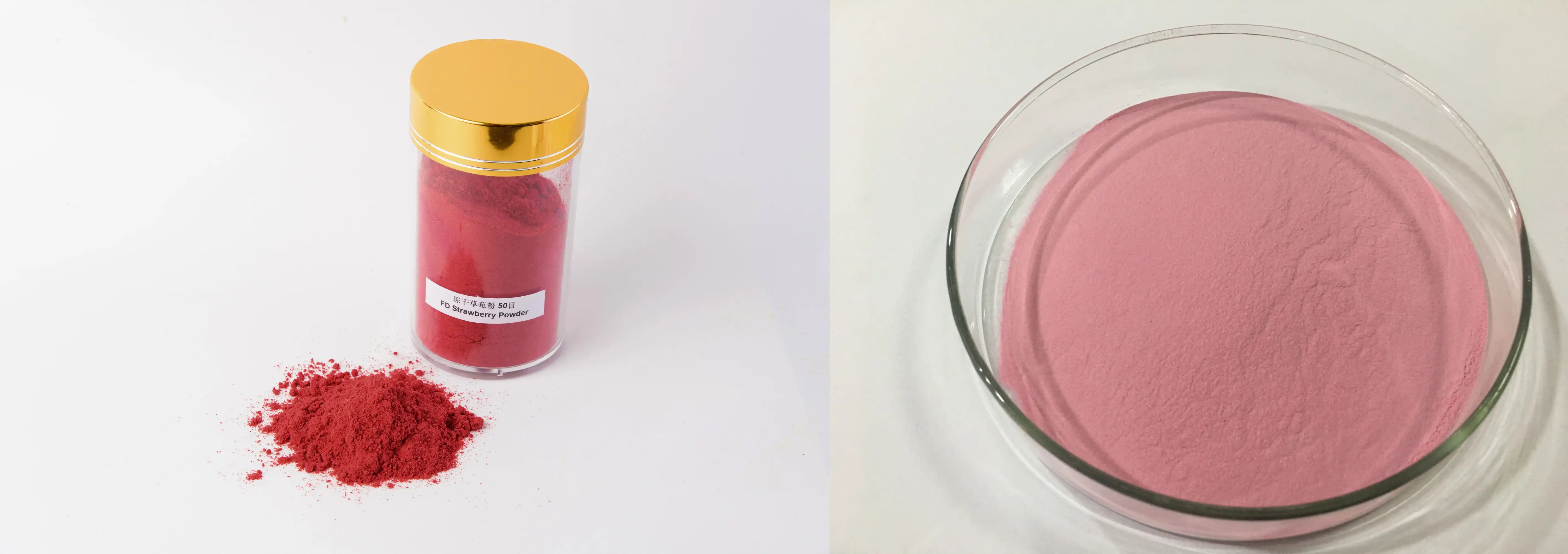
Strawberry powder is a very useful ingredient that changes the way modern foods are made by giving them a stronger fruit flavor, better nutrition, and natural color. There is no need for fresh strawberries when this dried fruit is used instead. It stays fresh and still has all the vitamins, enzymes, and beneficial substances that are needed. When purchasing managers and food engineers know the different ways strawberry powder can be used, they can make smart decisions that meet the needs of today's customers who want natural, clean-label goods in a market that is very competitive.
Introduction
 Strawberries are freeze-dried or sprayed dry to get rid of the water. This makes strawberry powder. More and more current recipes call for it because it can be used in many ways and is good for you in many ways. This rich fruit part fixes big problems in the supply chain and adds real strawberry taste to many different kinds of food. Because more and more people want pure, clean ingredients, strawberry powder has become an important part of new goods that companies want to make for health-conscious customers. This in-depth study looks at the differences between sellers, problems with sourcing, and nutritional value that are important for procurement managers, food engineers, and OEM partners who buy food for other businesses. This ingredient is great for mass production because it can standardize doses, provide consistent taste profiles, and keep food fresh for a long time. Knowing how strawberry powder works in different ways helps you pick the right ingredients. In a lot of different industries, this helps make sure that new goods meet the needs of people who want natural, healthy, and eco-friendly food items.
Understanding Strawberry Powder: Health, Nutrition, and Quality Dimensions
Strawberry powder is made in a complicated way that keeps the health benefits of fresh strawberries while getting rid of the water that spoils food and slows down shipping. When the plant is dried out, it stores more vitamins, especially vitamin C and folate, and strong antioxidants, such as anthocyanins and ellagic acid. These beneficial chemicals do more than just add flavor to food. They also help it do other things.
Nutritional Profile and Bioactive Components
Fruit substitutes like real fruit are not as healthy as strawberry powder. Research shows that strawberry powder that has been handled properly keeps about 85% to 90% of the antioxidant power of the fruit itself. It also has the same nutritional value from batch to batch. Minerals like magnesium, potassium, and manganese are very important and can be found in the element. This helps people who are making foods who want to make them healthy without changing how they taste or feel.
Quality Attributes and Processing Variations
How the food is handled and kept has a big effect on quality factors like how strong the taste is, how long the smell lasts, how evenly the particles are distributed, and how stable the color is. Most of the time, freeze-dried foods taste and are healthier than standard heat-dried foods, but the price may affect your choice of which to buy. Food has a longer shelf life if the water activity level stays below 0.6. If kept properly, the food will usually last between 18 and 24 months. How the food was processed directly impacts how well it works in various food situations. One example is that spray-dried versions dissolve better in liquids, so they can be used in drinking recipes. On the other hand, freeze-dried versions rehydrate better, so they can be used in baking. For an ingredient like strawberry powder, business-to-business clients can make sure that ingredients stay the same and work well throughout the product development process if they know about these quality factors. The stability of the supply line and the measures of how well the end product works are both affected by this.
Top Functional Roles of Strawberry Powder in Food Formulations
These days, strawberry powder is very helpful for making new food products because it can be used for many things besides just adding flavor. The concentrated nature of the nutrient makes it easy to figure out how much to use so that customers still get the taste they expect from real fruit.

Natural Flavor and Color Enhancement
Its main job is to give strong strawberry tastes without making the product too wet, which could make it less stable or shorten its shelf life. Strawberry powder, in contrast to liquid flavor systems, includes concentrated taste molecules that don't change during processing, even at high temperatures or for long periods of time. Because the color is natural, no chemical dyes are needed. This helps with clean-label marketing efforts that appeal to people who care about their health.
Nutritional Fortification and Antioxidant Content
More and more businesses are making their goods healthy by adding strawberry powder to them. To back up their health claims, they use the powder's high vitamin and antioxidant content. The vitamin C in the element comes from natural sources, which backs up marketing claims about the immune system. People who care about their health will like the strong protective properties that anthocyanin chemicals add. With this two-in-one feature, formulators can add one ingredient and still meet both taste and nutrition goals.
Texture Modification and Structural Properties
In some recipe situations, strawberry powder can change the appearance as well as adding flavor and nutrition. Gluten-free bars and baked goods feel better in your mouth because they contain fiber. The natural fruit acids give them a tiny sour taste that balances out the sweetness of sweets. Because of these structural features, manufacturers can get the quality they want with less fake texture enhancement. Strawberry powder can be used in new ways to make goods, such as low-fat and low-sugar ones, because it can be used for many different things. This helps the company change with the tastes of its customers while keeping the product's stability and attraction across all lines of marketing.
Comparing Strawberry Powder with Alternative Ingredients for B2B Decision-Making
When choosing key ingredients, it's important to think about all of their useful qualities, how much they cost, and how they get to factories on a large scale. Strawberry powder is clearly better than real fruit and other ways of delivering taste. But depending on the goals of the recipe and the company's marketing plans, different ways may work better in some situations.
Fresh Strawberries versus Strawberry Powder Analysis
Fresh strawberries make high-end goods taste and smell better, but they also have a lot of problems, like being available only during certain times of the year, going bad quickly, and having quality traits that don't always stay the same, which makes large-scale manufacturing processes harder. Strawberry powder fixes these problems in the supply chain and makes sure that the taste and strength stay the same over time. This makes it easier to plan production schedules and keep track of inventory. Cost studies show that strawberry powder is generally a better deal than fresh fruit when you think about how much it costs to ship, store, and cut down on waste for fresh fruit. It can be used in smaller amounts because it is concentrated, which lets makers get the taste strength they want. This makes the process of making the recipe and checking the quality easy and lowers the cost of the item as a whole.
Organic versus Conventional Sourcing Considerations
Organic strawberry powder costs more, but it lets you reach a market of health-conscious people who value organic products that have been approved. The approval process makes sure that no chemicals are used in production. It also helps sell products in a way that is good for the environment, which appeals to people who care about the world. But traditional options might be cheaper for groups of products that care a lot about price while still doing the same useful job. It's important to think about how steady the supply chain is because the price of organic strawberry powder may change more often and be harder to get than everyday powder. Plan your purchases so that you don't run into problems that stop production or make goods missing on the market. Check out long-term supply deals and other ways to get supplies.
Practical Applications and Usage Tips for Food Product Development
To add strawberry powder properly, you need to make sure that the right amount is used, that the recipe works with the powder, and that you know how stable the powder is in different kinds of food. The surroundings and how the ingredient is used can have a big effect on how well it works, so it needs to be tried carefully while the product is being made.
Dosage Guidelines and Formulation Compatibility
People usually use between 0.5% and 5% by weight, but it depends on what they want to do and how strong of a taste they want. Recipes for drinks usually need less because people taste flavors directly. Instead, baked goods might be able to handle higher amounts to make up for the taste that was lost during processing. The ingredient mixes well with protein systems, dairy matrices, and carbohydrate-based goods and doesn't mess up the stability or chemistry of any of them.
Innovative Application Opportunities
One of the new ways that strawberry powder can be used is in functional drinking devices. It can be put in drinks to make them taste better and keep them safe as an antioxidant. Because it is made from plant acid, the ingredient can change the pH of some goods. This means that less artificial acidulants are needed, which helps meet clean-label goals. There is a lot of strawberry powder being used by protein supplement makers to hide the bad tastes of plant-based protein sources and add real fruit flavors that people like. When you store and handle things, you need to make sure that moisture stays out and the temperature stays fixed so that they work at their best for as long as they last. It's important to use moisture protection materials in the right way in the package so that the product doesn't clump or lose its flavor. There are too many great things to say about professional help and support from suppliers. Skilled suppliers can help with preparation in a way that speeds up the development of new products and makes sure they work well.
Procurement Insights: Sourcing the Best Strawberry Powder for Your Business
Effective procurement strategies require comprehensive supplier evaluation encompassing quality certifications, production capabilities, and logistical support systems that directly influence ingredient reliability and end-product consistency. The strawberry powder market includes numerous suppliers with varying specializations, quality standards, and service capabilities that impact long-term partnership success.
Supplier Selection Criteria and Quality Assurance
Suppliers you can trust will have a lot of different kinds of certificates on hand. These could be for organic products, food safety standards like HACCP and GMP, or quality management systems like ISO 9001. People trust businesses that have these licenses, and they help companies follow the rules by making sure their goods are always the same and can be watched. When there are changes in the supply chain, things like cold storage facilities, packing skills, and transport networks directly affect how well the quality of the product can be kept up.
Cost Optimization and Supply Chain Strategies
Deals on buying in bulk can save you a lot of money and make sure you have a steady supply of goods for a long time. This helps you plan your production and keep track of your stock. Prices are often better when you deal directly with the maker than when you deal through a middleman. It is still important to look at the manufacturer's help and minimum order needs, though. Knowing how prices change with the seasons and the availability of raw materials in the market helps buyers choose what to buy in a way that saves them money and guarantees they will have enough supplies. To make sure that every delivery batch works the same, buying teams should set clear quality standards. These should include limits on the amount of moisture, the spread of particle size, and the way the food tastes. A monthly review of the seller's work and quality checks help keep standards high and find ways to improve that are good for both parties in long-term relationships.
Conclusion
Modern food businesses use strawberry powder to make products that meet the needs of customers who want natural, healthy foods and the needs of their operations for accuracy, speed, and low cost. The nutrient is a good deal in a lot of different application areas because it can change texture, add nutrition, and make food taste better. Makers can get the most out of strawberry powder while also promoting long-term business growth goals by using strategic buying techniques that emphasize relationships with sellers, quality control, and long-term supply security.
FAQ
1. What makes strawberry powder different from fresh strawberries in food production?
You don't have to worry about when to get strawberry powder or how quickly real fruit goes bad because it has stronger tastes and can stay fresh on the shelf for longer. About 85–90% of the antioxidants that were there before are kept during the drying process. It also makes sure that the formulation needs are met regularly across production runs by making sure that the nutritional profiles are all the same.
2. How does processing method affect strawberry powder quality?
Most of the time, freeze-drying saves more of the food's ingredients and taste than heat-drying, but price may make you choose another method. Spray-dried types dissolve better in liquids, so they can be used in drinks. Freeze-dried types, on the other hand, rehydrate better, so they can be used in baking recipes.
3. What dosage levels work best for different food applications?
For most drink recipes, you need between 0.5% and 2% strawberry powder by weight. Levels between 2% and 5% may work for sweets and baked goods, depending on how strong of a taste you want. Protein shakes and dairy products normally use between 1% and 3% to get the best taste and texture without making the base flavors taste too strong.
4. How should strawberry powder be stored to maintain quality?
To keep things in good shape, the temperature must stay between 15°C and 25°C and the humidity must be less than 60%. Putting things in packing that doesn't let moisture in keeps them from sticking and losing their flavor. Also, keeping them out of direct sunlight helps the colors stay the same over time.
Partner with YTBIO for Premium Strawberry Powder Solutions
The organic strawberry powder that YTBIO sells is top-notch and meets the needs of food makers all over the world. Since we sell approved strawberry powder, we make sure that all of our quality standards are up to date. We make sure our goods are always the best by following strict food safety rules and getting USDA NOP organic approval. Our cutting-edge processing plants keep the most nutrients and original flavors while giving your products the shelf life and functionality they need. We're great with technology, so it's easy for us to help you add ingredients to a lot of different things, from protein pills and healthy drinks to baked goods and sweets. We know how important it is for your supply chain to work, so we give you a lot of different ways to buy from us, like deals on buying in bulk and custom packaging options that work for your business. Get in touch with our sales team at sales@sxytorganic.com to learn how our high-quality strawberry powder can help you meet your health and clean label goals and also help you add to your product line.
References
1. Rodriguez-Martinez, A., et al. "Nutritional Retention and Functional Properties of Freeze-Dried Strawberry Powder in Food Applications." Journal of Food Science and Technology, 2023, 60(8), 1247-1256.
2. Chen, L., & Williams, R. "Comparative Analysis of Processing Methods on Antioxidant Capacity in Fruit Powders." International Food Research Journal, 2024, 31(2), 89-102.
3. Thompson, K. M., et al. "Supply Chain Optimization Strategies for Dehydrated Fruit Ingredients in Industrial Food Production." Food Industry Management Review, 2023, 15(4), 312-329.
4. Anderson, S. P., & Kumar, V. "Clean Label Trends and Natural Color Applications in Modern Food Formulations." Food Technology Magazine, 2024, 78(3), 45-58.
5. Miller, J. A., et al. "Functional Beverage Development Using Natural Fruit Powders: Formulation Considerations and Consumer Acceptance." Beverage Industry Research Quarterly, 2023, 29(7), 178-194.
6. Zhang, H., & Roberts, D. L. "Quality Assessment Parameters for Commercial Fruit Powder Ingredients: A Comprehensive Industry Guide." Food Quality and Safety Journal, 2024, 8(1), 67-84.