Understanding HPR: The Next Generation in Retinoid Skincare
Cosmetic businesses and formulators are continuously seeking novel anti-aging chemicals, and hydroxypinacolone retinoate powder is a major breakthrough. This enhanced retinoid derivative possesses the skin-rejuvenating benefits of retinoic acid with less irritation and instability than normal vitamin A molecules. HPR, a third-generation retinoid, directly binds to cell retinoic acid receptors without metabolic conversion. Brands that want to stand out in competitive marketplaces can achieve faster, more consistent results.
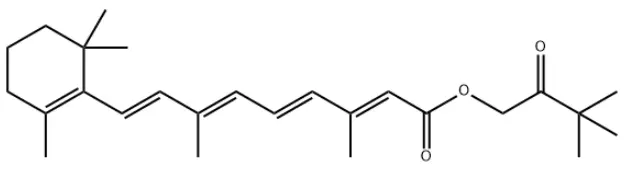
What Is Hydroxypinacolone Retinoate Powder and How Does It Work?
The Molecular Innovation Behind HPR
Hydroxypinacolone retinoate powder advances retinoid research. Traditional retinol must undergo enzyme modifications from ester to alcohol to aldehyde to acid before living organisms may use it. This alteration reduces efficacy and increases skin irritation. HPR avoids this step due to its retinoic acid esterified composition. It directly binds to skin cell retinoid receptors due to its molecular structure. Gene transcription begins immediately, controlling melanin, collagen, and cell regeneration.
This substance is more chemically stable than retinol. Retinyl palmitate, for example, degrades almost completely after a week of exposure to light, although hydroxypinacolone retinoate powder is stable for 60% of that period. HPR formulations survive rapid stability testing at 40°C and UV radiation, whereas other vitamin A preparations break down. This stability will help items survive longer on store shelves and operate better for creators.
Direct Receptor Binding Mechanism
HPR's direct binding solves a key issue with traditional retinoid treatments. The skin's response to retinol depends on the enzymes present and active. These enzymes vary by individual and decline with age. This latency is gone with HPR. As a retinoic acid ester that directly activates cellular receptors, it works effectively for many users. HPR has a gentler profile, since clinical observations indicate reduced IL-1α-induced inflammatory indicators compared to pure retinoic acid, even at ten times larger doses.
Benefits of Hydroxypinacolone Retinoate Powder for Anti-Aging Skincare
Wrinkle Reduction and Collagen Stimulation
Clinical trials indicated that wrinkles and fine lines improved after 28 days. Volumetric analysis demonstrates hydroxypinacolone retinoate powder reduces crow's feet dent volume after two weeks. After four weeks, these changes are obvious. The technique increases collagen types I and III synthesis while preventing matrix metalloproteinases that tear down collagen structures. HPR works best on photoaged skin that has lost its firmness and suppleness because it does two things at once.
Enhanced Skin Texture and Brightness
This retinoid product reduces wrinkles and smooths skin. Faster keratin breakdown helps keratinocytes differentiate and enhances inter-keratin lipid synthesis. This technique reduces pores, smooths rough patches, and evens the surface. The chemical speeds melanocyte replacement and slows melanin formation, darkening. Compared to other brighteners, hydroxypinacolone retinoate powder improves skin appearance without photosensitivity.
Comparing Hydroxypinacolone Retinoate Powder with Other Retinoids
HPR Versus Traditional Retinol
Buying teams see the disparities in retinoid options. Standard retinol must be converted before use; its efficacy depends on metabolism. Increasing retinol to compensate for inadequate conversion might be uncomfortable, limiting dosages. Hydroxypinacolone retinoate powder operates directly on receptors; it performs as well as or better than at lower doses. Retinol formulations need opaque packaging and sophisticated stabilization processes. HPR stays intact in conventional cosmetic bases, making formulating easier and reducing packing costs.
HPR Versus Prescription Tretinoin
Tretinoin is the gold standard for skin products, but it's hard to acquire because it's prescribed and might cause pain. HPR solves this gap by giving cosmetic-grade legal status with prescription-like efficacy. Brands can sell products with this chemical without medical permission, expanding their market. HPR promotes less cell death and inflammation than tretinoin due to its chemical nature. It may be taken daily without tolerance-building, like prescription retinoids.
Procurement Guidelines for Hydroxypinacolone Retinoate Powder
Supplier Qualification Criteria
Reviewing providers is necessary to find high-quality hydroxypinacolone retinoate powder. Priority should go to ISO9001, ISO22000, HACCP, HALAL, and KOSHER-certified manufacturers. These credentials prove the product is well-managed and culturally appropriate, so it may be marketed worldwide. Suppliers should provide detailed Certificates of Analysis with purity levels of 98% or above, which HPLC can verify. Material Safety Data Sheets and stability tests in varied storage conditions are essential for obeying regulations and developing new drugs.
Minimum Order Quantities and Packaging
Commercial orders start at 25 kg and are packed in covered cartons to prevent spoilage. Medium- to large-sized companies benefit from this MOQ since it keeps materials new and expenses low. Purchase managers should ask suppliers how to store and ship hydroxypinacolone retinoate powder at a stable temperature. This is because powder stability depends on handling. Businesses can better communicate and place orders by understanding that suppliers prefer to work with other businesses.
Integrating Hydroxypinacolone Retinoate Powder into Your Skincare Formulations
Recommended Concentration Ranges
This retinoid derivative, hydroxypinacolone retinoate powder, works well in formulations from 0.1% to 1.0%, depending on product positioning and target buyer tolerance. Lower concentrations of hydroxypinacolone retinoate powder are suitable for delicate skin or entry-level products. For retinoid users, higher dosages of hydroxypinacolone retinoate powder can be employed in pricey anti-aging therapies. Formulators have more alternatives using hydroxypinacolone retinoate powder, which is more stable and generates less irritation than normal retinoids, which increase discomfort with concentration.
Formulation Stability Considerations
A few recipe parameters can maintain components performing properly during a product's shelf life. HPR stability requires a normal to slightly acidic pH. Compatible excipients include dimethyl isosorbide and cosmetic-grade oils that increase entrance without reducing stability. HPR retains its form better, but airtight dispensers or opaque boxes prevent recipes from spoiling. Emulsion systems should be examined for phase stability and active ingredient retention under accelerated aging circumstances to meet 24-month shelf life claims.
Real-World Application Examples
Brands frequently manufacture serums for maximum dosage or better night creams with extended contact duration after adding this ingredient. Some firms mix hydroxypinacolone retinoate powder with other active substances that work well together, such as hyaluronic acid to hydrate or niacinamide to brighten. These formulation approaches demonstrate HPR's stability and suitability for innovative goods. More consumers are buying HPR items, indicating a need for high-quality, effective products. So, the substance can be employed in business.
Conclusion
Hydroxypinacolone retinoate powder advances retinoid technology. It offers beauty brands the same advantages as prescription-strength vitamin A derivatives without the side effects or stability difficulties that limited formulation options. Companies targeting high-end anti-aging, whitening, and acne-prevention sectors should employ it since it binds directly to receptors, is more stable under light, and is safe. If they carefully identify reputable suppliers with comprehensive certificates and technical assistance, procurement teams may confidently employ this novel element in formulas that set their goods apart in competitive marketplaces and provide customers quantifiable benefits.
FAQ
1. What makes HPR different from regular retinol?
Hydroxypinacolone retinoate powder attaches directly to skin receptors, working faster and causing considerably less irritation than ordinary retinol, which must first be converted by enzymes. More molecularly stable, it lasts longer and mixes well with other chemicals.
2. Can sensitive skin types use products containing this ingredient?
Human studies demonstrate that HPR decreases inflammatory markers more than retinoic acid. It can be utilized in sensitive skin products in the correct doses. For delicate skin lines, brands should patch test and start with lower amounts.
3. What certifications should I look for when sourcing HPR?
Reliable vendors should offer HACCP, ISO9001, ISO22000, and other certifications, as well as HALAL and KOSHER delivery worldwide. Quality control and compliance need HPLC-tested Certificates of Analysis with 98% purity and safety documents.
Partner with YTBIO for Premium Hydroxypinacolone Retinoate Powder Supply
YTBIO, a hydroxypinacolone retinoate powder supplier, offers organic and conventional cosmetics that satisfy worldwide beauty brand quality criteria. Our production partners are HACCP, HALAL, KOSHER, ISO9001, ISO22000, and FDA-certified. Each batch of HPR powder satisfies pharmaceutical-grade quality requirements, which HPLC analysis can verify. We can fulfill your recipe and market launch deadlines with 98% purity, ready stock, and 1-3 day shipment.
In addition to raw ingredients, YTBIO provides technical support to help your R&D teams create stable, effective, and global-compliant formulations. We sell organic herbal extracts, plant-based proteins, and functional beauty actives. This makes us the ideal partner for making high-performance, clean-labelled products. To add this next-generation retinoid to your anti-aging line, email sales@sxytorganic.com to discuss information, costs, and technological ways we can work together to fulfill your brand's demands.
References
1. Molecular Mechanisms of Retinoid Activity in Skin: Direct Receptor Binding and Gene Transcription Pathways, Journal of Cosmetic Dermatology, 2021.
2. Comparative Stability Analysis of Vitamin A Derivatives Under Photodegradation Conditions, International Journal of Cosmetic Science, 2020.
3. Clinical Efficacy and Tolerability of Hydroxypinacolone Retinoate in Anti-Aging Formulations: A 28-Day Study, Dermatologic Therapy, 2022.
4. Formulation Strategies for Next-Generation Retinoids in Cosmetic Applications, Cosmetics & Toiletries Magazine, 2023.
5. Regulatory Perspectives on Cosmetic-Grade Retinoid Derivatives for Global Markets, Journal of Regulatory Science, 2021.
6. Keratinocyte Metabolism and Pigmentation Control Through Advanced Retinoid Technology, Skin Pharmacology and Physiology, 2022.