What are the differences between Polydatin and Resveratrol?
In the realm of natural health supplements, Polydatin and Resveratrol have emerged as two compounds gaining significant attention for their potential health benefits. As a Polydatin supplier, I am often asked about the distinctions between these two substances. In this blog, I will delve into the key differences between Polydatin and Resveratrol, exploring their chemical structures, sources, bioavailability, and health effects.
 |
 |
Chemical Structures
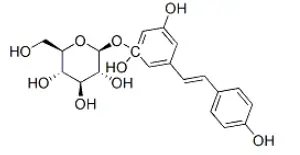
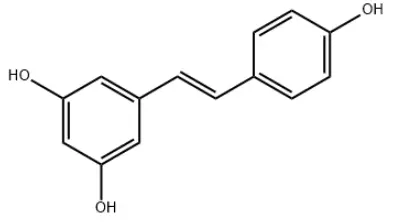
Polydatin and Resveratrol are closely related in terms of their chemical structures. Resveratrol is a non-flavonoid polyphenol with a stilbene structure, chemically known as 3,5,4'-trihydroxystilbene. It exists in two isomeric forms: cis and trans, with the trans - form being more biologically active.
Polydatin, on the other hand, is a glycoside of Resveratrol. It has a glucose molecule attached to the 3 -hydroxy group of the trans - Resveratrol molecule. This glucose attachment significantly alters its physical and chemical properties as well as its behavior in the body.
Sources
Resveratrol can be found in a variety of plants. One of the most well - known sources is grapes, especially the skins of red grapes. It is also present in red wine, which has been a subject of numerous studies due to the potential health benefits associated with moderate wine consumption. Other sources of Resveratrol include berries such as blueberries and cranberries, peanuts, and Japanese knotweed (Polygonum cuspidatum).
Polydatin is also abundant in Japanese knotweed. In fact, Japanese knotweed is one of the primary natural sources for the extraction of both Polydatin and Resveratrol. The plant contains high levels of Polydatin, which can be further converted into Resveratrol through enzymatic or chemical processes.
Bioavailability
One of the most critical differences between Polydatin and Resveratrol lies in their bioavailability. Bioavailability refers to the proportion of a substance that enters the circulation when introduced into the body and is able to have an active effect.
Resveratrol has relatively low bioavailability. When ingested orally, a large portion of Resveratrol is rapidly metabolized in the gut and liver through processes such as glucuronidation and sulfation. As a result, only a small fraction of the ingested Resveratrol reaches the systemic circulation in its active form.
Polydatin, due to its glycoside structure, has better bioavailability compared to Resveratrol. The glucose moiety in Polydatin protects it from rapid metabolism in the gut. It can be transported across the intestinal epithelium more efficiently, either through passive diffusion or by specific glucose transporters. Once in the body, Polydatin can be hydrolyzed to release Resveratrol, providing a more sustained and higher - level delivery of the active compound.
Health Effects
Both Polydatin and Resveratrol are believed to possess a wide range of health - promoting properties, but there may be some differences in their efficacy due to the bioavailability factor.
Antioxidant Activity
Both compounds are potent antioxidants. They can scavenge free radicals, which are unstable molecules that can cause oxidative damage to cells, proteins, and DNA. Oxidative stress is associated with various chronic diseases, including cancer, cardiovascular diseases, and neurodegenerative disorders.
Resveratrol has been extensively studied for its antioxidant effects. It can activate antioxidant enzymes such as superoxide dismutase (SOD), catalase, and glutathione peroxidase, which help to neutralize free radicals in the body.
Polydatin, with its better bioavailability, may be able to deliver more antioxidant power. It can also enhance the activity of antioxidant defense systems in cells, protecting them from oxidative damage more effectively.
Cardiovascular Health
Both Polydatin and Resveratrol have shown potential benefits for cardiovascular health. Resveratrol can help regulate lipid metabolism, reduce cholesterol levels, and inhibit platelet aggregation. It also has vasodilatory effects, which can improve blood flow and lower blood pressure.
Polydatin may have a more pronounced effect on cardiovascular health due to its higher bioavailability. It can protect the endothelial cells lining the blood vessels from oxidative stress and inflammation, which are key factors in the development of atherosclerosis. Additionally, Polydatin may help to maintain the integrity of the extracellular matrix in the blood vessels, contributing to better vascular function.
Anti - inflammatory Effects
Inflammation is a natural defense mechanism of the body, but chronic inflammation is linked to many diseases. Resveratrol can inhibit the production of pro - inflammatory cytokines such as interleukin - 6 (IL - 6) and tumor necrosis factor - alpha (TNF - α). It can also suppress the activation of nuclear factor kappa - B (NF - κB), a key regulator of inflammation.
Polydatin has similar anti - inflammatory properties. Its better absorption may allow it to reach the sites of inflammation more effectively and exert a stronger anti - inflammatory effect. By reducing inflammation, both compounds may help in the prevention and treatment of inflammatory diseases such as arthritis and inflammatory bowel diseases.
Anti - aging Effects
Resveratrol has been associated with anti - aging effects. It can activate sirtuins, a family of proteins involved in regulating cellular metabolism, DNA repair, and cell survival. Activation of sirtuins is believed to mimic the effects of calorie restriction, which has been shown to extend lifespan in various organisms.
Polydatin may also have anti - aging potential. Since it can be converted to Resveratrol in the body, it may indirectly activate sirtuins. Moreover, its antioxidant and anti - inflammatory properties can help to reduce cellular damage and inflammation associated with aging.
Other Related Phytochemicals
In addition to Polydatin and Resveratrol, there are other phytochemicals that offer unique health benefits. For example, Tremella Polysaccharide is known for its moisturizing and immunomodulatory effects. Mogroside V is a natural sweetener with anti - inflammatory and antioxidant properties, and Piperine Powder can enhance the bioavailability of other nutrients.
Conclusion
In conclusion, while Polydatin and Resveratrol share some similarities in terms of their chemical origin and health - promoting properties, there are significant differences between them, especially in terms of bioavailability. Polydatin, with its better absorption, may offer more reliable and effective health benefits.
If you are interested in sourcing high - quality Polydatin for your health supplement products, we are here to assist you. We are committed to providing the best raw materials with stringent quality control measures. Contact us for more information about our Polydatin products and start a procurement discussion today.
Tel:86-029-86478251 / 86-029-86119593
Whatsapp:8617782577059
Email:sales@sxytorganic.com
References
- Baur, J. A., & Sinclair, D. A. (2006). Therapeutic potential of resveratrol: the in vivo evidence. Nature reviews Drug discovery, 5(6), 493 - 506.
- You, Q., & Huang, Y. (2017). Polydatin: A comprehensive review of pharmacological effects. Pharmacological research, 123, 69 - 89.
- Deng, G., & Agarwal, R. (2010). Bioavailability of resveratrol: challenges and strategies for effective delivery. Molecular nutrition & food research, 54(5), 658 - 668.