What is the optimum pectin concentration for different applications?
Hey there! As a pectin supplier, I've been getting tons of questions about the optimum pectin concentration for different applications. So, I thought I'd put together this blog to share some insights and help you figure out the best pectin levels for your specific needs.
What's Pectin Anyway?
First off, let's quickly go over what pectin is. Pectin is a natural polysaccharide found in the cell walls of plants. It's commonly used in the food industry as a gelling agent, thickener, and stabilizer. You'll find it in all sorts of products, from jams and jellies to yogurt and bakery items.
Pectin in Jams and Jellies
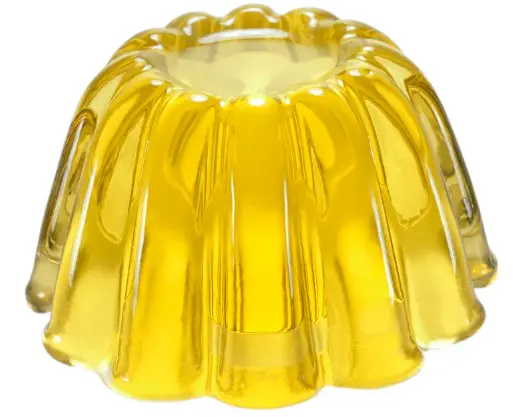
One of the most well - known uses of pectin is in making jams and jellies. The right pectin concentration is crucial here because it determines the texture of your spread.
For traditional jams and jellies made with a high sugar content (around 60 - 65% sugar), a pectin concentration of about 0.5 - 1.5% is usually ideal. If you use less pectin, your jam might end up too runny. On the other hand, if you use too much, it can become overly firm and have a rubbery texture.
Let's say you're making a strawberry jam. You start with fresh strawberries, add some sugar, and then the pectin. For a batch of strawberry jam that uses around 1 kg of strawberries, adding about 5 - 15 grams of pectin (depending on how firm you want it) should do the trick.
Pectin in Baked Goods
In the world of baked goods, pectin plays different roles. In pies and tarts, it can be used as a thickener for the fruit fillings. A concentration of around 0.2 - 0.5% is often sufficient. This helps prevent the filling from being too liquidy when the pie is baked and sliced.
For cakes, pectin can act as a moisture - retaining agent. A small amount, about 0.1 - 0.3%, can be added to the batter. It helps keep the cake moist and fresh for longer. For example, if you're making a large fruit - filled cake that weighs around 2 kg, adding 2 - 6 grams of pectin can make a noticeable difference.

Pectin in Dairy Products
When it comes to dairy products like yogurt and cheese, pectin has its place too. In yogurt, a pectin concentration of about 0.1 - 0.3% can be used as a stabilizer. It helps prevent the separation of the whey from the yogurt, giving it a smooth and consistent texture.
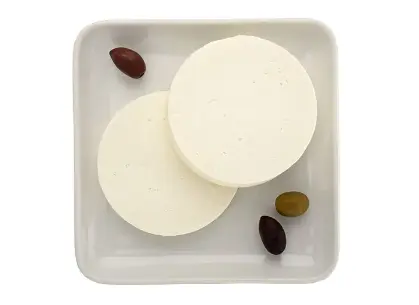
For cheese, pectin can be used in smaller amounts, around 0.05 - 0.1%, as a texturizer. It can improve the mouthfeel and prevent the cheese from crumbling too easily.
Factors Affecting Optimum Concentration
Now, it's important to note that the optimum pectin concentration can be affected by several factors.
- Temperature: Higher temperatures can sometimes break down pectin, so you might need to adjust the concentration accordingly. For example, if you're making a product that will be heated at high temperatures for a long time, you might want to use a slightly higher pectin concentration.
- pH Level: Pectin gels better in an acidic environment. If your product has a higher pH, you may need more pectin to achieve the desired texture.
Other Applications and Related Products
Pectin isn't just limited to the food industry. It also has applications in the pharmaceutical and cosmetic industries. In pharmaceuticals, it can be used as a binder in tablets. And in cosmetics, it can be used as a thickener in creams and lotions.
If you're interested in other health - related raw materials, we also offer some great products. Check out Maslinic Acid, Theacrine Powder, Dunaliella Salina Extract, Glycyrrhizic Acid Powder, and Peanut Peptide. These products have various health benefits and can be a great addition to your product line.
How to Determine the Right Concentration
Figuring out the optimum pectin concentration for your specific application might take a bit of trial and error. I recommend starting with a small batch and adjusting the pectin amount based on the results. Keep detailed records of the amounts you use and the outcomes. This way, you can fine - tune the concentration for your final product.
Contact Us for More
If you're in the market for pectin or any of the other products I mentioned, we'd love to hear from you. Whether you have questions about the optimum concentration, want to place an order, or just need some advice, we're here to help. Reach out to us, and let's start a conversation about how we can meet your needs.
Tel:86-029-86478251 / 86-029-86119593
Whatsapp:8617782577059
Email:sales@sxytorganic.com
References
- Food Chemistry, 4th Edition, edited by Owen R. Fennema
- Handbook of Food Additives, 3rd Edition, by A. L. Branen et al.
- Pectin: Structure, Function, and Uses, by J. A. Lopes da Silva and M. A. Rao