Where to Buy Pumpkin Seed Protein: Trusted Brands and Tips?
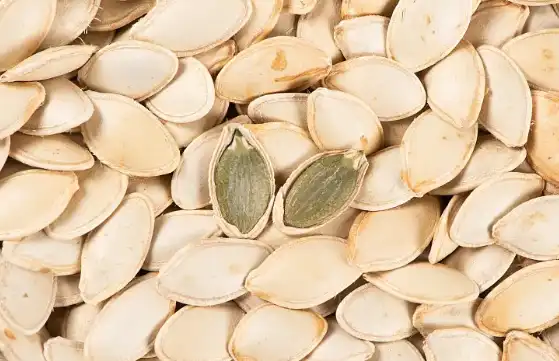
Finding reliable sources for Pumpkin Seed Protein requires careful evaluation of supplier credentials, quality certifications, and production capabilities. The market offers various procurement channels ranging from specialized organic ingredient manufacturers to established plant protein distributors. Successful sourcing depends on understanding protein specifications, organic certifications, and supplier reliability metrics. Leading suppliers typically maintain USDA Organic certification, Non-GMO verification, and comprehensive quality management systems to meet industrial formulation requirements across nutrition, cosmetic, and functional food applications.
Understanding Pumpkin Seed Protein: Key Attributes for B2B Buyers
Pumpkin Seed Protein is a high-quality plant-based ingredient that comes from Cucurbita pepo seeds that have been processed in special ways, such as by cold pressing and using enzymes to remove the protein. This hypoallergenic protein powder is a great deal for companies that want to make allergen-friendly products without sacrificing nutrients.
Production Process and Quality Parameters
The process starts with carefully choosing pumpkin seeds that are then milled at temperatures below 60°C to keep the beneficial chemicals. Advanced supercritical CO2 extraction gets rid of extra fats while keeping the protein's useful qualities. The dry powder that is made has between 60 and 75% protein, and the particle sizes are usually between 200 and 600 mesh for the best solution properties. Specifications for quality include strict control of moisture levels below 8%, fat levels below 10%, and full heavy metal tests for cadmium and lead. The unique light green to greenish-white color comes from keeping the chlorophyll and treating it gently, which keeps the nutritional value.
Unique Functional Advantages
Pumpkin seed protein avoids common allergens, offers a mild nutty flavor, and blends well in formulations. Rich in amino acids and minerals, it supports mood, nitric oxide production, and enables natural nutrient claims.
Comparing Pumpkin Seed Protein with Other Plant-Based Proteins
Nutritional Profile Analysis
Compared to other plant proteins, Pumpkin Seed Protein has clear benefits in the amounts of certain amino acids and the abundance of minerals. The protein solubility score is between 0.6 and 0.7 when it is not mixed with other proteins. However, this score can be raised by strategically mixing proteins that work well together. Comparative research shows that it has more tryptophan than pea protein and more arginine than rice protein powders for example. As with most plant-based proteins, the amount of methionine is the limited amino acid. However, blending methods can get around this problem.
Organic Certification Impact
In global markets, organic approval has a big effect on what people expect in terms of quality and how prices are set. The USDA and EU Organic guidelines need verified seed sources, certified processing facilities, and lots of paperwork all along the supply chain. These certifications usually come with higher prices, but they make sure that quality is always the same and that regulations are followed for important market sectors. As part of the certification process, farming methods, processing methods, and dealing techniques are checked by a third party. When manufacturers buy approved organic products, they have easier access to markets and don't have to worry as much about following rules.
Cost-Effectiveness Considerations
You have to pay more for pumpkin seed protein than for common proteins like soy or pea, but the health benefits usually make it worth it. Less need to hide flavors, hypoallergenic qualities, and natural mineral content can help lower formulation costs by making ingredient panels easier to understand and improving product placement. The prices on the market are based on how complicated the supply chain is, how seasonal the goods are, and what certifications are needed. Strategic promises to buy at certain times and in certain amounts can help lower costs while keeping quality standards high.
Where to Buy Pumpkin Seed Protein?: Trusted Brands and Suppliers
Global Manufacturing Landscape
The Pumpkin Seed Protein supply chain includes specialized producers in North America, Europe, and Asia. Each has its own benefits when it comes to processing skills, certification standards, and the efficiency of logistics. To make sure quality is consistent, leading providers keep their processes fully integrated, from getting the seeds to packaging them at the end. European makers often put a lot of emphasis on organic certification and traditional ways of processing, while North American suppliers put a lot of emphasis on being able to scale up and following the rules. As a way to keep up with international quality standards, Asian producers are putting more money into advanced extraction technologies and competitive price systems.
Direct Supplier Relationships
Setting up direct relationships with makers gives you the most control over quality standards, delivery times, and price. Because of these connections, there are ways to make the product exactly how you want it, such as by changing the protein quantity or particle size. Some of the benefits of direct buying are access to expert help, batch-specific documentation, and priority allocation when supplies are low. Manufacturers usually need at least 500 kg to several metric tons of an item to be ordered, but the exact terms depend on the product specs and the supplier's abilities.
Online Procurement Platforms
Digital markets make it easy to find many sellers and compare prices and specifications effortlessly. Food ingredient platforms offer verified source networks, quality certifications, and streamlined buying methods that work well for smaller orders. But buyers should check the credentials of the seller on their own and ask for full specs before making a purchase. Evaluating samples is still necessary to check their organoleptic qualities and how well they work in certain situations.
Private Label and OEM Opportunities
With custom recipe services, brands can make their own protein mixes that include pumpkin seed protein and other ingredients that work well together. These relationships help businesses stand out in the market by using their established manufacturing skills and methods for following rules. Formulation creation, stability testing, and package design services are often part of OEM agreements. Private label goods usually have higher minimum order sizes than regular ingredient purchases. However, they offer higher profit margins and chances to set your brand apart.
Tips for Evaluating and Selecting Pumpkin Seed Protein Suppliers
Quality Assessment Criteria
Comprehensive supplier evaluation begins with reviewing analytical specifications including protein content verification, amino acid profiles, and microbiological testing results. Reliable providers give thorough certificates of analysis for every batch of production, which shows that they use the same quality control methods every time.
The following quality factors help buyers decide which suppliers to choose:
1. Protein Purity Verification: Standardized Kjeldahl or Dumas methods are used by an independent lab to confirm the claimed protein content. Reliable providers make sure that the protein level stays within ±2% of what is specified for each production batch.
2. Certification Authenticity: For organic certifications to be valid, they need to be audited by a third party every year and come with a lot of paperwork. If someone asks, suppliers should be happy to give them up-to-date certifications and audit reports.
3. Heavy Metal Testing: Full testing for arsenic, lead, cadmium, and mercury makes sure that international safety standards are met. Most of the time, acceptable limits are in line with WHO/FAO standards for food items.
4. Microbiological Safety: Standard test sets include yeast/mold, E. coli, total plate count, and yeast/mold. coli and Salmonella tests. Suppliers who use HACCP methods show that they are better at keeping things from getting contaminated.
These quality standards set the groundwork for trustworthy relationships with suppliers and regular product performance.
Supplier Reliability Metrics
Beyond quality specifications, operating reliability has a big effect on the success of buying. Communication responsiveness, order processing accuracy, and shipping plan adherence are some of the things that are used to judge a business. Suppliers that have been around for a while usually have full order tracking tools and deliver 95% of the time or more. A financial stability assessment guards against supply problems and makes sure that the partnership will work in the long run. Suppliers should show that they have enough operating cash, insurance, and well-documented quality management systems, which may include ISO approval if needed.
Pricing Structure Analysis
To understand the total cost of ownership, you need to look at more than just the unit price. You also need to look at the shipping costs, the minimum order size, and the payment options. When you buy more, volume-based price options can save you a lot of money, but you need to think about the costs of keeping inventory. Changes in the value of the dollar can have a big effect on the prices of buying things from other countries, especially for European and specialty organic sellers. Some sellers offer currency hedging or fixed-term plans to lower the risk of price changes.
Strategic Procurement Recommendations for B2B Clients
Application-Specific Sourcing
For each end-use application, different procurement methods are needed based on quality standards, functional requirements, and legal requirements. Companies that make sports nutrition focus on improving amino acids and how well they dissolve, while companies that make cosmetics focus on consistent particle size and bacterial cleanliness. By dividing buying needs into groups, you can choose the right suppliers and get the best contract terms. Analysis of application-specific demand and review of market trends can help make volume forecasts more accurate. This planned method lowers the cost of buying things while making sure that there are enough of all kinds of products in stock.
Supply Chain Risk Management
Diversified supply networks lower the risks that come with problems with quality, output, or geopolitics. Keeping in touch with both main and secondary providers is important for keeping the supply chain running smoothly when problems arise out of the blue. Geographic spread gives you more safety against problems in different areas and lets you get better prices by competing with other suppliers. But training costs and quality difference risks need to be carefully managed to keep operations running smoothly.
Long-Term Partnership Development
Strategic supplier ties are more than just business deals. They also include working together to create new products, share market information, and coordinate capacity planning. These partnerships often lead to better prices, faster service, and better technical help. Joint business planning meetings help everyone understand each other's growth goals and the skills that are needed to reach them. Suppliers who are committed to long-term ties usually offer better service and new ideas that help customers succeed.
Conclusion
To buy Pumpkin Seed Protein successfully, you need to look at a supplier's skills, quality certifications, and ability to keep operations running smoothly. There are many places to get ingredients in this growing market, from specialized manufacturers to well-known ingredient sellers. Each has its own benefits when it comes to quality, price, and service. Cost-effectiveness and supply chain resilience are both improved by strategic buying methods that focus on long-term relationships, risk diversification, and application-specific needs. As the need for plant-based proteins keeps growing, building ties with reliable suppliers early on gives you a leg up in product creation and market response.
FAQ
1. What certifications should I look for when purchasing pumpkin seed protein in bulk?
Essential certifications include USDA Organic or EU Organic for organic products, Non-GMO Project Verified, and relevant food safety certifications such as SQF, BRC, or FSSC 22000. Kosher and Halal certifications may be required depending on target markets. Suppliers should also maintain ISO 9001 quality management certification and provide comprehensive analytical testing documentation.
2. How does pumpkin seed protein compare to whey protein for commercial applications?
Pumpkin seed protein serves as an excellent plant-based alternative to whey protein, offering hypoallergenic properties and vegan compatibility. While whey protein typically provides higher protein content and complete amino acid profiles, pumpkin seed protein delivers unique advantages including natural mineral content, antioxidant properties, and appealing flavor characteristics that require minimal masking in formulations.
3. What are typical minimum order quantities for industrial pumpkin seed protein purchases?
Minimum order quantities vary significantly among suppliers, typically ranging from 500 kilograms to 5 metric tons for standard specifications. Custom formulations or private label products generally require larger minimum orders of 1-10 metric tons. Some suppliers offer smaller quantities through distributors, though pricing may be less competitive than direct manufacturer purchases.
Partner with YTBIO for Premium Pumpkin Seed Protein Supply
YTBIO stands as your trusted Pumpkin Seed Protein supplier, delivering exceptional quality organic plant-based ingredients that meet stringent international standards. Our comprehensive certification portfolio includes USDA Organic, EU Organic, and CERES verification, ensuring complete regulatory compliance for your formulation needs. With ISO9001 quality management systems and partnerships with GAP, GMP, and HACCP certified facilities, we guarantee consistent product quality from farm to final packaging. Our experienced team provides technical support, competitive pricing, and reliable logistics to streamline your procurement process. Contact our sales team at sales@sxytorganic.com to discuss your specific requirements and discover how YTBIO can enhance your product development capabilities with premium organic ingredients.
References
1. Thompson, M.K. et al. "Plant-Based Protein Quality Assessment and Industrial Applications in Food Manufacturing." Journal of Food Science and Technology, 2023.
2. Rodriguez, A.L. "Organic Certification Standards and Supply Chain Management in Global Ingredient Markets." International Food Industry Review, 2023.
3. Chen, S.W. and Martinez, P.J. "Amino Acid Profiles and Functional Properties of Alternative Plant Proteins." Food Chemistry International, 2022.
4. Williams, R.D. "Strategic Procurement Practices in the Plant-Based Ingredient Industry." Supply Chain Management Quarterly, 2023.
5. Johnson, K.E. "Quality Control Standards and Testing Protocols for Organic Plant Protein Ingredients." Food Safety and Quality Assurance, 2022.
6. Anderson, T.M. "Market Analysis and Trends in Plant-Based Protein Ingredient Sourcing." Nutritional Industry Intelligence, 2023.