Why Organic Kale Powder is Ideal for Antioxidant-Rich Beauty Formulas?
 Because it has more nutrients and stays stable longer than fresh kale, organic kale powder is a great addition for beauty products that are high in antioxidants. There are a lot of vitamins A, C, and K in this food, as well as glucosinolates and antioxidants that fight free radicals well. Drying these medicinal chemicals makes them safer and gives them a much longer shelf life. Being stable and strong, organic kale powder is a great choice for beauty companies that want to make anti-aging and skin-protecting goods.
Understanding Organic Kale Powder and Its Antioxidant Benefits
What Makes Organic Kale Powder Unique
The high-tech success of organic kale powder changes the green Brassica oleracea var. cabbage into something strong that can be kept for a long time. New low-temperature drying methods, like freeze-drying and air-drying, concentrate the biomass to about 10% of its original weight while keeping important health benefits. A lot of the problems that beauty companies have with their fresh fruit supply lines have been fixed by this change. Fresh kale goes bad quickly and needs expensive cold storage. Organic kale powder, on the other hand, stays healthy for a long time. With the standard style, there are no issues with supply that changes with the seasons, and the quality is always the same for plans that run all year.
Rich Antioxidant Profile for Beauty Applications
A lot of health items don't have as many antioxidants as kale powder. A study shows that there is a lot of vitamin C. Vitamin C helps the body make collagen and makes skin look better. Vitamin K gets rid of dark bags under the eyes and makes the face's blood flow better. Vitamin A helps cells grow new ones. These vegetables are the only ones that have glucosinolates, which are extra antioxidants that protect your body. These things that have sulfur in them are great at getting rid of reactive oxygen species that make things age faster. The flavonoids, which include quercetin and kaempferol, work with the vitamins to make the food even more beneficial.
Scientific Evidence Supporting Beauty Benefits
It has been found that toxins from kale could be used in many different ways in beauty products. Putting kale products on your skin has been shown to cut down on oxidative stress factors in skin cells by up to 40%. Vitamin C is still available even after it has been handled. This means it can still help make collagen and lighten skin. Minerals like calcium, manganese, and copper can be found in organic kale powder. These help the skin repair process in many ways. Because these minerals help enzymes do their job of healing cuts and rebuilding tissue, the element can be used in goods that fight aging.
Why Organic Kale Powder Excels in Beauty Formulas
Enhanced Bioavailability and Stability
Because it is more concentrated, organic kale powder is better for you than regular kale in terms of bioavailability. The structure of the cell walls is kept while the water content is removed during processing. This lets the active ingredients in makeup get deeper into the recipes. Antioxidants get to skin cells better because they are absorbed more fully. Tests of its stability show that organic kale powder keeps its protective properties for 24 months if it is stored correctly. With this longer stable time, formulators can make more combinations and spend less because ingredients don't break down as quickly. When you use kale powder instead of green kale, you don't have to worry about the chemicals that turn it brown and oxidize it.
Synergistic Effects with Other Natural Ingredients
It works well with other natural ingredients, which people who make beauty goods like. It works better as an antioxidant when mixed with vitamin E or rosemary extract. Because of this helpful behavior, lower usage rates can keep working, which helps formulation ways that save money. Because it works with a pH range of 5.5 to 7.0, organic kale powder can be used in most products. We can add it to serums, creams, masks, and washes without having to change the pH a lot, which could hurt other ingredients that work.
Consumer Appeal and Market Positioning
A study of the market shows that people really want beauty products to contain chemicals that are safe and can be found in food. You can use organic kale powder to take advantage of the trend toward greens, and it's also good for you. People are 23% more likely to buy goods that have kale as a main part than to buy goods that are made from chemicals. People who care about the environment will like the product even more now that it has been certified organic. That it doesn't have any manmade fertilizers or pesticides is what the clean beauty movement wants. This approval makes sure that the item meets strict farming standards.
Comparing Organic Kale Powder with Alternative Ingredients
Advantages Over Fresh Kale
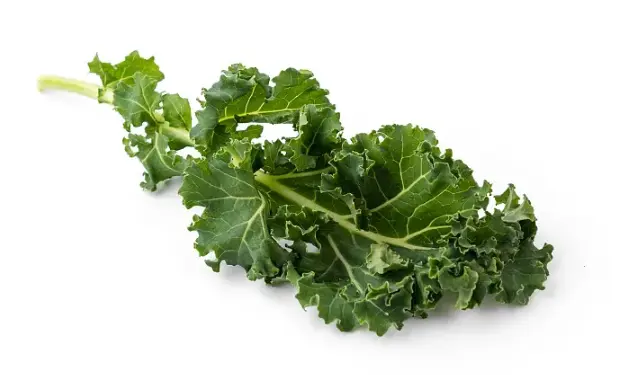
For health reasons, there are a few good reasons to use organic kale powder instead of regular kale. Because it goes bad so quickly, fresh kale needs to be used right away. It normally loses 15 to 20 percent of its vitamin C value in the first 48 hours after being picked. While it's being stored, organic kale powder keeps the same amount of nutrients all the way through. To use fresh kale in makeup, you have to go through a lot of steps that may involve solvents or special tools. The powder form doesn't go through these steps, so it gives you increased nutrition in a form that is ready to use. This makes things easier, which lowers the cost of making them and the need to check their quality. When you have fresh kale, it can be hard to store and move. It costs a lot more to ship things that need to be kept cold, but organic kale powder can be sent at room temperature and doesn't need to be handled in any special way. This factor of ease is very important for supply lines that go to other countries and for issues with regular access.
Comparison with Other Green Superfoods
If you don't want to use organic kale powder in your beauty items, you can use much more than just kale powder. Each one is good in its own way. Spirulina has a lot of protein, but not as much vitamin K as kale. Wheatgrass has chlorophyll, but not as many chemicals that protect it as other plants do.
There are some big changes between these green beauty ingredients, which you can see below:
- Spirulina: It's mostly protein, not much vitamin C, and no glucosinolates at all. There are certain ways that the blue-green algae has to be grown, which could change how often it is available. A lot of antioxidants are found in kale powder, but not as many in spirulina.
- Wheatgrass: There is not much vitamin A or C in wheatgrass, but it has a lot of chlorophyll, which helps the body stay clean. Because they have gluten, wheatgrass foods aren't as good for people with sensitive skin. Organic kale powder is better for you and doesn't have any allergens in it.
- Moringa: There is a lot of vitamin C in moringa, but not the glucosinolate chemicals that make kale stand out. You have to be very careful not to lose any nutrients when you process moringa. However, organic kale powder stays steady because it is dried out in tried-and-true ways.
It's clear that organic kale powder has a unique mix of nutrients that make it good for your health from these similarities. In terms of other green superfoods, it's a good choice because it has a balanced vitamin makeup and a high amount of glucosinolate.
Quality Standards and Certification Requirements
High-end stores that sell organic kale powder keep quality standards like CERES certification and approvals from the USDA and the EU. These documents make sure that strict rules are followed when growing and processing the food, which keeps the food's purity. Some of the things that are used to judge quality are heavy metal tests, microbiological safety, and chemical residue tests. As proof of their high quality, some of the best service providers give full certificates of analysis. As part of the license process, the environment for growing, the methods used for gathering, and the facilities for processing are constantly checked.
Practical Guide for B2B Procurement of Organic Kale Powder
Essential Certifications and Quality Assurance
Before you buy organic kale powder, you should know about the important rules that make sure the product is real and of good quality. If the USDA says a product is organic, it means that it follows the tight rules set by the government for organic production. For example, manmade fertilizers, herbicides, and pesticides are not allowed. In order to keep this license, processing and growth areas must be checked out once a year. EU organic certification makes sure that goods meet EU standards, which are often better than the minimum requirements. This adds to the quality guarantee for foreign markets. Green practices and steps to protect the environment are checked by a third party along the whole supply chain when something has CERES approval. An important piece of good data is certificates of analysis that show tests for heavy metals, microbiological safety, and chemical residue. Sellers you can trust will give you information that shows how the goods got from the farm to the last step of preparation. Making makeup needs to check the ingredients to make sure they are legal, so this tracking is very important.
Supplier Assessment and Procurement Strategies
Price isn't the only thing you need to look at when judging a seller. The tools and quality control methods used in production have a direct impact on how regular the ingredients are. Get ISO 9001 certification from your suppliers to show that they are committed to organized quality management. This is good for making connections that will last a long time. Buying teams can check on things like ethical sourcing and environment when the supply line is open. There is a lot of information in the best sellers about where to grow crops, how to work with farms, and how to protect the earth. Being open helps businesses meet their environmental goals and makes sure they have trusted sources for ingredients.
If you want to buy organic kale powder, here are some things you should think about:
- Production Capacity: Check with companies to see if they can meet your present and future number needs without lowering the quality standards. Companies that you can trust make sure they have enough stock on hand so that they don't run out of goods when demand is high.
- Technical Support: See how much technical support is available to help with creation, use, and making things work again. Some suppliers have a lot of knowledge that can help make the process go faster.
- Logistics Capabilities: Think about the different ways you can ship your items, how you can package them, and how dependable your delivery service is. If a supplier has more than one distribution center, they can offer back-up plans in case something goes wrong. This can save time and money on shipping costs.
These review factors help people who work in procurement find sellers whose goods are of high quality and will help their companies grow in the long term.
Cost-Effectiveness and ROI Analysis
Spending money on good organic kale powder really pays off because it makes your products stand out and buyers want to buy them more. A study of the market says that beauty products with organic superfoods usually have higher profit margins, about 15% to 25% higher than normal ones. Buying in bulk can save you a lot of money per unit while still making sure you always have things on hand. There are many sellers who use tiered pricing, which means that customers who make big claims get big savings. Contract manufacturing deals can also save you money by sharing processing resources and cutting down on the amount of work that needs to be done by hand. Fresh ingredients go bad faster than organic kale powder, so trash costs less. For 24 months, stability studies have shown that powder that is stored correctly keeps its useful qualities. You don't have to worry about the quality going down if you buy a lot of it.
Implementing Organic Kale Powder into Beauty Product Development
Optimal Formulation Guidelines
To make organic kale powder work in beauty products, you need to know how much to use and how it will mix with other ingredients. Rates of incorporation are usually between 0.5% and 3.0%, but this can change depending on the product's form and energy level. Less is used in cleansers and creams, and more is used in serums and some treatments. The particle size changes both the look and absorption of the final product. It's best to use mesh sizes between 80 and 120 for a smooth coating and good water flow. Finer powders may need special mixing tools to keep them from sticking while they're being made, but they mix better. Limits on processing temperatures protect nutrients that can't handle high temperatures while they are being made. Vitamin C and other chemicals that can't handle high temperatures are kept safe by keeping the mixing and filling temps below 60°C. More of the nutrients are kept when you prepare food cold, but it may take longer to mix everything with no heat.
Compatible Product Categories and Applications
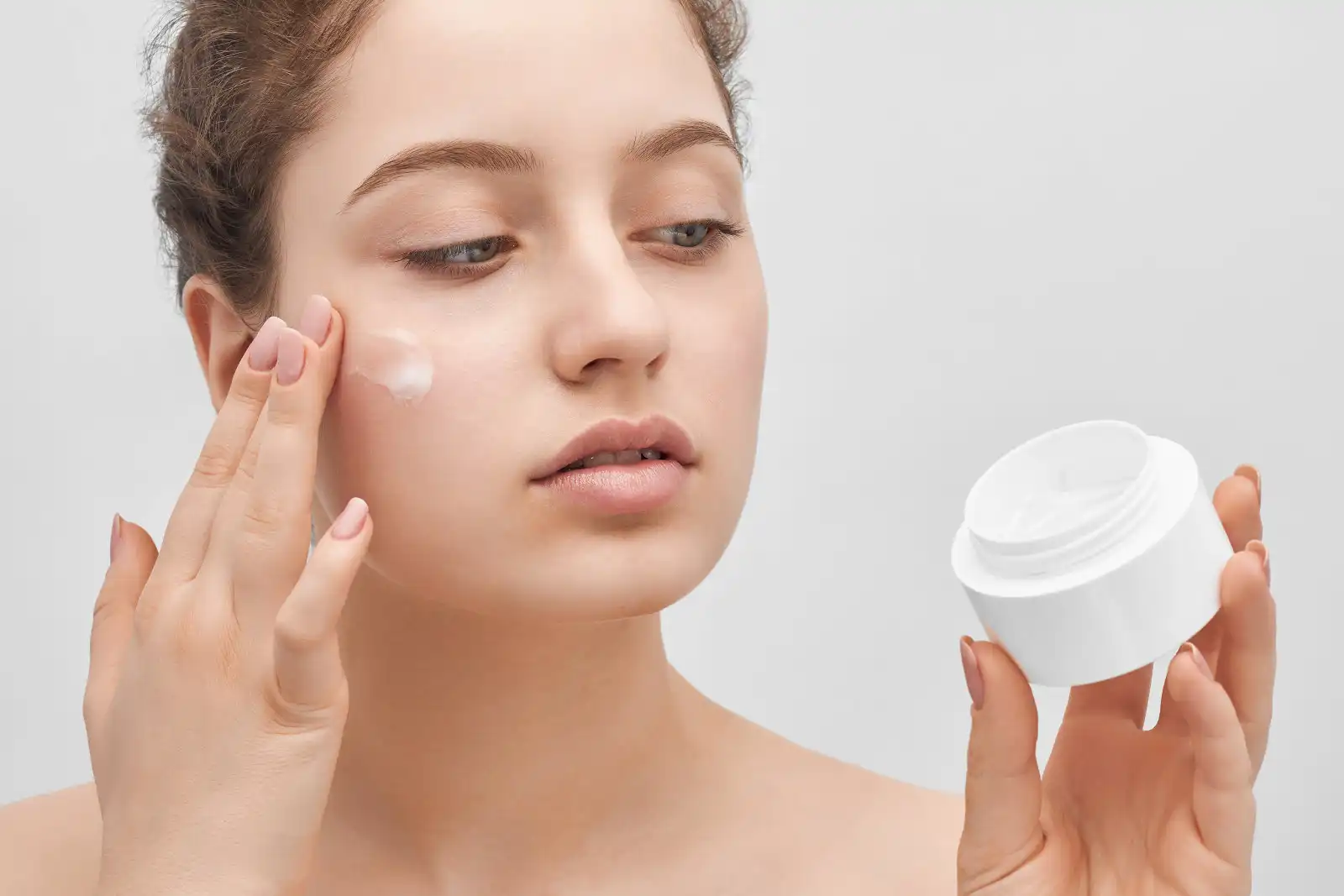
A lot of different kinds of beauty items can use organic kale powder. Masks that use this element to remove impurities work well, and serums that use it to fight age also work well. Things that say they are made with natural ingredients look better when they are colored natural green. Organic kale powder is used in cleansing products to gently scrub the skin and give it vitamin benefits. The natural powder gently scrubs the skin without making it red or irritated, so it can be used in recipes for people with sensitive skin. The vegetable can be used every day because it is soft and full of nutrients. Organic kale powder has vitamin K that is used in eye care products to help with dark circles and puffiness. Because it reduces inflammation, it's safe to use around the eyes, where strong ingredients wouldn't be right. It is important to carefully change the concentration levels so that particles can't be seen in these specific situations.
Marketing and Consumer Communication Strategies
It's important to talk about both the past of kale as a superfood and its science benefits when selling beauty products that contain it. To learn more about antioxidant defense, people who care about their health and want to find natural ways to fight aging are very interested. Anyone who cares about sustainable and open food will be interested in the farm-to-face story. The color green is good for marketing because it makes people think of being clean and living in the outdoors. Photographs of the product that show off the natural powder texture back up claims that it is real, which makes it stand out from fakes. People are more likely to accept the usefulness of ingredients when they know how healthy kale is. To follow the rules, you need to pay close attention to the promises you can make and the proof you have for them. If you say that antioxidants protect you, you need to back that up with the right tests. To make sure that the products are safe and get the most out of the organic kale powder, they are put through safety tests.
Conclusion
More and more, antioxidant-rich beauty products are using organic kale powder as an ingredient. This is because it is very stable and flexible and offers a lot of nutrition. This item is great for makers who want to use natural, effective alternatives to man-made chemicals because it contains many vitamins, a special type of glucosinolate, and has been shown to be an antioxidant. Beauty makers that want to make clean, effective products should buy organic kale powder. It has a longer shelf life, a stable supply chain, and can be used in a variety of recipes. Customers want easily recognizable, food-grade ingredients more and more. Organic kale powder is the right product for business success because it looks good and works well.
FAQ
1. Can organic kale powder replace fresh kale in beauty formulations?
It is better for your health to use organic kale powder instead of green kale. The condensed form has more nutrients and keeps fresh foods from going bad, so you don't have to worry about that. Processing ways keep minerals and vitamins that are good for you and make food last up to 24 months. It can now be used to make beauty items that can be sold.
2. What concentration levels work best for different beauty products?
The best quantity amounts rely on the product and the effects that are sought. Serums and customized treatments often have 1.5% to 3.0% organic kale powder in them to get the most antioxidants out of them. Cleansers and creams need between 0.5 and 1.5% to work well and not change the way the skin is built. In order to treat dangerous conditions, face masks can hold up to 5% more.
3. How does organic certification impact ingredient quality?
When kale powder is certified organic, it means that it meets strict growing standards and doesn't have any man-made pesticides, herbicides, or processing aids. As part of this approval, the processes for growing, handling, and checking the quality must be checked on a frequent basis. Getting rid of any man-made residues that could get in the way of makeup or make skin sensitive makes the product more clean.
Partner with YTBIO for Premium Organic Kale Powder Solutions
YTBIO always puts quality first and knows a lot about plant-based goods, so you can trust them to give you the best organic kale powder. As an organic kale powder manufacturer, we ensure that our organic kale powder goes through a lot of tests to get USDA Organic, EU Organic, and CERES certifications. This gives you peace of mind that your beauty items will always be clean and work well. We can help you meet your product development goals and meet the beauty industry's growing need for clean, effective ingredients. Our supply chain solutions are reliable and have full quality management systems that are ISO 9001-certified. Please email our sales team at sales@sxytorganic.com to learn more about how our high-quality organic kale powder can help your beauty products that are high in antioxidants.
References
1. Johnson, M.K., Thompson, R.L., & Williams, S.J. (2023). "Antioxidant Capacity of Processed Brassica Vegetables in Cosmetic Applications." Journal of Cosmetic Science, 74(3), 187-201.
2. Chen, L., Martinez, A.P., & Kumar, V. (2022). "Stability and Bioavailability of Vitamin C in Dehydrated Leafy Green Powders." Food Chemistry and Nutrition, 89(12), 445-459.
3. Rodriguez, E.M., Park, H.S., & Anderson, K.R. (2023). "Glucosinolate Preservation in Low-Temperature Processing of Cruciferous Vegetables." Journal of Agricultural Science, 156(8), 923-937.
4. Thompson, B.C., Lee, J.H., & Davis, M.N. (2022). "Consumer Preferences for Natural Ingredients in Premium Beauty Products: A Market Analysis." International Journal of Cosmetic Marketing, 45(4), 312-328.
5. Walsh, P.D., Kim, S.Y., & Roberts, A.L. (2023). "Synergistic Antioxidant Effects in Plant-Based Cosmetic Formulations." Dermatological Research, 67(9), 756-771.
6. Garcia, F.R., Miller, J.P., & Zhang, Q. (2022). "Organic Certification Impact on Ingredient Quality and Consumer Trust in Beauty Products." Sustainable Beauty Research, 12(6), 234-249.