Advantages and Applications of Phycocyanin as a Food Additive
With the development of the food industry and growing consumer interest in natural, "clean-label" foods, natural pigments have become an increasingly important choice in food formulation. Among these, phycocyanin has garnered significant attention within the food and beverage industry due to its unique natural blue color, water solubility, and plant-based origin.
Phycocyanin is a natural blue pigment-protein extracted from blue-green algae (primarily cyanobacteria such as *Spirulina*). It imparts a vivid blue appearance to food and beverage products and can also be combined with other natural pigments to create a diverse range of hues. Given its natural origin and versatile application potential, phycocyanin is emerging as a noteworthy ingredient in the field of food colorants.
I. Sources of Phycocyanin
Phycocyanin is a phycobiliprotein that occurs naturally within the cells of blue-green algae, most notably in cyanobacteria like *Spirulina*. It serves as a key component of the photosynthetic light-harvesting system in these algae, absorbing specific wavelengths of light and participating in the transfer of light energy.
In industrial production, phycocyanin is obtained through a series of processes, including algal cultivation, harvesting, cell disruption, extraction, separation, and purification. Through these processing steps, phycocyanin products of varying purities and specifications can be produced to meet the requirements of the food, beverage, and other industries.
Unlike some traditional synthetic colorants, phycocyanin is derived from natural algal sources, offering a "naturally sourced" blue pigment option for food formulation.
II. Key Characteristics of Phycocyanin
Beyond its unique color, the physicochemical properties of phycocyanin offer distinct advantages for its use in food formulations.
 1. Color
Phycocyanin produces a vibrant blue hue, making it a rare and specialized source of natural blue pigment. For manufacturers looking to develop blue-colored food and beverage products, it provides a highly recognizable visual effect and expands the range of available color options.
2. Water Solubility
Phycocyanin is water-soluble, allowing it to disperse or dissolve readily in aqueous systems. Consequently, it is well-suited for a wide variety of water-based food and beverage formulations. Properly controlling the dosage and processing conditions helps achieve a more uniform coloring effect.
3. Protein
Phycocyanin is, by nature, a protein; it possesses both the coloring function of a natural pigment and the structural characteristics of a protein. This distinguishes it from some traditional synthetic colorants.
4. Processing Conditions
The stability of phycocyanin is influenced by factors such as temperature, light exposure, pH levels, and other formulation ingredients. Its color may shift, particularly during high-temperature processing or in acidic environments. Therefore, in practical applications, it is necessary to conduct formulation testing based on the specific processing techniques, storage conditions, and the desired final color of the product.
III. Key Application Areas for Phycocyanin
The primary application for phycocyanin is as a natural blue pigment. It is predominantly used in the food and beverage industry, with additional potential for use in cosmetics.
1. Food and Beverage Industry
Phycocyanin provides a natural blue hue to food products and is suitable for a wide range of food formulations.
Beverages and Functional Drinks: It can be used in various fruit-flavored drinks, plant-based beverages, powdered drink mixes, and other water-based drinks to impart a distinctive blue appearance.
Confectionery and Pastries: It is suitable for candies, gummies, cake decorations, icings, and other baked goods, enhancing their visual appeal.
Ice Cream and Frozen Desserts: It can be used to color ice cream, popsicles, and other frozen treats.
Dairy and Plant-Based Foods: Depending on the formulation and applicable regulations, it can be used to color products such as certain yogurts, plant-based drinks, and related items.
Condiments and Other Food Products: Subject to compliance with relevant food regulations and permitted usage scopes, it can also be explored for use in specialty condiments and innovative food products.
Furthermore, phycocyanin can be combined with other natural pigments. For instance, blending it with yellow or red pigments allows for the creation of various shades, such as green or purple, offering food developers greater flexibility in formulation design.
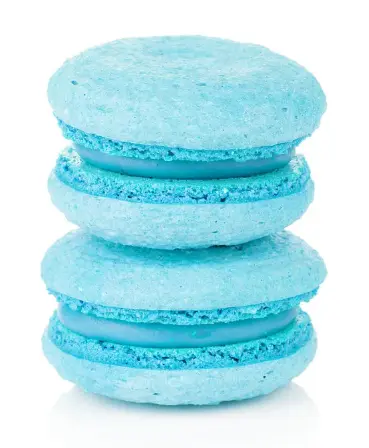
2. Cosmetics Industry
Beyond the food sector, phycocyanin also holds potential for application in cosmetics. Given its natural origin and unique blue hue, phycocyanin has potential for development as a coloring agent in certain cosmetic formulations.
For instance—provided it complies with local cosmetic regulations and ingredient usage requirements—it could be explored for use in color cosmetics, skincare products, and other personal care items.
However, as a protein-based pigment, phycocyanin requires careful evaluation regarding its stability, compatibility with other formulation ingredients, and microbiological control—all of which depend on the specific product in question. It is important to note that food-grade ingredients cannot simply be equated with cosmetic-grade ingredients.

IV. Key Advantages of Phycocyanin as a Natural Pigment
Compared to certain synthetic colorants, phycocyanin offers distinct advantages for innovation in food formulation, thanks to its natural origin, unique color, and versatile applications.
1. Natural Origin, Aligned with "Clean Label" Trends
Derived from algae, phycocyanin provides food manufacturers with a natural blue pigment option. As consumers increasingly scrutinize ingredient lists and the origins of raw materials, the value of natural pigments in the development of "clean label" food products has gained significant recognition.
2. A Unique Option Among Blue Pigments
Within the spectrum of natural pigments, stable blue options that offer strong visual appeal are relatively scarce. Phycocyanin provides a vivid blue hue, enabling the creation of food and beverage products with a distinctive, differentiated appearance.
3. Enhancing Food Formulation Design
Phycocyanin can be used either on its own or in combination with other suitable natural pigments to achieve a variety of color effects. This opens up new possibilities for food R&D professionals to develop innovative beverages, confectionery, desserts, and other specialty food products.
4. Meeting Diverse Market Demands
The use of natural pigments in the food and beverage market continues to expand. For brands and manufacturers looking to reduce their reliance on certain synthetic colorants and develop products based on natural ingredients, phycocyanin is a compelling option to consider.
It should be noted that a "natural origin" does not automatically guarantee absolute safety under all conditions of use, nor does it necessarily imply superior performance compared to synthetic pigments. In practice, any application must comply with the food regulations, quality standards, and recommended usage levels of the target market.
V. Market Application Prospects for Phycocyanin
With its unique blue hue, water solubility, and natural algal origin, phycocyanin holds significant potential for use in food formulation. As advancements continue in extraction and purification processes, pigment stabilization techniques, and formulation application methods, the scope for its use within the food and beverage industry is expected to expand further.
For food ingredient suppliers, beverage manufacturers, and food brands, selecting the appropriate grade of phycocyanin—and conducting application testing that accounts for specific processing techniques, formulation environments, and target market regulations—will help maximize its value as a coloring agent.
Looking for a reliable phycocyanin supplier?
YTBIO provides high-quality phycocyanin ingredients to clients worldwide, including options sourced from organic origins.
Whether you are developing beverages, confectionery, frozen desserts, or other food products, our team is ready to assist you by providing product specifications, technical documentation, and samples to meet your ingredient procurement needs.
Contact YTBIO today to learn more about our phycocyanin products and discuss the requirements for your project.
Tel:86-029-86478251 / 86-029-86119593
Whatsapp:8617782577059
Email:sales@sxytorganic.com