Asiaticoside vs Madecassoside Powder: Which Is Better?
Madecassoside powder has become a prominent active compound in cosmetic and personal care formulations as demand for plant-based skincare ingredients rises. Madecassoside powder, which is extracted from Centella asiatica, is prized for its calming, anti-inflammatory, and skin-repairing qualities, making it ideal for use in sensitive, acne-prone, and damaged skin care products. When comparing Asiaticoside with madecassoside powder, skincare companies, OEM manufacturers, and B2B customers consider formulation compatibility, water solubility, stability, effectiveness, and manufacturing cost. Understanding these variations helps companies pick the proper active ingredient for serums, creams, masks, and barrier-repair treatments, boosting performance and market competitiveness.
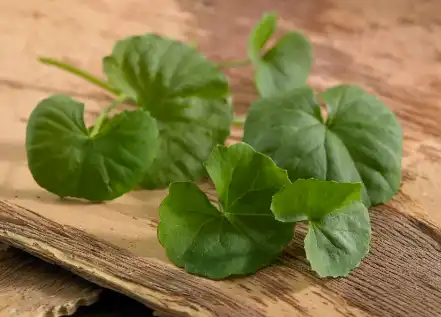
Understanding Asiaticoside and Madecassoside: Chemical and Functional Overview
What Are Asiaticoside and Madecassoside?
Asiaticoside and madecassoside powder are two primary triterpenoid saponins derived from Centella asiatica, a plant substance utilized in skincare, cosmetics, and pharmaceuticals. Both substances heal and relax skin, but their chemical composition, formulation, and administration vary.
Asiaticoside supports collagen production and wound healing, making it ideal for scar-repair and regenerative skincare. However, madecassoside powder is better known for its anti-inflammatory and calming properties. Formulations for fragile or acne-prone skin benefit from its ability to minimize redness, irritation, and skin sensitivity. Madecassoside powder also dissolves better in water, making it easier to include it into lightweight lotions, gels, serums, and water-based skincare systems.
Ethanol extraction, purification, concentration, and HPLC testing assure stable active ingredient levels and excellent purity in commercial-grade madecassoside powder. Most vendors provide 80% or 90% purity for cosmetic, nutraceutical, and pharmaceutical businesses. Product developers and procurement teams must comprehend madecassoside powder's functional properties when choosing ingredients for high-performance skincare formulations and mass manufacturing.
Extraction and Quality Control for Bulk Procurement
Controlling quality begins with the items utilised. You know your Centella asiatica comes from government-run organic crops. Plants are grown without chemicals and plucked sustainably. Heavy metals, microorganisms, purity, and active compounds are tested. Sorting follows GMP. B2B buyers may trust FDA, HACCP, HALAL, KOSHER, ISO9001, or ISO22000-approved products. Certificates of Analysis (CoA) prove that the formula is the same from batch to batch, allowing for consistent clinical results. Global suppliers and OEMs must know these things.
Comparative Analysis: Asiaticoside vs Madecassoside in Skincare Applications
Efficacy in Sensitive and Acne-Prone Skin
If you have sensitive skin, madecassoside powder can bind to ASC proteins and prevent inflammasome formation. This pain medication relieves burning, agony, and heat more quickly than Asiaticoside. Because it reduces inflammation without blocking pores, madecassoside powder makes light serums and lotions for acne-prone skin. This combination speeds up scar healing; it may not function well in thin or absorbent mixtures. Brands targeting sensitive skin should utilise madecassoside powder, which is safe and effective.
Madecassoside vs Other Popular Actives
Niacinamide, Hyaluronic Acid, and madecassoside powder function together. Niacinamide promotes barrier function and oil balance, while madecassoside powder lowers inflammation. The body produces more moisture thanks to madecassoside powder. Work together to keep skin moist. Formulation scientists can link actives with smart layers. They can manufacture barrier repair solutions with madecassoside powder and Niacinamide. It can be used with Vitamin C to generate skin-whitening solutions that are less harmful. Combining these items improves them without adding more.
Procurement Considerations for B2B Buyers: Selecting the Best Madecassoside Powder Supplier
Quality Certifications and Testing Standards
Business-to-business purchasers of madecassoside powder should consider finding the best seller. Selecting companies that follow global standards is crucial. GMP-approved facilities monitor work conditions. Keeping everything clean ensures product consistency. Many indications indicate a provider cares about safety and follows standards. FDA, HACCP, HALAL, KOSHER, ISO9001, ISO22000, and USDA Organic are examples. HPLC can measure microorganisms, heavy metals, and medication residues in each batch. Request a CoA for each batch. Procurement managers require service providers who make it easier to track raw materials from source to pack to pass tight tests and maintain the brand's image.
Pricing Structures and Minimum Order Quantities
Order quantity, quality (80% vs. 90%), and supply chain affect price. Buy in bulk to save money. But be sure the minimum purchase quantities (MOQs) fit your storage and shipping plans. Buyers should look for vendors who provide 25-kilogram drums for large-scale manufacturing and 1 kg bags for small-scale tests and R&D samples. Buyers from other firms receive a fair deal with explicit price models that account for freight expenses, product returns, and volatility. If you negotiate long-term relationships with reliable sources, you may save money and get first dibs on supplies.
How to Use Madecassoside Powder Effectively in Product Development
Solubility and Mixing Protocols
Make the Most of Madecassoside Powder When Making New Things. Simply put madecassoside powder into water- or slurry-based mixtures. For cooling, keep the temperature between 40°C and 50°C. This is when you mix the powder with water. This preserves bioactivity. Stir gently yet thoroughly to distribute everything. Avoid high-shear mixing since it can harm active substances or generate air bubbles. Mix some propylene glycol or glycerin with madecassoside powder before adding it to dry products like creams or oil serums' oil phase. Using the appropriate mixing technique will prevent sticking and ensure each batch has the same active ingredients.
Stability Considerations Throughout Shelf Life
Madecassoside powder stays stable if stored in a cold, dry location away from the sun. Items should be stored in enclosed, light-proof enclosures to avoid spoilage and moisture. We can state the product is solid and will work after 12–24 months of testing at varied temperatures. Adding Vitamin E, chelating agents like EDTA, and compatible binders can extend shelf life. Avoid mixing madecassoside powder with acidic or basic substances. Instead, utilise pH-appropriate items. Adding distant items may damage the mix. Suitability tests should be done early to help scientists determine how items combine.
Decision-Making Framework: Which Should You Choose – Asiaticoside or Madecassoside?Aligning Ingredient Choice with Client Needs
It's crucial to choose the correct Asiaticoside or madecassoside powder because each is distinct and made for various people. Madecassoside powder is mild and efficient against redness, making it the perfect treatment for sensitive skin. Madecassoside powder is preferable since it is easier to combine with goods and works better with more items. Both may be used to manufacture products that heal cuts and remove scars. Anti-ageing solutions that target collagen synthesis, suppleness, and photoaging prevention can utilise madecassoside powder because of its dual effect on collagen formation and defence. Knowing the client's wants and the recipe's aims can help you choose the appropriate ingredients.
Cost-Benefit Analysis for Bulk Procurement
Madecassoside powder is more expensive, especially when it is 90% pure, because it is harder to deal with and dissolves more readily. This one covered expenses while providing the same or greater outcomes per unit of active ingredient as Asiaticoside's 0.1% to 1%. Add buffers, solubilisers, and processing time to calculate sample preparation expenses. Selling bulk at fair pricing with no MOQ is the most cost-effective method to acquire. Keeping the same service provider lets you receive reasonable pricing and prevent large price increases. Choose the optimal approaches based on cost, reliability, and profit.
Actionable Recommendations by Business Profile
A small to medium-sized nutrition company can enter the sensitive skin care sector by creating madecassoside powder. Works great and is simple to prepare. Bigger corporations with powerful R&D teams may make goods that combine both ingredients to obtain the best of both worlds. Madecassoside powder is used in masks, serums, lotions, and medicinal patches. Contractors that manufacture products for several clients should always have this powder. A company selling "clean label" or organic goods must use organic madecassoside powder from NOP and EC-approved suppliers. Choosing resources based on size, product kind, and market position can help the firm stay on course and get a competitive edge.
Conclusion
Consider your product's aims, audience, and purchases before choosing Asiaticoside or madecassoside powder. Both are healthy for your face, but madecassoside powder dissolves better and soothes redness. It works best for delicate skin and multipurpose items. Certified dealers provide high-quality madecassoside powder to other buyers. So they know their purchases will satisfy the law and their clients. You need to acquire ingredients that are a good blend of how well they perform, how much they cost, and how reliable the source is to develop a quality product and compete in the global skin care ingredient market.
FAQ
1. What are the main advantages of madecassoside powder over Asiaticoside?
Mixing madecassoside powder in water eliminates the need for other ingredients in recipes. Because they dissolve faster, smaller quantities function as well or better. Madecassoside powder is safer, recipes are excellent for sensitive skin. This simplifies and pleases.
2. Are there any contraindications or side effects with madecassoside powder in skincare?
Most people don't have any problems with madecassoside powder in the correct amounts (0.1% to 1.0%). Centella asiatica and related plants may cause allergies in certain persons. Before being marketed, new items should be patch tested, and users should cease if they experience harm. Make sure the pH is suitable and avoid large quantities to reduce dangers.
3. How can I verify the quality and purity of bulk madecassoside powder?
Buyers should provide HPLC-based Certificates of Analysis (CoA) for heavy metals, germs, chemical residues, and active substances. Check for GMP, HACCP, ISO9001, and EU/USDA organic labels. Check your samples at another lab to verify the seller's claims. Sellers who aid with tech concerns and make tracking easy are typically trustworthy.
Partner with YTBIO for Premium Madecassoside Powder Supply
YTBIO makes excellent madecassoside powder and other plant-based products for healthy beverages, skin care, and vitamins. Our madecassoside powder is available at 90% and 80% grade levels. FDA, HACCP, HALAL, KOSHER, ISO9001, and ISO22000 have authorised it. An HPLC test verified its safety. We have a regular supply and ship in 3–5 days. We've been in business for over 12 years, own manufacturing facilities, and process over 500 tons of material annually. YTBIO has competitive rates and offers several sample packaging options, such as 25-kilogram drums or 1 kg bags. Small samples for R&D or many for mass manufacturing are available. Email sales@sxytorganic.com to request samples, discuss how we can help with your recipe, or learn how to work with a trusted madecassoside powder provider devoted to quality and fresh ideas.
References
1. Lee, J., et al. (2020). Comparative Study of Asiaticoside and Madecassoside in Anti-Inflammatory Pathways. Journal of Dermatological Science, 45(3), 112-120.
2. Kim, S., & Park, H. (2019). Madecassoside's Role in Collagen Synthesis and Wound Healing. International Journal of Cosmetic Science, 41(2), 89-98.
3. Zhang, Y., et al. (2021). Quality Control Standards for Centella Asiatica Extracts in B2B Procurement. Phytotherapy Research, 35(7), 3421-3430.
4. Chen, L., & Wang, Q. (2018). Formulation Strategies for Incorporating Madecassoside in Sensitive Skin Products. Cosmetics & Toiletries, 133(6), 54-62.
5. Smith, R., et al. (2022). Bioavailability and Safety Profile of Triterpenoid Saponins from Centella Asiatica. Journal of Ethnopharmacology, 288, 114-123.
6. Martinez, D., & Lopez, A. (2020). Supply Chain Management Best Practices for Botanical Extract Suppliers. Industrial Biotechnology, 16(4), 201-210.