Banana Fruit Powder vs Banana Powder: What Is the Difference?
Many buying managers mix up banana fruit powder and banana powder when they need to buy banana-based goods for food production. Banana fruit powder is made from ripe bananas that have been dried out using modern techniques like freeze-drying or spray-drying. This keeps the natural sugars, potassium, and fiber that are concentrated. However, banana powder usually comes from green bananas or has peels in it. This means that it has more resistant starch but less natural sweetness. It's this simple difference that changes the nutritional value, taste, and usefulness in recipes. These are all important factors for B2B buyers who are making plant-based drinks, sports nutrition products, or baby foods.
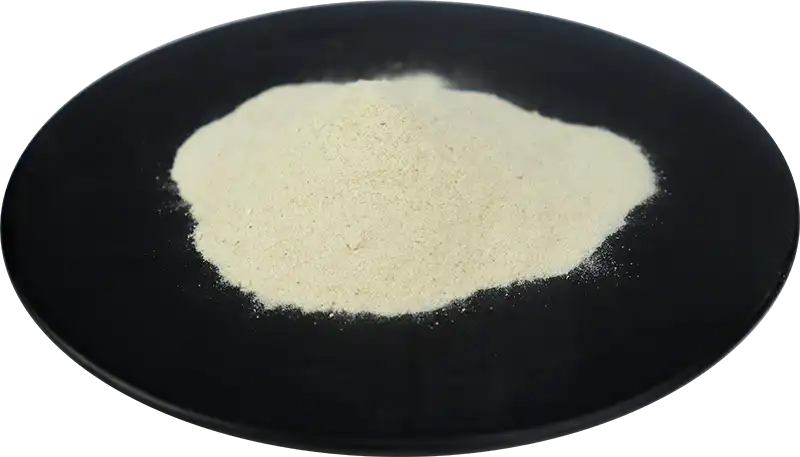
Understanding Banana Fruit Powder and Banana Powder
Language used to talk about banana mixes makes it hard for people all over the world to get the things they need. Both products are made from dried bananas, but the raw materials they are made from and how they are handled are very different. This means that the useful ingredients in them are also very different.
What Is Banana Fruit Powder?
banana fruit powder is made from only ripe Musa spp. fruits and is very concentrated. With this method, the fruit is picked when it's most ripe, which is usually when it's a 6-7 on the freshness scale. This is the time when there are the most natural sugars. Factory workers use either spray drying or freeze drying to get rid of water while keeping the natural nutrient map. There are still about 1500 mg of potassium in 100g of this powder. It also has soluble magnesium and fiber. Most of the time, the particles are between 60 and 80 mesh, which makes it simple to mix with liquids. This ingredient doesn't use fake banana flavorings, so it keeps the real banana taste and smell while removing the supply chain instability that comes with fresh fruit and veggies.
Why Processing Methods Matter for B2B Buyers
The way the goods are made has a direct impact on how well the ingredients work in the finished goods. For spray-dried types, extra things like maltodextrin or gum arabic are often added to help the drying process. The banana may only make up 50–70% of the weight, but they dissolve very well in cold water because of this. It takes more energy to make freeze-dried banana fruit powder, so it costs more. It also keeps 95–98% of its nutrients and almost all of its color. The buying team has to decide which production method to use based on whether the product needs to banana fruit powder be reconstituted quickly, have a true taste strength, or have a certain nutrient density.
Key Differences Between Banana Fruit Powder and Banana Powder
When you know the technical differences between these items, you can buy the right thing based on the formula and what the customer wants.
Nutritional Composition Contrasts
How fresh the source stuff is has a big effect on the macronutrient make-up. Between 65 and 75% of ripe banana fruit powder is made up of natural sugars, mostly sucrose, glucose, and fructose. Naturally sweet, it works well in protein shakes and baked goods. There are a lot of simple carbohydrates in sports nutrition items, which help glucose levels rise quickly. 40% to 50% of green banana powder, on the other hand, is resistant starch, which is not carbs but rather soluble fiber. This mix is good for weight loss products and low-sugar recipes, but it's not as sweet or gives you energy right away as ripe fruit powder will. The minerals are pretty much the same in both types; each 100g has between 1200 mg and 1600 mg of potassium. However, the vitamins are not the same at all. When banana powder is ripe, it keeps more vitamin B6 and antioxidants like dopamine. When powder is green, it keeps more phenolic chemicals that may break down when it hardens.
Storage and Shelf-Life Considerations
The way something is treated affects how long it lasts and how well it works every time. That means that banana fruit powder needs to have a water activity (aw) below 0.3 and a moisture level below 5% (ideally less than 3% for freeze-dried forms). This will stop bacteria from growing and keep the powder from clumping. The temperature must stay below 25°C, and the relative humidity must be controlled while the food is being stored. Foil-barrier packing cleaned with nitrogen can last up to 18 to 24 months if it is packed well. Green banana powder stays more solid when kept because it has less sugar and doesn't soak up as much water. It's hard for tough starch to break down, but phenolic chemicals can be damaged over time by oxidation. Both kinds of powder work better when packed in the dark. This is because light breaks down nutrients, especially carotenoids and vitamins.
Procurement Considerations for B2B Buyers
It takes a lot of thought, not just comparing prices, to find things that are made from bananas. There is a clear link between quality standards, licenses, and the skills of the seller, and how well the formulation works, and how well it meets legal requirements.
Quality Parameters and Testing Protocols
The first step in professional buying is to look at the specifications. Microbiological tests need to be done and must be done. Salmonella (in 25g) and E. coli must stay below 10,000 CFU/g, and the Total Plate Count must stay below that. This is Cronobacter sakazakii and E. coli. This is especially important for baby formula, since pollution can hurt your health and get you in trouble with the law. Following FDA and EU rules is ensured by ICP-MS testing for measuring heavy metals. Every time a lot of bananas is made, they need to be checked for Lead, Arsenic, Cadmium, banana fruit powder, and Mercury because they take in and store earth pollutants. Certificates of Analysis from reputable companies show these factors and the moisture level, which is checked with the Karl Fischer titration. It stops cooking mistakes that cost a lot of money with sensory analysis. Colorimetric analysis that checks for regular Lab* values finds batches that have been damaged or have not been handled properly before they are sent to the production lines. How well the ingredients mix and how they feel in your mouth are both affected by the size of the particles. To make sure that every batch is the same, the specs should list the particle size ranges that can be used for screen analysis.
Packaging and Bulk Handling
The way a product is packed affects both its quality and how easy it is to handle. If you don't need to ship a lot of things, multi-layer kraft paper bags with plastic covers are a cheap way to pack 20–25 kg of goods. Aluminum foil bags with zippers on the ends keep the quality of the goods inside and can be opened more than once without losing much of that quality. Those bags are best for smaller amounts. A drum of packaging usually weighs 15 kg net, and it is better at keeping wetness out and stacking, which is good for building efficiency. The hard package makes it easier to switch out items and keeps things from getting broken while they're being shipped. People who want to store things for a long time should ask for desiccant bags or nitrogen cleaning. How containers are packed affects how much it costs to ship freight. About 10 to 12 metric tons of dried goods can fit in a 20-foot container, but it depends on the type of packing and how the boxes are set up. The people in charge of logistics and purchasing should work together to make the most of each package while still staying within the weight limits set by the end markets.
How to Choose the Right Banana Powder for Your Business Needs
To pick the best banana-based ingredient, you need to make sure that the qualities of the product fit the needs of the application and the goals of the business.
Aligning Product Attributes with End-Use Requirements
A lot of thought goes into how quickly and easily smoothie mixes and protein shakes taste when they are made by drink makers. Some chemicals in spray-dried banana fruit powder help it dissolve better in cold water. This keeps it from settling and keeps its sweet taste. The small size of the powder (about 80 mesh) ensures that there are no rough bits in the taste. Bakeries that want to make gluten-free or "clean label" goods can use freeze-dried options that keep the amount of banana high without watering down the carrier. Because the powder can hold water, it can be used instead of fake humectants, and the concentrated taste can handle being cooked. More and more health-conscious customers are asking for chemical simplification and "no artificial additives" promises, which this change backs up. Pet food makers that need carbs that are easy to digest can use the tough starch in green banana powder. The prebiotics are good for pets' gut health, and the balanced taste goes well with meat or fish-based recipes without making them taste too sweet.
Private Labeling and Customization Opportunities
If brands want their goods to stand out, they should look into new recipes for banana fruit powder that mix banana fruit powder with other ingredients that work well with it. They might ask for a special mix of pink Himalayan salt, coconut water powder, and banana powder to make a unique electrolyte blend. Contract manufacturers who can do private label packing, third-party testing, and custom mixing can cut down on the time it takes to get a product to market and protect the intellectual property rights of the recipe. When you customize something, you might pick the right medium, make sure the particles are the right size, or add organic acid to change the pH. These technical changes make sure that the functions of the ingredients fit the needs of the processing tools or the stability needs of the final formulas. If a buyer wants to find a seller whose professional skills match their creative goals, they should talk to them about the customization choices.
Conclusion
The main difference between banana fruit powder and banana powder is how fresh the ingredients are and what kinds of nutrients they have. That's right, ripe banana fruit powder tastes like real banana and is naturally sweet. It can be used in baking, drinks, and sports nutrition. There is resistant starch, a bland taste, and prebiotic benefits in green banana powder, which makes it good for functional foods and tools for controlling blood sugar. You need to build relationships with providers and do thorough quality checks, such as checking for bacteria, heavy metals, and making sure the certification is real. Business-to-business buyers can make recipes work better while still meeting customer standards for clean labels and nutritional value if they know about these technical differences.
FAQ
1. Does banana fruit powder offer superior health benefits compared to green banana powder?
The answer depends on what you want to achieve with your health. Fully ripe banana fruit powder has simple carbs that are easy to process, more potassium, and natural sweetness that helps with quick energy needs. It can be used in goods that help you heal from sports or replace meals. There is resistant starch in green banana powder. This is a type of prebiotic fiber that may help improve digestion and make you feel full. In this case, there is no clear winner between the two options. The best choice will rely on the details.
2. Can banana powders substitute for fresh bananas in formulations?
How can you swap changes based on how you use it? It looks different, but when mixed with drinks or shakes, reconstituted powder tastes and is good for you just like fresh fruit. Powder is good for baked things because it can control how wet the batter is and give it a concentrated taste. But you can't just use powder to make banana bread bits or other recipes that need the structure of fresh bananas. In general, banana juice made from one part powder to four parts water is about the same.
3. What bulk storage practices preserve banana powder quality?
In climate-controlled storage, keeping temperatures below 25°C and relative humidity below 60% stops the formation of clumps and the loss of nutrients. Follow the "first-in, first-out" rule to keep things from going bad over time. Make sure the package is always whole, and if any bags are broken, change them right away to keep water out. You could use nitrogen-flushed packing or desiccant packets to store things for longer than six months.
Partner with YTBIO for Premium Banana Fruit Powder Supply
Businesses that need to find reliable banana fruit powder suppliers will find that YTBIO is the only company that can meet their high-quality standards and specific design needs. We know how to process organic fruit items that the EC and the NOP have accepted. Quality control systems like HACCP, GMP, and ISO 9001 are used at our places. We test our banana fruit powder for heavy metals and bacteria many times to make sure it meets international food safety standards for uses like feeding babies and making sports supplements.
We help clients find the best standards, whether they need foods that are freeze-dried to keep as many nutrients as possible or foods that are spray-dried to be used right away. We can handle big orders and have variable minimum order numbers (MOQs) for making new products. We can also help with private label programs and custom formulations. You can keep track of everything from the farm to the plant with our tools for traceability. Kosher and Halal licenses also help you reach more customers.
Purchasing managers can email our team at sales@sxytorganic.com and ask for certificates of analysis, thorough datasheets, and samples to look at. Please feel free to get in touch with us if you are a company that makes drinks, plant-based foods, or vitamins, and wants to work with a dependable banana fruit powder maker that is dedicated to quality excellence and supply chain reliability. See all of our organic products at sxytorganic.com and find out how YTBIO can help your recipes work.
References
1. Smith, J. and Garcia, M. (2021). "Functional Properties of Banana-Based Ingredients in Food Manufacturing." Journal of Food Science and Technology, 58(4), 1423-1435.
2. Thompson, R. et al. (2020). "Comparative Analysis of Resistant Starch Content in Green and Ripe Banana Powders." International Journal of Food Properties, 23(1), 892-904.
3. Williams, K. and Chen, L. (2022). "Spray Drying versus Freeze Drying: Impact on Nutrient Retention in Fruit Powders." Food Engineering Reviews, 14(2), 267-283.
4. Anderson, P. (2019). "Quality Control Parameters for Dehydrated Fruit Ingredients in Commercial Applications." Food Quality and Safety, 3(3), 145-158.
5. Martinez, S. and O'Brien, T. (2023). "Organic Certification Requirements for Tropical Fruit Ingredients in Global Markets." Journal of Agricultural and Food Chemistry, 71(8), 3456-3468.
6. Davies, H. et al. (2020). "Applications of Banana Fruit Powder in Sports Nutrition and Functional Beverages." Nutrients, 12(9), 2756-2771.