Bulk Pea Starch Uses in Clean Label Products
 As part of the clean label movement, Bulk Pea Starch has become an important nutrient. It is naturally obtained from yellow split peas using a water-based mechanical process. This gluten-free starch is very good at breaking down in water and thickening, which makes it a great natural filler and binder for food companies that want to keep their ingredient lists simple. Pea starch is full of nutrients that help the digestive system and natural beta-carotene. It has practical benefits and meets customer requests for simpler, plant-based products. As purchasing managers look for options to regular starches, it's important to know about the special qualities and uses of bulk pea starch in order to make competitive products that meet today's standards for allergen-free and environmentally friendly products.
Understanding Bulk Pea Starch in the Clean Label Movement
What Makes Pea Starch a Clean Label Ingredient
The clean label movement stresses openness, limited processing, and ingredients that can be identified. Bulk Pea Starch fits right in with this theory because it is a naturally occurring plant starch that doesn't need to be changed chemically. It is mechanically separated from Pisum sativum and keeps all of its natural functional qualities. There are no worries about manufactured chemicals. Its structure includes about 35% amylose, which gives it special gelling properties that set it apart from highly processed starches. More and more people are pushing manufacturers to change their recipes to use non-GMO and organic-certified foods. This need is met by bulk pea starch, which is naturally compatible with approval standards like the USDA NOP and the EU Organic guidelines. Because the ingredient has a neutral flavor profile, it improves texture without changing the taste. This lets product makers keep the sense quality while making ingredient lists easier to read.
Environmental and Sustainability Advantages
Comparing pea farming to other methods of getting starch, it is more environmentally friendly. The crop requires significantly less irrigation than corn or potatoes, reducing agricultural water consumption by up to 40% in some growing regions. Pea plants naturally improve soil by fixing nitrogen, which means they don't need as much manmade fertilizer and can support green farming methods that brands that care about the environment value. A carbon impact study shows that making pea starch releases about 30% less greenhouse gases into the air than making corn starch. Procurement teams that have to meet company sustainability goals while lowering the environmental impact of the supply chain will like this benefit. Being able to track food from certified fields to processing plants improves supply chain transparency, which is very important for brands that care about ethical sources.
Meeting Allergen-Free and Nutritional Requirements
The fact that bulk pea starch is free of allergens is useful for developing new products. When compared to starches made from wheat or sites that handle corn, pea starch naturally stays away from the eight most common allergens. This trait gives makers who want to make products for people who are allergic to allergens more ways to formulate those products, even those that are approved gluten-free. In addition to its usefulness, pea starch is good for you because it helps your digestive system. When added to balanced formulas, the nutrient helps the digestive system work well and controls hunger. Because it releases energy slowly, Bulk Pea Starch over time, it's very useful for health food companies making clean-label snacks and meal swaps for busy people.
Key Applications of Bulk Pea Starch in Food Manufacturing
Gluten-Free Baking and Bakery Products
When baking without gluten, Bulk Pea Starch is an important structural part that makes up for the lack of wheat gluten networks. The high amylose level in the starch gives dough systems flexibility, which improves crumb structure and lowers the problem of gluten-free baked goods falling apart. To get the best texture and taste, product makers add 15 to 25 percent pea starch to flour blends. Increasing the shelf life is another important benefit for baking uses. Because starch holds on to water, it keeps the product fresh throughout the marketing process and stops it from going stale before its time. Bakeries that make clean-label breads, muffins, and pastries have successfully remade goods with pea starch, leaving out modified starches and emulsifiers from the ingredient lists while still making money.
Plant-Based Meat Alternatives and Protein Products
Functional starches are very important to the growing plant-based protein industry because they make plant-based proteins to have the same shape and binding qualities as animal proteins. Bulk pea starch works great in meat-like mixtures because it holds water and keeps its shape during high-moisture extrusion processes. Because it stays stable under high pressure and high temperatures, it is essential for making plant-based burgers, nuggets, and sausages. People expect meat products to have the "bite" and chewiness they do because of the way pea starch is structured. The starch forms cohesive gels at lower dose levels than other choices. This lets formulators get the textures they want without using too much starch, which could make protein promises less convincing. This speed is especially helpful for sports nutrition brands that stress high protein density.
Sauces, Gravies, and Prepared Foods
If you want to make soup, bulk pea starch works much better than corn starch because it needs 20–30% less material to have the same viscosity. Because it has a medium viscosity, it makes gravies, soups, and sauces smooth and creamy without having the starchy aftertaste that some local starches have. The ingredient stays the same when it's refrigerated, which makes it perfect for ready-to-eat and made-to-order meal groups. Pea starch stands out in tomato-based stews and citrus-flavored dressings because it can handle high temperatures and acidic conditions. Many native starches break down when they are exposed to pH levels below 4.5 for a long time, but pea starch keeps its ability to thicken and form gels. This steadiness means that fewer chemical changes or extra buffers are needed, which directly supports clean label goals.
Confectionery and Snack Food Development
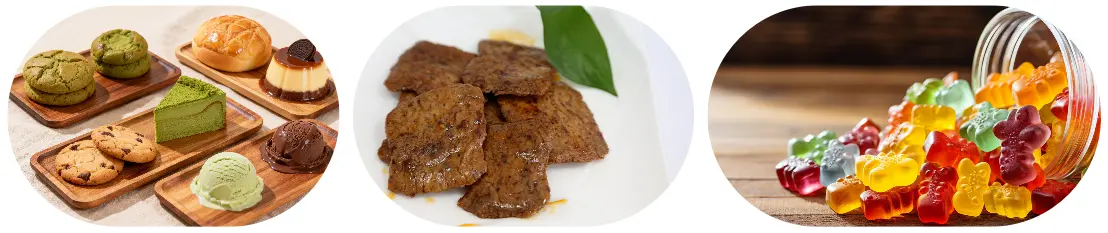
Bulk pea starch is now widely used in the candy business to make chewy candies, fruit jellies, and other gel-based treats. The starch's better ability to gel at lower amounts makes the short, stretchy texture that people expect from high-quality sweets. Manufacturers don't need to use modified starches or fake gelling agents to make gel structures that are hard but flexible. Pea starch works really well in starch mogul devices that are used to deposit sticky mixtures. The ingredient gives the surface uniform release qualities and surface characteristics, which lowers production problems caused by sticking or deformation. This working efficiency is very important for large-scale candy factories that have to meet strict quality standards.
Comparing Bulk Pea Starch to Other Starches for B2B Buyers
Functional Performance Characteristics
When looking at different kinds of starch, Bulk Pea Starch has clear practical benefits. It is more stable than regular corn, tapioca, or potato starches because it doesn't expand as much and has a lot of amylose. This makes it better for processing in harsh conditions like long-term heat, high shear forces, and acidic environments. This makes the behavior more predictable in a wider range of production situations. Gel strength tests show that pea starch is very good at building structures. Tests done in the lab show that pea starch gels are firmer and recover their structure better after cooling than tapioca starch gels of the same strength. When stable gel structures are needed, like in reformed foods and structured desserts, these qualities come in very handy.
Allergen Considerations and Dietary Compliance
Many choices about new recipes in modern food making are based on allergen management. Bulk pea starch has benefits because it is naturally gluten-free and comes from peas that aren't toxic. Pea starch doesn't pose much of a risk of cross-contamination, which is good for allergen-control programs. This is in contrast to corn starch, which may cause problems in facilities that process multiple allergens. The ingredient fits perfectly with vegan and veggie product positioning, Bulk Pea Starch, which is a market group that is growing in importance. Manufacturers of plant-based foods like pea starch don't come from animals and don't require testing on animals during production. This compliance makes the certification process easier for goods that want to get vegan society support or other third-party approvals.
Cost-Effectiveness and Supply Chain Factors
The price of bulk pea starch changes based on a number of factors, such as the supply of raw materials, the difficulty of processing, and licensing fees. At first, pea starch may be more expensive per kilogram than corn starch, but because it is more useful, it is often used less, which closes the total cost gap. Instead of just looking at the prices of raw materials, people who work in procurement should figure out how much a mixture will cost based on how much of it is needed. Supply chain robustness has become more important as global problems show how weak single-source ingredient tactics are. Pea starch is made in many places, such as North America, Europe, and Asia, which gives suppliers a choice of where to get their supplies. This spread out geographically makes the crops less reliant on a few growth areas that could fail because of bad weather or political unrest.
Procurement Insights: How to Source Quality Bulk Pea Starch
Essential Certifications and Quality Standards
When making sourcing choices, sellers should be pushed to keep their certification packages full. Organic approval from the USDA NOP or a similar organization in the EU makes sure that strict farming and processing rules are followed, which forbid synthetic chemicals and GMOs. These licenses need to be audited every year and come with a lot of paperwork. This makes sure that the quality control systems are always the same. With HACCP certification, you can show that you use structured risk analysis and key control point management all the way through production. Facilities that make large amounts of Bulk Pea Starch should have written HACCP plans that cover the biological, chemical, and physical risks that come with making starch. Verification of HACCP compliance keeps buyers safe from problems with contamination that could lead to expensive product returns.
Evaluating Supplier Capabilities and Support
The ability to provide technical help sets special sellers apart from commodity vendors. Food scientists and application experts work for the best bulk pea starch providers. They help customers with formula optimization, substitution ratios, and changes to processing parameters. Having access to this knowledge shortens the time it takes to make a product and cuts down on the cost of trying costly new formulations over and over again. Samples must be available for field testing, and this is a must when evaluating ingredients. Responsible sellers offer samples that are similar to the ones that will be used in commercial production. This lets you fully test the product's usefulness, sensory properties, and processing behavior before committing to large orders. Stability tests that mimic real-life storage and use situations should be part of sample testing.
Quality Verification and Testing Protocols
Every shipment of bulk pea starch should include a Certificate of Analysis document that shows the test results for important quality factors and is confirmed. Standard requirements include the amount of water, protein, ash, pH, measures of viscosity, and the number of microbes present. Buyers should set acceptable criteria for each parameter and refuse packages that don't meet those criteria. Heavy metal testing answers questions about food safety that are caused by pollution in the environment. Responsible suppliers test for lead, cadmium, arsenic, and mercury on a regular basis to make sure that amounts stay well below the standards set by the FDA and European officials. The fact that these tests are recorded gives people confidence that the materials are safe for food contact.
Future Trends and Opportunities with Bulk Pea Starch in Clean Label Markets
Regulatory Developments Favoring Natural Ingredients
More and more, regulations prefer natural, lightly processed Bulk Pea Starch products over synthetic ones. As part of its Farm to Fork plan, the European Commission wants to reduce the use of food chemicals and support organic farming. This makes it easier for Bulk Pea Starch to become popular. In North America, similar programs promote formulating with cleaner ingredient lists, which is good for natural starch substitutes. More openness standards are being added to labeling rules all the time. New guidelines from the FDA on "natural" claims and ongoing talks about front-of-package labeling put a lot of weight on ingredients that people know and understand. The fact that bulk pea starch is clearly a plant-based starch means that customers don't need much justification.
Innovation in the Making of Apps
 New processing methods are being used in research and development to make pea starch more useful. Using enzymes to change pea starches makes it possible to make them with specific qualities while still keeping the "clean label" status. Chemically changed starches used to be the only ones that could be used in certain situations, but these new discoveries open up new uses for natural options. Functional drinks are a new area where bulk pea starch can be used as a natural thickener and dissolving agent. Pea starch's low viscosity thickening is used by people who make protein shakes, smoothie bases, and healthy drinks to make the drinks satisfying to drink without being too heavy. This application fits in well with the larger trend toward drinks with added protein that are aimed at people who live busy lives. Pet food companies are using more and more human-grade products in their premium recipes, such as bulk pea starch. The starch helps wet pet foods and kibble stick together, and it also helps keep the food allergen-free, which is important to pet owners. This growth into a different area shows how useful pea starch is for things other than food.
Strategic Sourcing and Partnership Models
Companies that want to add bulk pea starch to their main product lines can benefit from long-term supply deals that ensure availability and stable prices. Progressive sellers offer multi-year contracts with prices that are set to protect both parties from huge changes in the market. These relationships help both buyers and sellers plan production and keep track of goods better. When food makers and starch providers work together to develop new products, innovation happens faster. Joint development deals use the technical know-how of suppliers and market information from customers to make recipes that work better and cost less while still meeting certain goals. When companies work together, they often come up with their own ideas that give them an edge in the market. Vertical integration tactics are another new trend. For example, some food companies are getting directly in touch with pea farmers. This "farm-to-factory" method guarantees a steady supply, supports stories about sustainability, and might lower costs by cutting out middlemen. Such tactics need a lot of money to be put into them, but they pay off in the long run for brands that put supply chain security first.
Conclusion
You can find Bulk Pea Starch where functionality, sustainability, and "clean label" marketing all come together in modern food production. Because it is naturally extracted, gels better, and doesn't contain allergens, it is a very useful ingredient for companies that are changing the way they make goods to meet changing customer needs. Pea starch works consistently in a wide range of foods, from gluten-free baked goods to plant-based meats and ready-to-eat foods, and it makes ingredient lists easier to read. As regulations support natural ingredients more and more and customers demand more openness, procurement professionals who find reliable sources of certified organic bulk pea starch put their companies at a competitive edge in the growing clean label markets.
FAQ
1. How does storage affect bulk pea starch quality and shelf life?
If you store bulk pea starch properly, below 25°C and 60% relative humidity in its original package, it will keep working for 24 months. Moisture intake is the main risk of degradation, which could cause clumps and the growth of microbes. Warehouses should use first-in, first-out product turnover and check the integrity of the packing on a regular basis. Once opened, putting the ingredients in sealed containers and using them within six months will ensure the best performance in recipes.
2. Can bulk pea starch substitute directly for corn starch in existing formulations?
Most of the time, substitution ratios run from 0.7:1 to 0.9:1 when Bulk Pea Starch is used instead of corn starch because it gels better. Product makers should do sample tests that take into account changes in the temperature at which the gelatin forms, the development of viscosity, and the end texture. For some uses, preparation factors, especially cooking temperatures and holding times, may need to be changed. Talking to technical experts during reformulation reduces problems with adjustments and speeds up the start of a good product.
3. What documentation should buyers request when sourcing bulk pea starch?
Full buying packages come with Certificates of Analysis that prove the specifications, organic certificates from recognized bodies, allergen statements that say there is no cross-contamination, non-GMO verification papers, and specification sheets that list the functional qualities. Third-party audit reports, tracking records that link shipments to fields where they came from, and safety data sheets may be needed as well. Before placing large orders, making sure that production batches match quality representations can be done by asking for examples with matching COAs.
Partner with YTBIO for Premium Bulk Pea Starch Supply
YTBIO ships certified organic Bulk Pea Starch that meets the strict needs of clean-label food producers in Europe and North America. Our wide range of certifications includes USDA NOP, EU Organic, HACCP, ISO9001, Kosher, and Halal checks, which make sure that your formulas meet all the different market and legal requirements. As a well-known bulk pea starch provider, we keep the quality high by following strict testing procedures and working directly with approved organic farms. This way, we can track the quality from the field to the facility. Our technical team can help with formulation, application, and making pilot-scale samples so that you can make informed choices about product development. Get in touch with our purchasing agents at sales@sxytorganic.com to ask for samples, look over certification paperwork, and talk about your bulk pea starch needs with professionals who are dedicated to helping you reach your clean label innovation goals.
References
1. Ratnayake, W.S. and Jackson, D.S. (2008). "Starch Gelatinization: Advances in Understanding Functional Properties of Native and Modified Starches." Journal of Cereal Science, Volume 48, Issue 2, Pages 345-363.
2. Hoover, R. and Ratnayake, W.S. (2002). "Pea Starch: Composition, Structure and Properties—A Review." Starch/Stärke, Volume 54, Issue 6, Pages 217-234.
3. Boye, J., Zare, F., and Pletch, A. (2010). "Pulse Proteins: Processing, Characterization, Functional Properties and Applications in Food and Feed." Food Research International, Volume 43, Issue 2, Pages 414-431.
4. Clean Label Conference Proceedings (2022). "Natural Alternatives to Modified Starches in Food Manufacturing." European Food Technology Summit, Amsterdam.
5. Shand, P.J., Ya, H., Pietrasik, Z., and Wanasundara, P.K.J.P.D. (2007). "Physicochemical and Textural Properties of Heat-Induced Pea Protein Isolate Gels." Food Chemistry, Volume 102, Issue 4, Pages 1119-1130.
6. United States Department of Agriculture (2021). "Organic Certification and Standards for Plant-Based Ingredients." Agricultural Marketing Service Technical Report Series.