How Can Vegetarians Scientifically Supplement Protein? An Introduction to Several Common Plant Protein Sources
With the development of plant-based diets, clean labeling, and sustainable nutrition concepts, plant protein has gradually become an important raw material for the food and nutrition industry. For vegetarians, obtaining sufficient and balanced protein through their daily diet is a crucial issue in nutrition management. Different plant proteins vary in amino acid composition, digestibility, protein content, and processing characteristics. Therefore, rationally selecting protein sources and combining different plant proteins can help improve the nutritional quality of dietary protein.
This article will introduce several common and representative plant proteins, analyzing the selection and development directions of different plant proteins from their nutritional and application perspectives.
I. Common Plant Protein Sources
1. Soy Protein
Soybeans are one of the important sources of plant protein, containing all nine essential amino acids for the human body. Their protein quality is highly representative among plant proteins. Soybeans can be further processed into soy protein isolate, soy protein concentrate, and textured soy protein, which have high protein content and good emulsifying, gelling, and water-holding properties.
**Food Industry Applications:** Widely used in plant-based meat, plant-based beverages, protein powder, nutrition bars, meal replacement foods, plant-based protein drinks, and baked goods.
2. Pea Protein
Pea protein is mainly extracted from yellow peas. It has a high protein content and is relatively rich in lysine, but relatively low in sulfur-containing amino acids. It has certain emulsifying, foaming, and water-holding abilities.
Food Industry Applications: Commonly used in plant-based protein powder, sports nutrition foods, meal replacement powders, protein bars, plant-based meat, solid beverages, and fortified foods.
3. Quinoa Protein
Quinoa's nutritional composition differs from common grains. Quinoa contains various essential amino acids, and its lysine content is higher than that of common grains such as wheat and corn.
In addition to protein, quinoa also contains dietary fiber, magnesium, iron, and other nutrients, making it suitable for developing plant-based foods with diverse nutritional characteristics.
Food Industry Applications: Can be used in cereal nutrition powders, meal replacement foods, plant protein mixes, breakfast cereals, nutrition bars, and healthy baked goods.
4. Chickpea Protein
Chickpeas are a common legume with a relatively high protein content, along with dietary fiber, folic acid, iron, and minerals.
Chickpea protein possesses emulsifying, foaming, and water-holding properties, and chickpea flour is widely used in both traditional and modern plant-based food development.
Food Industry Applications: Commonly used in chickpea protein powder, plant-based meat, plant-based snacks, baked goods, meal replacement powders, ready-to-eat foods, and compound plant protein products.
5. Black Bean Protein
Black beans are a special type of soybean. In addition to plant protein, they also contain anthocyanins and other polyphenols.
The amino acid composition of black bean protein is similar to that of regular soybean protein, and its natural pigments and polyphenols give it an advantage in the development of specialty foods.
Food Industry Applications: Can be used in black bean protein powder, plant protein beverages, cereal powders, compound meal replacement powders, plant protein bars, and specialty nutritional foods.
6. Rice Protein
Compared to some legume proteins, rice protein has a lower burden of common food allergens, is lactose-free, and contains no soy protein. Its main characteristic is a relatively rich content of sulfur-containing amino acids, but a lower lysine content.
Food Industry Applications: Widely used in plant protein powders, sports nutrition products, meal replacement powders, solid beverages, protein bars, and hypoallergenic foods.
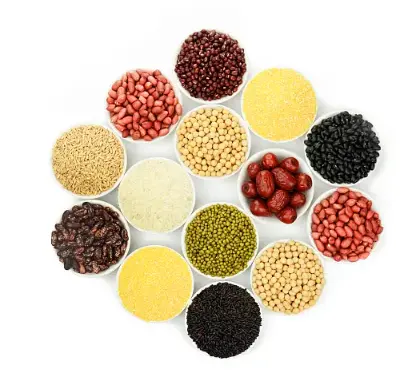
7. Oat Protein
Oats are not only a common grain food but also a source of plant protein. Oat protein contains different protein components such as globulins and prolamins, as well as dietary fiber such as beta-glucan.
Food Industry Applications: Mainly used in breakfast cereals, plant protein beverages, nutritional powders, meal replacement foods, protein bars, and baked goods.
8. Pumpkin Seed Protein
Pumpkin seeds are not only rich in fats and minerals but are also a plant protein source with development potential. Its protein content is affected by the variety of raw materials, the degree of defatting, and the processing technology, exhibiting certain raw material characteristics. Pumpkin seed protein contains various essential amino acids, as well as arginine and other amino acids, showing potential for application in plant protein blends and the development of specialty nutritional foods.
Food Industry Applications: Suitable for plant protein powders, compound protein beverages, nutrition bars, meal replacement foods, baked goods, and plant-based nutritional products.
9. Spirulina Protein/Phycocyanin
Spirulina is a microalgae raw material with a high protein content. In addition to protein, spirulina also contains phycocyanin, carotenoids, and various micronutrients. Phycocyanin is a representative natural pigment protein of spirulina.
Food Industry Applications: Commonly used in spirulina protein powder, compound plant protein powder, solid beverages, nutrition bars, green foods, and fortified foods.
II. How to Combine Different Plant Proteins?
The amino acid composition of plant proteins varies. Therefore, in product development, rationally combining proteins from different sources helps to improve the overall amino acid composition.
Common protein blending approaches include:
1. Pea Protein + Rice Protein
Pea protein is high in lysine but relatively low in sulfur-containing amino acids; rice protein, on the other hand, is relatively rich in sulfur-containing amino acids but low in lysine. Combining them achieves a degree of amino acid complementarity and is a common combination in plant-based protein powder development.
2. Soy Protein + Cereal Protein
Combining soy protein with oat, rice, and other cereal proteins can enrich the product's protein source and optimize its amino acid composition, flavor, and processing performance.
3. Pumpkin Seed Protein + Pea Protein
These two protein ingredients can form differentiated compound plant protein formulations while enriching the product's raw material sources. The specific ratio needs to be adjusted based on amino acid composition, sensory performance, and product objectives.
4. Multiple Plant Protein Blends
For compound protein powders, meal replacement powders, and plant-based beverages, soybean, pea, rice, oat, and seed proteins can be combined according to product positioning, comprehensively considering protein content, amino acid score, digestibility, solubility, and flavor.
III. Applications and Trends of Plant Protein Raw Materials
With the development of plant-based foods and nutritional supplements, the application of plant protein has gradually expanded from traditional soy products to more industrialized food sectors.
Currently noteworthy development directions include:
1. Compound Plant Protein Powder
Scientifically compounding plant proteins from different sources improves amino acid composition, flavor, and product texture, suitable for daily nutritional supplementation, sports nutrition, and plant-based protein products.
2. Plant Protein Solid Beverages
Combining pea protein, rice protein, soy protein, etc., with fruit and vegetable powders, dietary fiber, vitamins, and minerals to develop solid beverages with different flavors and nutritional profiles.
3. Plant Protein Bars and Meal Replacement Products
Utilizing the nutritional fortification value of plant protein, combined with grains, nuts, seeds, and dietary fiber, convenient protein bars, nutrition bars, and meal replacement products are developed.
4. Plant-Based Foods
Plant proteins, with their gelling, emulsifying, water-holding, and texturizing properties, can be used in plant-based meat, plant-based beverages, and other alternative foods.
5. Clean Labels and Specialty Plant Proteins
Consumers' focus on raw material sourcing, formulation transparency, and plant-based nutrition has driven the development of specialty ingredients such as pumpkin seed protein, oat protein, and chickpea protein, providing more options for product differentiation.
Different plant proteins offer different advantages. Only by combining nutritional indicators with actual processing needs can the most suitable raw materials and formulation solutions be selected for the target product.
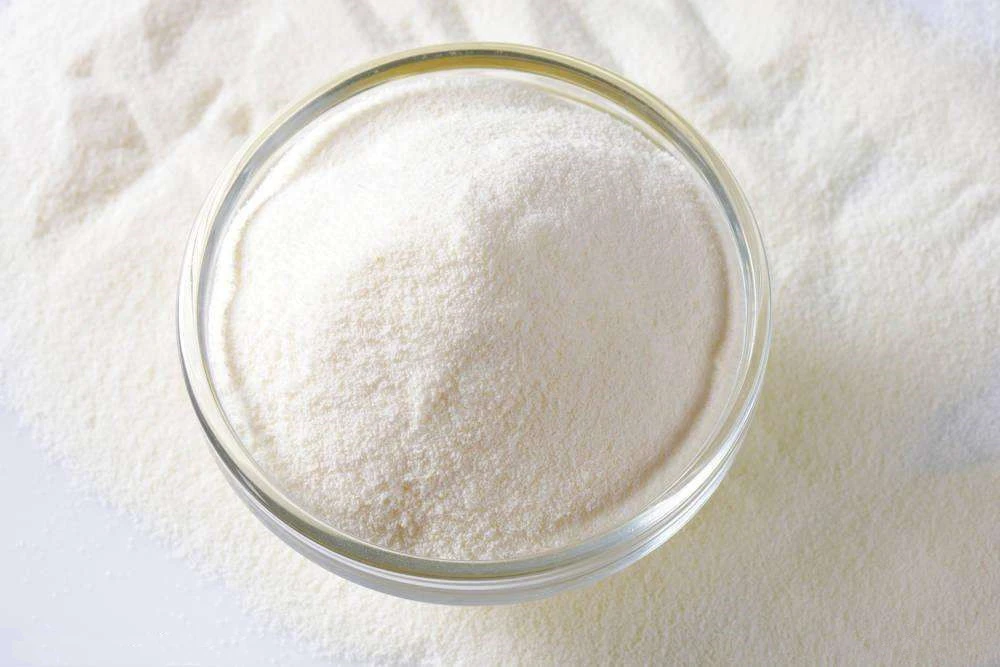
YTBIO Plant Protein Raw Materials and Customization Services
YTBIO focuses on supplying plant extracts, nutritional supplements, and food ingredients, providing global food manufacturers, nutrition brands, and formulation development companies with a wide selection of plant-based raw materials.
In the plant protein field, we can provide plant proteins and related plant-based nutritional ingredients from different sources according to our clients' product positioning and formulation needs, and support sample applications, specification confirmation, and customized product development.
Whether it's compound plant protein powder, protein solid beverages, nutrition bars, or plant-based nutritional foods, we can provide one-stop OEM/ODM services covering raw material selection, formulation design, product dosage forms, and packaging requirements.
If you are looking for plant protein raw material suppliers or planning to develop new plant-based nutritional products, please contact YTBIO to obtain product specifications, samples, and customization solutions.
Tel:86-029-86478251 / 86-029-86119593
Whatsapp:8617782577059
Email:sales@sxytorganic.com