How to Use Reishi Extract in Coffee or Tea for Balance?
By blending the mushroom's adaptogenic characteristics with coffee or tea, Reishi Extract balances alertness and calm. To maintain bioactive ingredients like polysaccharides and triterpenes, dosing—500-1500mg of standardized extract powder per serving—and timing after brewing are crucial. This ancient medicinal mushroom turns regular drinks into useful wellness beverages that boost immunity, mental clarity, and stress reduction.
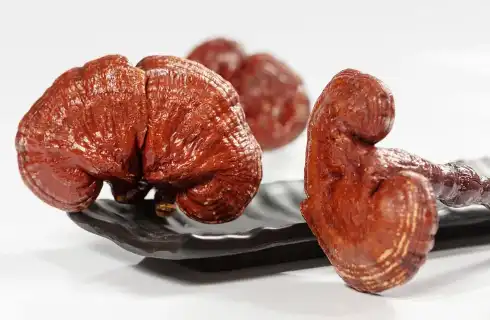
Understanding Reishi Extract and Its Benefits in Beverages
Traditional medicine calls Ganoderma lucidum the "mushroom of immortality" and Reishi Extract is a concentrated form of it. Dual-extraction methods capture water-soluble polysaccharides and ethanol-soluble triterpenes, concentrating bioactive chemicals compared to raw mushrooms. This concentration gives procurement experts consistent potency levels from 4:1 to 20:1 extract ratios for reliable formulation. Good reishi products function well in drinks due to their compounds. Megazyme techniques demonstrate that good samples comprise 10–50% polysaccharides and 10–30% beta-glucan. Triterpene concentrations are usually 1%–10%. They give coffee its bitter taste, which oddly complements its natural flavor.
Immune System Enhancement Through Beverage Integration
Scientists have discovered that the carbs in reishi boost defense cells without overstimulating the body. Putting these things in your coffee or tea in the morning will help your defense system all day. Polysaccharides are great for getting out of hot drinks because they dissolve in water. In this way, people can drink the same drinks they usually do and still get immune-boosting effects.
Stress Adaptation and Mental Balance
The adaptogenic properties of reishi really shine when mixed with drinks that have energy in them. Triterpene chemicals help keep cortisol in check and help the liver work. This gives you steady energy without the ups and downs that coffee does. This mix works especially well for companies that make drinks for health-conscious people who want energy that lasts without crashing.
Antioxidant Protection in Daily Beverages
There are antioxidants in reishi extract that help protect against oxidative stress. These antioxidants work better with antioxidants found in coffee and tea. This two-part defense system is good for people who want an easy way to protect their cells and slow down the aging process every day.
How to Properly Use Reishi Extract in Coffee or Tea for Optimal Results
To get the most out of reishi mushroom extract in drinks, make sure you use the right amount, cook them at the right time, and make sure they taste good. People who make drinks can make products that regularly are good for you without losing taste if they know these technical details.
Optimal Dosing Guidelines for Different Applications
Depending on extract concentration ratio, consume up to 1500 mg of reishi extract powder daily. Functional coffee mixtures often contain 250 to 500 mg per serve to highlight adaptogenic advantages while reducing costs. High-end workout items that reduce stress or boost the immune system function best at 1000–1500 mg. The 80–120 mesh diameters ensure particle breakdown in hot drinks. For perfect integration and no rough areas that could damage the user experience, elite extracts must travel through 80-mesh sieves.
Step-by-Step Preparation Methods
When extract is added, taste mixing and component retention improve greatly. Adding reishi extract after the drink cools to 140°F or 160°F after the initial boil protects heat-sensitive carbohydrates while allowing appropriate breakdown. Extraction works best without destroying useful compounds at these temperatures. Make a paste with hot water to use the extract in coffee. Then add paste to coffee. This procedure spreads the drink's ingredients and prevents sticking.
Flavor Balancing Techniques
Triterpenes' bitterness gives coffee a dark roast-like complexity. Honey, cinnamon, and ginger can balance tea's earthy, bitter characteristics. It will taste like extract. Recipe authors can improve meals by understanding pH stability. Because it maintains a pH between 3.5 and 7.0, Reishi Extract works with most coffee and tea without balancers.
Selecting the Right Reishi Extract for Your Business Needs
If you want to buy things from other businesses, you need to know the technical details and quality signs that tell the difference between high-priced reishi products and cheaper ones. You can choose from a lot of different extraction methods and quality grades, so it's important to do your research before making your decision.
Quality Specifications and Certifications
Premium Reishi Extract has certain physical characteristics that demonstrate its effective processing. The best extracts are a dark chocolate to rich brown color. Most of the time, darker colors mean that there are more triterpenes or that the extraction ratio has been raised. Some important quality factors are using UV-VIS spectroscopy to check the carbohydrate content, Megazyme ways to measure the amount of beta-glucan, and HPLC tests to look at triterpenes. The level of lead must be less than 2ppm, the level of arsenic must be less than 1ppm, and the level of mercury must be less than 0.1ppm.
Organic Certification Benefits
For high-end markets, USDA and EU Organic certifications give goods an edge. They also make sure that the products are sourced in a way that doesn't hurt the earth. It is clear from these approvals that the foods are non-GMO, were grown without pesticides, and are good for the earth. Customers who care about their health and business buying practices care more and more about all of these things.
Full-Spectrum vs. Isolated Extracts
Full-spectrum extracts get both water-soluble and ethanol-soluble chemicals by using two different extraction methods. This means that they have all of the health benefits. Separate samples that focus on a single class of chemicals are not the same as this method. It gives formulators more ways to try to get certain health effects or lower costs. If buying teams know the difference between mycelium-on-grain and fruiting body sources, they can stay away from goods that are watered down with starch fillers. Because they don't have any grain base pollution, which can make them less effective, fruiting body products have more active chemicals.
Comparing Top Reishi Extract Suppliers and Brands for Bulk Purchase
You can buy reishi extracts from well-known supplement companies, companies that only make mushroom extracts, and new companies that make organic ingredients. Find out about the pricing systems, quality assurance programs, and supply chain features that make it possible to make goods that can be scaled up before you decide which ones to make. Many of the big names in the reishi extract market have strict quality control systems and clear ways of checking their products. Firms like Host Defense care about things like organic farms and mining standards. Gaia Herbs, on the other hand, uses both old-fashioned ways of extracting herbs and newer ways to make sure the quality of their products.

Pricing and Packaging Considerations
The price of Reishi Extract in bulk changes based on how much you buy, whether it is certified organic, and the amount of extraction used. Most of the time, standard 10:1 extracts are cheaper than high-concentration 20:1 goods. However, for high-end uses, higher concentrations may be better because they cost less per dose. Moisture-barrier drums are a good way to pack for large-scale production. Test runs should be done in smaller containers, and private label uses can get unique packing options. When buying teams know the minimum order amounts, they can figure out how to balance the costs of stock with the safety of a supply chain.
International Logistics and Compliance
When you get your supplies from other countries, you need to keep track of import rules, customs paperwork, and the rules for keeping the extract cold. The biggest sellers work with specialized shipping companies that know how to bring nutraceuticals into the country and follow all the rules. Verification testing by a third party through independent labs helps make sure the quality is good and shows that the law is being followed. This test looks for bacterial safety, heavy metal pollution, and the presence of active ingredients. All of these are necessary for FDA approval and to sell in foreign markets.
Practical Use Cases and Success Stories in B2B Procurement
Real-life examples of reishi mushroom extract in coffee and tea show that it is possible to make and sell drinks that are good for you and contain adaptogenic mushrooms. Product development teams and procurement workers can use these cases to help them look at the market.
Functional Coffee Product Lines
Some specialty coffee makers are able to successfully add Reishi Extract to instant coffee mixes that are aimed at people who are health-conscious. Most of the time, these products combine 300–500 mg of standardized extract with high-quality coffee beans to create simple, useful drinks that boost the immune system and lower stress. The people who work on new products say that reishi's bitter taste makes coffee more interesting without adding any fake flavors. Studies that look at how well people accept marketing messages that stress "balanced energy" and "immune support" do well when combined with clear information about where the ingredients come from.
Adaptogenic Tea Formulations
For evening herbal mixes, use reishi extract, which comes from mushrooms that are known to calm people down, along with herbs that are typically used to help people rest, like chamomile and lavender. These items are good for people who want natural alternatives to common sleep aids. Reishi polysaccharides fall apart in water, so they work great in tea bags. The ingredients are most effective when steeped for a longer time. Quality control steps make sure that every batch of a product is the same strength and taste, which is important for customers to want to buy again.
OEM Manufacturing Success
People who make contracts say that new health brands want more unique reishi coffee and tea mixes. Companies in these types of partnerships usually work together to make new goods, make sure they follow the rules, and improve their supply lines. This helps them reach their specific goals for positioning in the market. To have a good OEM relationship, you need to be able to find good base materials, be able to change the minimum order number, and have a lot of paperwork to back up your marketing and health claims. Smaller brands can get high-quality goods this way and keep their prices low.
Conclusion
Reishi Extract integration into coffee and tea represents a compelling opportunity for beverage manufacturers seeking to capitalize on the growing functional foods market. Success requires understanding proper dosing protocols, quality specifications, and supplier evaluation criteria that ensure consistent product performance and consumer satisfaction. The dual-extraction properties of premium reishi extracts provide comprehensive health benefits while complementing traditional beverage flavors, creating products that appeal to wellness-focused consumers without sacrificing taste or convenience.
FAQ
1. What is the recommended daily dosage for reishi extract in beverages?
Most therapeutic amounts are between 500 mg and 1500 mg per day, and most functional drinks have between 250 mg and 500 mg per serve. What you want to achieve with your health and the amount you take will determine the best dose. Higher amounts work well for high-end health products that are meant to do specific things, like lower stress or boost the immune system.
2. How does reishi extract affect the taste of coffee and tea?
To my surprise, adding Reishi Extract to coffee makes it taste bitter and earthy, which brings out the natural sweetness of the coffee, making it taste more like dark roast. When used in tea, adding cinnamon, honey, or ginger can smooth out the bitter triterpene compounds while keeping the health benefits of the drink.
3. What is the difference between fruiting body and mycelium extracts?
Since fruit body goods don't have any grain substrates in them, they have more active beta-glucans and triterpenes than grain substrates. This type of food often has up to 50% sugar from the growth medium, which makes it less powerful. Body items made from 100% fruits are good for professionals to use because they always help with therapy.
Partner with YTBIO for Premium Reishi Extract Supply
YTBIO makes pharmaceutical-grade Reishi Extract that is meant to be used in functional drinks. As a trusted Reishi Extract supplier, they do this through two separate extraction methods and strict quality control systems. Our organic extracts are approved by the USDA NOP, the EU Organic, and ISO9001, which are all very strict worldwide standards. This means they will always work and follow all the rules you need for making your product. Because we work with Reishi Extract sources, we can make a lot of it while still keeping the high quality that your brand needs. These providers follow strict rules for low levels of heavy metals, uniform polysaccharide content, and confirmed beta-glucan amounts. You can email our sourcing experts at sales@sxytorganic.com to talk about custom recipes, bulk discounts, and technical support for your next line of useful coffee or tea goods.
References
1. Wachtel-Galor, S., Yuen, J., Buswell, J. A. "Ganoderma lucidum (Lingzhi or Reishi): A Medicinal Mushroom." Herbal Medicine: Biomolecular and Clinical Aspects, 2011.
2. Ahmad, M. F. "Ganoderma lucidum: Persuasive biologically active constituents and their health endorsement." Biomedical and Pharmacotherapy, Vol. 107, 2018.
3. Bishop, K. S., Kao, C. H., Xu, Y. "From 2000 years of Ganoderma lucidum to recent developments in nutraceuticals." Phytochemistry, Vol. 114, 2015.
4. Cör, D., Knez, Ž., Knez Hrnčič, M. "Antitumour, Antimicrobial, Antioxidant and Antiacetylcholinesterase Effect of Ganoderma lucidum Terpenoids and Polysaccharides." Molecules, Vol. 23, 2018.
5. Jin, X., Ruiz Beguerie, J., Sze, D. M. "Ganoderma lucidum (Reishi mushroom) for cancer treatment." Cochrane Database of Systematic Reviews, 2016.
6. Paterson, R. R. M. "Ganoderma – A therapeutic fungal biofactory." Phytochemistry, Vol. 67, 2006.