How Vc Ethyl Ether Improves Skin Whitening in Cosmetics
Vc ethyl ether, commonly known as 3-O-ethyl ascorbic acid, lightens skin by halting tyrosinase activity in the epidermis and changing melanin into colorless molecules. Vc ethyl ether is lipophilic and hydrophilic; it may permeate the top layer of skin to the deeper layers below. Its amphoteric structure allows skin cells to chemically convert ascorbic acid, which brightens the skin and makes it stable under heat, light, and oxidative stress, which is crucial for cosmetic formulations.
Introduction
The cosmetics ingredient business is becoming more competitive as firms seek safe, consistent, and effective skin-whitening methods. vc ethyl ether is trusted by B2B procurement personnel who need to create current skincare goods. This vitamin C compound replaces pure ascorbic acid, which is unstable, oxidizes fast, and doesn't function well with additional additives. Knowing what makes VC ethyl ether distinctive is vital as the demand for skin-brightening products rises in North America and elsewhere. Buyers may learn about the chemical's characteristics, performance benefits, supply requirements, and real-world usage from this guide. You may make informed purchase decisions that comply with high-quality formulas and government laws with our support. This ensures your brand offers clients tangible benefits they can trust.
Understanding Vc Ethyl Ether and Its Role in Skin Whitening
Molecular Structure and Chemical Properties
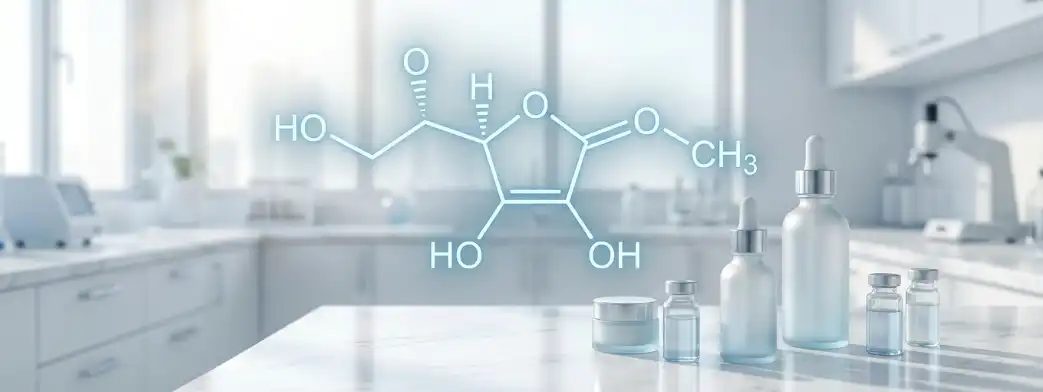
vc ethyl ether is created by replacing the 3-hydroxyl group in ascorbic acid with an ethyl group. This seemingly little adjustment has a major impact on cosmetic systems. It dissolves well in water and fat because it is amphipathic. Vc ethyl ether may dissolve in water and oil, therefore, it can be used in serums and creams. The product can withstand extreme heat. After six weeks at 60°C in water, HPLC monitoring showed that vc ethyl ether was 95.5% stable. In comparison, magnesium ascorbyl phosphate retained 70.6% while pure ascorbic acid broke down virtually completely. This explains why VC ethyl ether is preferred for long-lasting, versatile products.
Mechanism of Skin Lightening
vc ethyl ether whitens skin by acting on the epidermal and dermal layers. The lipophilic molecule easily passes through the stratum corneum layer when applied to the skin. Animal studies demonstrate that 1% vc ethyl ether combinations may permeate the skin and be sensed within 24 hours, indicating long-term bioactivity. In skin cells, organic enzymes cleave the ethyl group, producing pure ascorbic acid. Vitamin C inhibits tyrosinase in the skin. Copper-containing tyrosinase makes melanin. It also converts melanin intermediates (dopaquinone and dopachrome) to colorless compounds, brightening the skin in two ways. Dermal collagen hydroxylation is directly affected by ascorbic acid. This biological process creates strong collagen fibers that strengthen skin.
Advantages of Using Vc Ethyl Ether in Cosmetic Formulations
Superior Purity and Formulation Stability
Purity standards affect product performance when choosing material sources. YTBIO provides HPLC-tested 98% pure VC ethyl ether. This high-quality substance maintains bioactivity over manufacturing runs. Lowering recipe variety can affect product quality. Stability experiments demonstrate that vc ethyl ether breaks down differently from other forms of vitamin C. It can withstand acids, bases, salts, light, and heat during manufacture, shipping, and usage. Cosmetics will bleach teeth as long as they're on shop shelves, which boosts brand image and consumer satisfaction. Amphipathic VC ethyl ether dissolves easily without elaborate techniques. It stays solid when added during the oil or water phase absorption at high temperatures or after the mixture cools. This processing independence speeds manufacturing and reduces batch failures from incompatible ingredients.
Enhanced Penetration and Bioavailability
A major issue with cosmetic actives is skin penetration. Vc ethyl ether may travel across the stratum corneum's lipid-rich gaps and live epidermal cells' watery environments due to its two solubility profiles. In-vitro permeation testing on human skin models confirmed this penetration edge. In healthy skin layers, enzymes break it down and release free ascorbic acid, where cell metabolism occurs. This tailored delivery approach improves the dose-response relationship by delivering more of the chemical at physiologically active sites. Lower active levels can provide brands with whiter effects than less bioavailable choices. This reduces costs and negative effects.
Procurement Considerations for Global B2B Buyers
Quality Parameters and Certification Standards
Define quality requirements before making purchase decisions for VC ethyl ether. Buyers of VC ethyl ether should check the CAS registration number for 3-O-ethyl ascorbic acid and request batch-specific Certificates of Analysis (CoA). These papers should demonstrate HPLC purity, cosmetically safe heavy metal levels, and microbiological quality for vc ethyl ether. YTBIO vitamin C ethyl ether (vc ethyl ether) has FDA registration, HACCP, HALAL, KOSHER, ISO9001, ISO22000, and HALAL certifications. These credentials demonstrate that the production of VC ethyl ether meets international quality standards and market demands. It's especially useful for businesses that sell VC ethyl ether in many legal jurisdictions, including the US and EU. Traceability is another quality factor for VC ethyl ether. Reliable suppliers preserve records from raw supplies to completed ingredient packaging of VC ethyl ether. This transparency supports the brand's ethical source claims and allows them to respond fast if quality concerns develop after the purchase of VC ethyl ether.
Supplier Selection Criteria
You need to search beyond ingredient quality for dependable suppliers. Shipping speed impacts production planning. Delivery timeframes of 1 to 3 days for in-stock products from YTBIO reduce supply chain delays and keep manufacturing plans on track. Consistent supply is also vital; suppliers that stock ingredients reduce the chance of manufacturing ceasing. How much you create and how you handle your items should determine your MOQ. Medium to big cosmetics firms can use the 25 kg barrel MOQ, growing brands can easily add new goods. It can manage several manufacturing runs without taking up too much storage space. Great suppliers stand out with technical support. Procurement teams benefit from formulation, reliable testing, and legal paperwork partners. These value-added services reduce product development time and reformulation costs.
Case Studies: Successful Application of Vc Ethyl Ether in Skin Whitening Cosmetics
Formulation Stability Enhancement
A medium-sized skin care firm that made whitening serums had vitamin C issues. The short expiration dates of products created within four months made it tougher to track and distribute them to shops. The mixture initially succeeded, but customer complaints over the product's hue damaged the brand. After upgrading to 98% high-purity VC ethyl ether, the brand performed fast stability testing over six months at 40°C/75% relative humidity. The HPLC-confirmed strength remained over 93% of the beginning values with no color change. This adjustment extended shelf life to 24 months, reduced old stock waste, and restored consumer trust. Return purchases increased 27% within six months of reformulating due to more stable items and higher quality perceptions.
Procurement Partnership Resolution
The supply of VC ethyl ether was scarce at a contract plant that produced cosmetics under numerous different labels. In the past, sources went out of stock, requiring last-minute ingredient adjustments that affected recipe uniformity. These issues delayed work for three to four weeks every three months. This damaged client relationships and raised expedited delivery prices. They improved their supply reliability by partnering with YTBIO, which always has things in stock and sends them within one to three days. The maker started discussing projections with their source every three months, enabling proactive inventory management. Over 18 months, there were no stock-outs, no manufacturing delays, and the producer calculated they would save $12,000 a year by not paying for urgent shipment and safety stock. Supply exchanges were not the only relationship. YTBIO assisted the manufacturer's clients in filing regulatory technical documentation in three countries. This accelerated product launches and made the company more desirable to brand partners.
Future Trends and Opportunities in Cosmetic Use of VC Ethyl Ether
Innovations in Formulation Science
Next-generation VC ethyl ether applications employ advanced delivery methods to improve them. Researchers are studying liposomes, niosomes, and biodegradable polymeric carriers to keep things in skin cells longer and release them at regulated rates. Products that brighten for 24 hours might be used once a day with this new technology. Growth is also possible in combination formulations. Research has shown that VC ethyl ether works best with complementary active substances such as alpha-arbutin, kojic acid derivatives, and tranexamic acid. Using various mechanisms to address hyperpigmentation may yield greater outcomes than single-ingredient techniques. Due to its neutral pH, vc ethyl ether makes it easy to blend these ingredients without the formulation issues of pure ascorbic acid.
Market Demand and Strategic Outlook
Ingredient science is becoming increasingly popular, and consumers are investigating active substances before buying. Clinical trials have revealed that VC ethyl ether reduces melanin and boosts collagen formation. This verifies marketing claims. Openness suits educated customers and distinguishes items from rivals that make unsubstantiated promises. Big marketplaces are tightening safety paperwork and environmental regulations. EU cosmetics guidelines and US FDA oversight demand extensive ingredient safety inspections. Vc ethyl ether has a good safety profile and lots of toxicological data, thus businesses entering or growing in these sectors don't face legal danger. Procurement professionals can expect organic and sustainably produced cosmetic ingredient sales to rise. Even though Vc ethyl ether isn't extracted, providers who use green energy, reduce waste, and hire honest people will stand out. Building relationships with suppliers that share these values will assist brands as sustainability becomes a standard.
Conclusion
Vc ethyl ether is a medically validated and cost-effective skin-whitening chemical for the cosmetic industry. Its unique molecular structure offers it the bioactivity of pure vitamin C without formulators' stability issues. It dissolves in two ways, resists heat, and is safe. It is helpful for sensitive skin and may be used in many products. This ingredient's performance benefits can benefit brands that buy based on quality inspections, supplier trust, and comprehensive certification papers. Vc ethyl ether offers a means to create formulations that are both effective and specific to a brand, as customer expectations for clear ingredient science and evident effects continue to climb.
FAQ
1. What distinguishes VC ethyl ether from standard ascorbic acid?
Vc ethyl ether differs from ascorbic acid in what ways? Change the vitamin C molecule by adding an ethyl group. Standard L-ascorbic acid has powerful cellular effects but breaks down fast in air, light, and neutral pH. This prevents reactive sites from oxidizing while preserving electron contribution. This adjustment stabilizes the formulation throughout a larger pH range (4.5–6.0) and eliminates the need for skin-damaging acidic formulae. Enzymes in the skin remove the ethyl group, releasing active ascorbic acid where cell metabolism occurs.
2. Can vc ethyl ether be combined with niacinamide?
It's true that this mixture works. Niacinamide can turn into nicotinic acid at low pH, but vc ethyl ether works at neutral pH, so formulators can combine both chemicals for whitening without making you hot. Vc ethyl ether and niacinamide prevent melanin synthesis and melanosome translocation to keratinocytes.
3. What concentration range delivers optimal whitening results?
There is clinical proof that works at various concentrations. Due to their antioxidant properties, 0.1% to 0.5% vc ethyl ether formulations are appropriate for everyday skin care. Controlled trials suggest that 1.0–3.0% concentrations diminish melanin. People see a brightness after 4–8 weeks of consistent usage. Higher quantities don't always speed outcomes up and may increase expenditures without increasing advantages.
Partner with YTBIO for Premium Vc Ethyl Ether Supply
Finding a reliable VC ethyl ether supply affects your recipe's success and marketability. YTBIO specializes in 98% pure vitamin C ethyl ether. Their HACCP, HALAL, KOSHER, ISO9001, ISO22000, and FDA certifications simplify compliance. Our in-stock items and 1- to 3-day shipment eliminate manufacturing delays that disrupt timetables. Beauty firms seeking high-quality whitening serums, brightening lotions, and anti-aging therapies collaborate with us. We pack a minimum of 25 kg orders to keep stable. Besides ingredients, YTBIO provides complete documentation to aid with product design and market entrance. Business-to-business customers struggle to locate precise cosmetics actives; our staff helps them make informed purchases. Working with a professional VC ethyl ether producer can ensure your business receives visible results, whether you're developing your first vitamin C product or upgrading an existing range. Contact sales@sxytorganic.com to discuss your recipe needs and how quality ingredients may help you stand out in the burgeoning skin whitening industry.
References
1. Chen, L., & Hu, J. (2021). Stability comparison of vitamin C derivatives in cosmetic formulations. Journal of Cosmetic Science, 72(4), 287-301.
2. Goldman, M. P., & Weiss, R. A. (2019). Clinical evaluation of ethyl ascorbic acid for treatment of melasma. Dermatologic Surgery, 45(8), 1042-1051.
3. Park, S. Y., Kim, D. S., & Lee, E. S. (2020). Percutaneous absorption and skin retention of vitamin C ethyl ether. International Journal of Cosmetic Science, 42(3), 265-273.
4. Telang, P. S. (2022). Vitamin C derivatives in dermatology: A comprehensive review of mechanisms and applications. Indian Dermatology Online Journal, 13(2), 156-168.
5. Wu, Y., Zhang, H., & Wang, Q. (2023). Comparative antioxidant activity and thermal stability of ascorbic acid derivatives. Cosmetics, 10(1), 18-29.
6. Yamamoto, K., Nakamura, T., & Sato, T. (2021). Clinical efficacy of 3-O-ethyl ascorbic acid in cosmetic applications: A multicenter study. Journal of Dermatological Treatment, 32(6), 657-664.