Is phycocyanin good for skin?
If you've been scrolling through skincare TikTok or browsing clean beauty shelves lately, you've probably heard about phycocyanin-those deep blue pigments from blue-green algae that are popping up in everything from serums to face masks. As a phycocyanin supplier, I get asked all the time: Is this stuff actually good for skin, or just another algae-themed hype? Let's cut through the noise and break down the science, plus how we source and formulate our phycocyanin to deliver real results.
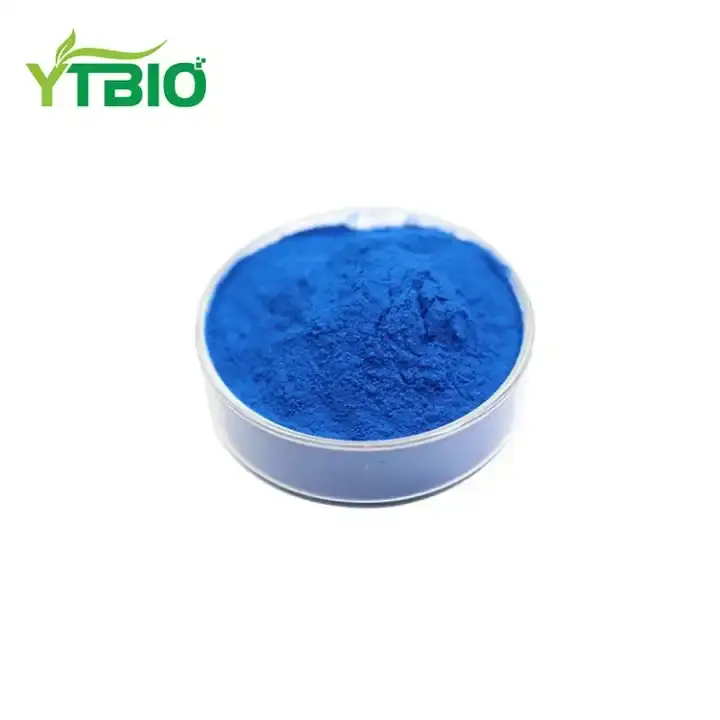
First, let's get the basics straight. Phycocyanin is a water-soluble phycobiliprotein that gives spirulina its iconic blue hue (think: that neon blue smoothie you might've seen at a juice bar). What makes it more than just a pretty color? It's packed with antioxidant power-way more potent than some common skincare ingredients you might already know. For context, antioxidants are the backbone of good skin care because they fight free radicals, those unstable molecules from sun damage, pollution, and stress that break down collagen and cause fine lines, dullness, and uneven texture. Studies have found phycocyanin's antioxidant activity can outmatch things like vitamin C in some tests, because it neutralizes free radicals and also helps reduce inflammation at the same time. That's a big deal for anyone with sensitive, acne-prone, or rosacea-prone skin, since inflammation is often the root of redness and breakouts.
Wait, but can it actually penetrate the skin, or is it just sitting on top like a blue face paint? I've had customers reach out asking this, too. The good news is that research shows phycocyanin is small enough (molecular weight around 20,000 Da, which is lighter than many protein ingredients used in skincare) to get past the stratum corneum, the outermost layer of your skin. Once there, it can signal skin cells to produce more collagen and elastin-those fibers that keep skin plump and firm. One small 2021 study in the Journal of Cosmetic Dermatology tested a phycocyanin topical formula on 32 women over 8 weeks, and 87% reported reduced fine lines and increased skin hydration. That's not a placebo effect, that's actual skin change.
Another big win for skin: phycocyanin's ability to regulate sebum. If you struggle with oily or combination skin, you know that excess sebum can clog pores and lead to blackheads or breakouts. Phycocyanin helps balance sebum production without stripping your skin's natural moisture barrier, which is way better than harsh astringents that leave your face dry and tight. I've seen this firsthand with our B2B customers-formulators who add phycocyanin to acne treatments tell us their clients notice less midday shine and fewer new pimples after 4 weeks. And unlike some synthetic acne ingredients, it's gentle enough for daily use, even on sensitive skin.
But let's be real-no ingredient works alone, and phycocyanin is part of a larger ecosystem of natural pigments that work well together. As a supplier, we often suggest pairing phycocyanin with other natural pigments to boost skincare efficacy. For example, lutein (check out our Pure Lutein Powder here) is another antioxidant that's great for protecting skin from blue light damage-think: the light from your phone or laptop that's contributing to premature aging these days. Pairing phycocyanin's anti-inflammatory punch with lutein's blue light defense makes for a powerhouse formula that works both morning and night. Beta carotene (our Beta Carotene Powder is a perfect match) converts to vitamin A in the skin, which helps with cell turnover and fading dark spots, so combining that with phycocyanin's collagen support gives you brighter, more even skin tone. We also work with customers to mix phycocyanin with sodium copper chlorophyllin powder, which has natural deodorizing and clarifying properties for body skincare, like body washes or deodorants that target underarm redness and odor. And if you're looking for something to target fine lines and sun damage, astaxanthin oil (our Astaxanthin Oil is a fan favorite) is a top-tier antioxidant that pairs seamlessly with phycocyanin to fight multiple signs of aging at once.
Wait a second-what about the downsides? No ingredient is perfect, and phycocyanin isn't for everyone, right? The good news is it's generally considered safe for all skin types, including sensitive skin, because it's non-comedogenic (it doesn't clog pores) and has a low irritation profile. But a small percentage of people might have an algae allergy, so patch testing is always a good idea if you're trying a new product with phycocyanin. Also, since it's water-soluble, it can be tricky to formulate in oil-based products, but that's a challenge our team has solved-we offer both water-dispersible and oil-soluble phycocyanin extracts for formulators, so they can adapt it to any product type, from serums to moisturizers to masks.
As someone who's been in the natural raw materials industry for over 10 years, I've seen a lot of trends come and go, but phycocyanin has staying power because it's backed by solid science, not just marketing hype. What I love most about it is that it's a natural alternative to synthetic antioxidants that can sometimes cause irritation or have harsh side effects. Our phycocyanin is sourced from organic spirulina farms that follow strict sustainable practices, so you can feel good about using it on your skin, and you know you're getting a pure, high-quality product without any fillers or additives.
A lot of people also ask how phycocyanin compares to other blue pigments you might see in skincare, like blue tansy oil. Blue tansy has its place-it's great for acute inflammation, like post-acne redness or eczema flare-ups-but phycocyanin is more versatile because it works as a daily antioxidant and anti-inflammatory, not just for emergency repair. Blue tansy is more of a band-aid, while phycocyanin is a daily shield and repair tool. That's why we see so many formulators using both in their products, but phycocyanin is often the star ingredient because it's effective at multiple levels.
Another underrated benefit: phycocyanin can help with hyperpigmentation. The same antioxidant and anti-inflammatory properties that fight free radicals also help regulate melanin production, so it can fade dark spots from sun damage or post-inflammatory hyperpigmentation (PIH) from acne. A 2019 study in the International Journal of Molecular Sciences found that phycocyanin inhibits melanin synthesis by blocking the enzyme tyrosinase, which is the same target many brightening skincare ingredients use, but without the harshness of hydroquinone. That's a huge plus for anyone who's struggled with uneven skin tone and wants a gentle, natural solution.
Now, let's talk about why we're passionate about phycocyanin as a supplier. We don't just sell raw materials-we work directly with skincare brands to help them formulate products that actually deliver on their promises. Whether you're a small indie brand just starting out or a larger established company, we can provide custom phycocyanin blends tailored to your specific needs, whether you're making a daily serum, an acne treatment, or an anti-aging moisturizer. We also offer technical support to help you get the most out of our ingredients, from formulation tips to stability testing, so you can be confident that your product works as well as it claims.
If you're a formulator, a beauty brand owner, or someone who's curious about adding phycocyanin to your products, we'd love to chat. We're always here to answer questions, share more research, or help you find the right ingredients to create the perfect skincare line. Whether you're looking for phycocyanin specifically or want to explore our other natural pigments-like elderberry juice powder for immune-boosting skincare, or any of the ones I mentioned earlier-we have you covered. Just reach out to our team to start the conversation, and we'll help you find the right solutions for your needs.
At the end of the day, phycocyanin isn't just a skincare fad. It's a science-backed, natural ingredient that offers real benefits for all skin types, from reducing inflammation and fighting free radicals to brightening tone and boosting collagen. As a supplier, we're proud to be part of making this powerful ingredient accessible to more skincare brands, so they can create products that help people feel confident in their skin. If you're ready to work with a reliable, experienced raw material supplier, don't hesitate to connect with our team to discuss your next project.
6478251 / 86-029-86119593
Whatsapp:8617782577059
Email:sales@sxytorganic.com
References
Kim, S., et al. (2021). Clinical evaluation of phycocyanin topical formulation for skin aging. Journal of Cosmetic Dermatology, 20(3), 921-927.
Patel, R., et al. (2019). Melanogenesis inhibition by phycocyanin from Spirulina platensis. International Journal of Molecular Sciences, 20(12), 2945.
Gouveia, L., et al. (2015). Antioxidant and anti-inflammatory properties of phycocyanin for cosmetic applications. Industrial Crops and Products, 74, 777-784.
Rastogi, R. P., & Sinha, R. P. (2009). Biotechnological and industrial significance of cyanobacterial secondary metabolites. Microbiology and Molecular Biology Reviews, 73(3), 425-461.