Is Phycocyanin Safe for Children? Guidelines on Food Applications and Quality Control
As consumer interest in naturally derived food colorants grows, phycocyanin is increasingly being used in beverages, popsicles, candies, and other specialty foods. As a blue pigment extracted from cyanobacteria such as *Spirulina*, it offers food manufacturers a new coloring option. Ingredient safety is a crucial consideration for children's food products. Is phycocyanin suitable for consumption by children? What should food manufacturers keep in mind during procurement and usage?
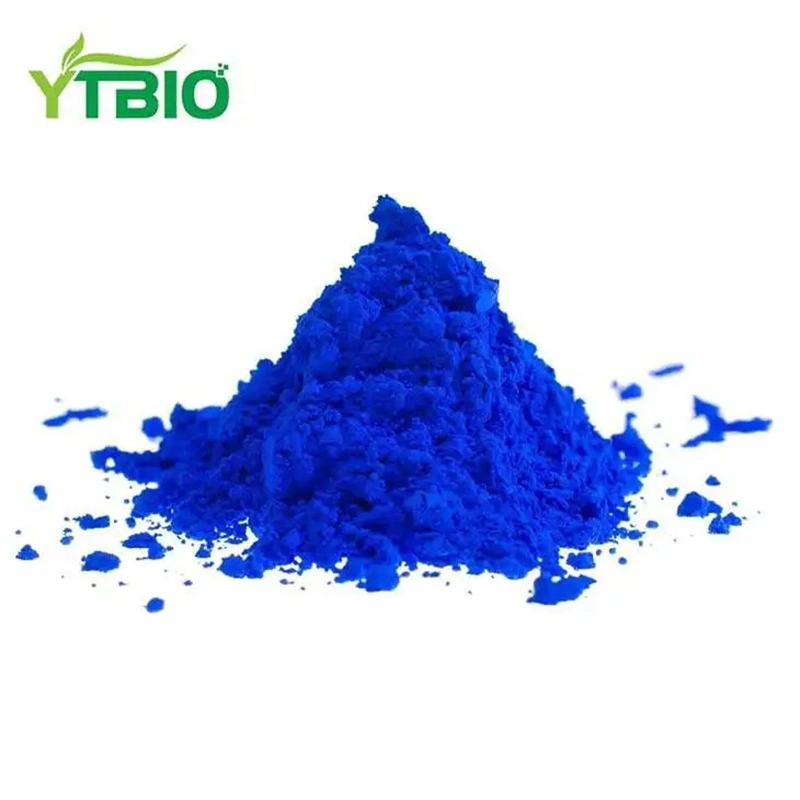
I. Is Phycocyanin Safe for Children?
Determining whether phycocyanin is safe for use in children's food requires an assessment based on the specific raw material, usage levels, product formulation, and regulatory requirements of the target market.
While the U.S. Food and Drug Administration (FDA) maintains a GRAS (Generally Recognized As Safe) assessment framework, its conclusions apply to specific substances, intended uses, and conditions of use; they cannot be interpreted to mean that *all* phycocyanin products are automatically suitable for children.
Furthermore, a natural origin does not imply an absolute absence of risk. Raw material quality, contaminant control, and production processes all influence the safety of the final product.
Parents should choose products with clear labeling that meet requirements for food use. Food manufacturers should verify safety data for raw materials and ensure compliance with regulations in their target markets.
II. What Are the Potential Applications of Phycocyanin?
Phycocyanin possesses a distinctive blue color and can be used to develop various specialty foods, such as:
- **Beverages:** Blue fruit-flavored drinks, specialty beverages, and mixed drinks.
- **Frozen Desserts:** Popsicles, ice cream, and similar products.
- **Confectionery and Snacks:** Blue candies, gummies, and other innovative food products.
- **Nutritional Foods:** Certain nutritional powders and instant drink mixes.
Actual application results depend on product formulation and processing conditions. Factors such as temperature, pH, light exposure, and storage environment can affect the color stability of phycocyanin; therefore, food companies are advised to conduct formulation testing prior to full-scale production.
III. How Can Phycocyanin Raw Material Quality Be Ensured?
Raw material quality is a key criterion for food manufacturers when selecting a phycocyanin supplier. During the procurement process, it is advisable to focus on the following three aspects:
Raw material testing: Understand product specifications, testing methods, and relevant quality indicators; pay attention to potential contaminants—such as heavy metals and microorganisms—based on the raw material's source and intended use.
Quality documentation: Verify the Certificate of Analysis (COA) and relevant test reports to ensure the results correspond to the specific batch being purchased. Third-party testing may be conducted if necessary.
Batch stability: Raw material batches may vary in color, potency, and performance during application. Robust production management and quality traceability systems help mitigate risks associated with color fluctuations in the finished product.
For companies planning to develop food products for children, a comprehensive assessment of the final product's formulation, actual usage levels, and overall food safety requirements is also essential.
V. What should food manufacturers consider when purchasing phycocyanin?
For B2B buyers, purchasing phycocyanin involves more than just price and specifications; it requires considering the ingredient's suitability for the target product and the supplier's ability to provide consistent quality support.
Before purchasing, it is recommended to verify:
- Clarity regarding product specifications, raw material sources, and relevant testing data.
- Whether the ingredient's color performance and processing stability in the target formulation meet requirements.
- The supplier's capabilities regarding batch quality management and traceability.
- Compliance with food regulations and labeling requirements in the target market.
Through raw material audits and actual formulation testing, food companies can more effectively evaluate the feasibility of using phycocyanin.
VI. Conclusion
Phycocyanin is a naturally derived ingredient with a vibrant blue color, offering new options for the development of beverages, frozen desserts, and other specialty foods.
However, the question of whether phycocyanin is safe for children cannot be answered with an absolute "yes" or "no" based solely on its natural origin. Suitability must be assessed comprehensively, taking into account raw material quality, usage conditions, the final formulation, and relevant regulations.
For food manufacturers, selecting a reliable supplier, verifying COAs and testing data, and conducting necessary application tests are crucial steps in developing high-quality food products. Supplier of Natural Pigment Ingredients
YTBIO offers a wide range of pigment ingredients, including phycocyanin, beta-carotene, astaxanthin, canthaxanthin, and curcumin. Businesses can explore detailed product information and quality documentation based on specific applications, desired color profiles, and procurement specifications.
Whether you are a startup brand developing small-batch specialty foods or a large-scale food enterprise requiring a stable supply of ingredients, YTBIO can evaluate and recommend the ideal ingredient solutions tailored to your product positioning, target color, and formulation requirements. Please contact us for more information.
Tel:86-029-86478251 / 86-029-86119593
Whatsapp:8617782577059
Email:sales@sxytorganic.com
References
U.S. Food and Drug Administration. (n.d.). Substances Generally Recognized as Safe (GRAS). Retrieved from https://www.fda.gov/food/food-ingredients-packaging/generally-recognized-safe-gras
European Food Safety Authority. (2016). Scientific opinion on the safety of spirulina (Arthrospira platensis) as a novel food pursuant to Regulation (EU) 258/97. EFSA Journal, 14(10), 4617.
American Academy of Pediatrics. (2011). Food additives and child health. Pediatrics, 128(5), 1012-1021.
World Health Organization. (2021). Safety evaluation of certain food additives and contaminants. WHO Food Additives Series, No. 76.
Institute of Food Technologists. (2020). Natural pigments: Safety, applications, and trends in food use. IFT Focus Report.