Phycocyanin: Key Factors in Extraction, Stability, and Application
As the food industry places increasing emphasis on natural pigments, phycocyanin has emerged as a significant choice for natural blue coloring. Valued for its distinct blue hue, water solubility, and origin in natural microalgae, it is widely used in beverages, food products, and nutritional supplements.
However, phycocyanin is more than just a simple natural colorant. Every stage—from microalgae cultivation and extraction/purification to the control of final product stability—influences the quality of the raw material, production costs, and its performance in end-use applications.
For food manufacturers, nutritional supplement brands, and ingredient procurers, understanding the production characteristics of phycocyanin facilitates better-informed selection of product specifications and enhances control over subsequent product development.
I. Why Is Phycocyanin Attracting Market Attention?
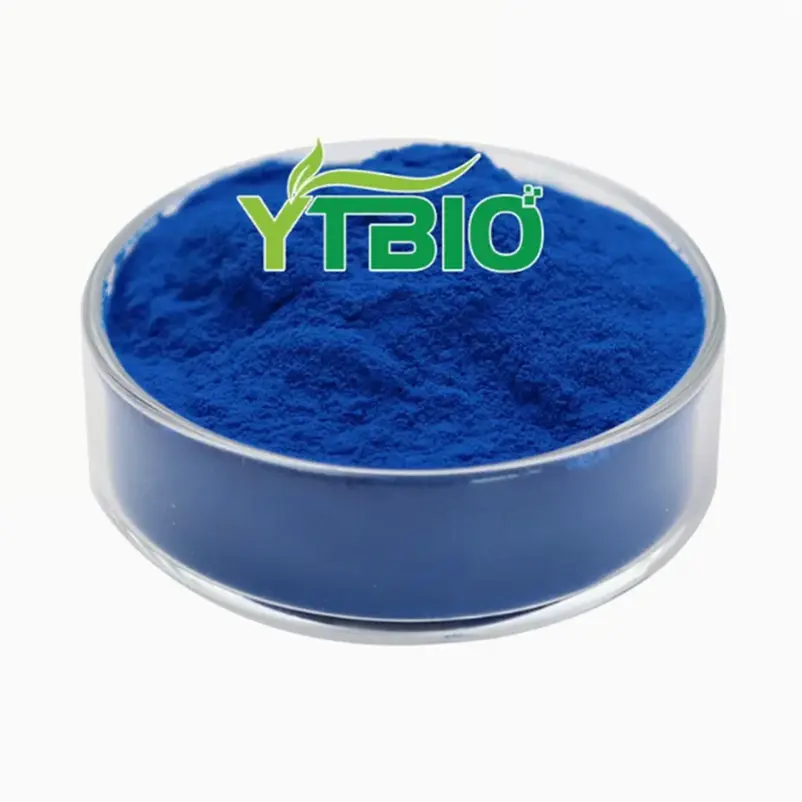
Phycocyanin is a natural blue protein pigment found primarily in cyanobacteria, such as *Spirulina* (blue-green algae), and is typically obtained through extraction and purification processes.
Compared to certain synthetic colorants, the key features of phycocyanin include:
Natural Origin: Derived from microalgae, making it suitable for products that prioritize natural coloring ingredients.
Water Solubility: Highly water-soluble, allowing for use in compatible water-based food systems.
Color Characteristics: Provides a vivid blue tone, offering a natural source of color.
Versatile Applications: Can be used in various products, including beverages, confectionery, ice cream, and nutritional supplements, subject to specific formulations and local regulatory requirements.
Given the relatively limited options for natural blue pigments, phycocyanin is highly valued for its ability to provide a distinct, recognizable blue color, making it a compelling alternative for natural coloration.
II. Phycocyanin: Why Does Quality Vary?
The final quality of phycocyanin depends not only on the pigment content within the raw material but also on extraction efficiency, the degree of purification, and post-processing techniques.
1. Raw Material Foundation
The production of phycocyanin begins with the cultivation of microalgae. Factors such as temperature, light exposure, pH levels, nutrient supply, and water quality management all influence the growth of the algae and the accumulation of the pigment.
Even when the same algal strain is used, variations in cultivation conditions can lead to differences in the composition of the raw material and its phycocyanin content. Therefore, stable cultivation management and batch-to-batch quality control are essential foundations for obtaining consistent raw materials.
2. Extraction and Purification
Phycocyanin is contained within algal cells; it must be released through appropriate cell disruption and extraction processes. Common techniques include freeze-thaw cycles, ultrasound-assisted extraction, and other physical or enzyme-assisted methods.
Following extraction, the process requires the removal of cell debris, other proteins, and pigment impurities, as well as concentration and purification to meet specific product requirements.
Generally, higher purity requirements entail more complex separation processes, stricter process control, and potential material loss. However, actual costs are also influenced by factors such as raw material quality, equipment efficiency, and production scale.
For purchasers, it is not enough to simply compare product names or stated purity levels; it is also necessary to verify the testing methods, the definitions of specifications, and the requirements of the intended application.
III. Phycocyanin: Why Focus on Stability?
As a protein-based pigment, phycocyanin’s color and structure can be affected by the processing environment. Compared to some traditional pigments, its use in certain food systems requires more precise formulation design.
Temperature: Higher processing temperatures may cause changes to the protein structure, thereby affecting its color.
pH: The acidity or alkalinity of a system influences the structure and color stability of phycocyanin; therefore, formulation testing is particularly important for applications such as acidic beverages.
Light and Storage: Exposure to light, oxidative environments, and specific storage conditions can impact the product's color retention.
Processing System: Other ingredients, processing methods, and packaging conditions can also influence the stability of the final product.
To improve performance in applications, manufacturers may employ encapsulation techniques, carriers, or stabilization strategies. However, the suitability of these approaches varies depending on the target product; no single process can be assumed to solve all stability challenges.
Consequently, when developing food products containing phycocyanin, it is advisable to conduct practical testing within the target formulation, while comprehensively evaluating factors such as processing temperature, pH, light exposure, and shelf-life requirements.
IV. Phycocyanin: Key Application Areas
The scope of phycocyanin applications is closely linked to its specific grade, stability, and local regulatory requirements. Beverages and Powdered Drink Mixes: Used to achieve a blue color profile in formulations, including various powdered drink mixes and ready-to-drink (RTD) products.
Confectionery and Gelled Foods: Provides a natural blue coloring solution for candies, gummies, and certain gel-based systems; processing conditions and color retention must be verified.
Dairy Products and Frozen Desserts: Can be used in the development of products such as yogurt and ice cream, with careful evaluation required regarding system acidity, processing parameters, and storage stability.
Nutritional Supplements: Applicable for use in powders, tablets, and other product formats, provided they meet relevant regulatory requirements.
Other Product Applications: Use in cosmetics and personal care products requires individual assessment based on the specific application, raw material specifications, and applicable regulations.
For food applications, purchasers should note that the permitted uses, product categories, and conditions of use for phycocyanin may vary by country or region; its status as a "natural" ingredient does not automatically guarantee its suitability for all food products.
V. What Should You Consider When Sourcing Phycocyanin?
For food manufacturers and nutritional supplement brands, sourcing raw materials should involve more than just looking at price or color intensity; a comprehensive evaluation of the following factors is essential:
Purity and Specifications: Verify the phycocyanin content, testing methods, and how specifications are defined—ensuring that pigment concentration, total protein content, and purity metrics are not conflated.
Color Performance: Assess whether the raw material is suitable for your specific formulation based on the desired hue, solubility, and required dosage.
Stability Data: Understand how the ingredient performs under various temperatures, pH levels, and storage conditions; conduct application testing whenever possible.
Quality Documentation: Review the Certificate of Analysis (COA), microbiological test results, heavy metal analysis, and other relevant quality documentation.
Regulatory Compliance: Confirm that the ingredient is permitted for use in your target market and specific product category, and ensure all relevant regulatory requirements are met.
Batch-to-Batch Consistency: Monitor color, content, and physicochemical properties across different batches to minimize the risk of variations during production.
By thoroughly evaluating these factors, purchasers can more accurately determine how well a specific phycocyanin ingredient aligns with the requirements of their products.
VI. Phycocyanin: Development Trends
Future competition in the phycocyanin industry will extend beyond raw material supply capacity to encompass extraction efficiency, quality standardization, and application technology. On one hand, improvements in extraction and purification processes are expected to increase the recovery rate of active components and optimize resource utilization during production. On the other hand, advancements in stabilization techniques and formulation development will enable phycocyanin to be integrated into a wider range of food systems.
Meanwhile, growing consumer interest in natural colors and "clean label" products presents new development opportunities for natural blue pigments. However, actual market growth will ultimately depend on regulatory requirements, functional performance in applications, supply stability, and overall costs.
For raw material purchasers, selecting a supplier with robust quality control, transparent specifications, and the ability to provide comprehensive technical documentation will help mitigate uncertainties during product development and large-scale production.
Are you looking for a supplier of phycocyanin?
YTBIO offers both conventional and organic phycocyanin, with a variety of specifications available and expert consultation for application development. Contact us today to request product specifications, Certificates of Analysis (COA), and samples, and let’s discuss the ideal raw material solution for your project.
Tel:86-029-86478251 / 86-029-86119593
Whatsapp:8617782577059
Email:sales@sxytorganic.com