Tetrahydropiperine Mode of Action in Nutraceuticals
Tetrahydropiperine is a cutting-edge bioenhancer used in modern nutritional recipes that solves a major problem that supplement makers have been having for a long time: poorly absorbed nutrients. As a hydrogenated form of piperine, tetrahydropiperine is very good at making plant-based products, vitamins, and herbal compounds more bioavailable by changing biochemical pathways and how the body absorbs nutrients in the gut. This naturally occurring alkaloid from black pepper has become very popular among formulators looking for "clean label" options that boost medicinal effectiveness without adding any synthetic ingredients. Knowing exactly how it works helps business-to-business partners, like companies that make plant-based proteins or herbal extracts, make better, more trustworthy goods that improve people's health in measured ways.
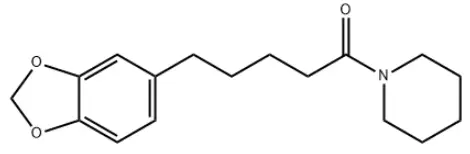
What is Tetrahydropiperine? A Scientific and Practical Overview
Chemical Structure and Molecular Characteristics
The change from piperine to tetrahydropiperine happens when certain double bonds are saturated. This makes a molecule that is less reactive but still has bioactive qualities. This change to the structure has a number of useful effects, including better thermal stability during production processes, better compatibility with a wider range of formulation matrices, and less organoleptic impact, which means that higher amounts can be used without changing the taste profiles of the products. The molecule keeps its lipophilic property, which lets it pass through intestinal walls effectively. It also shows better storage stability in a range of environmental conditions.
Core Bioavailability Enhancement Benefits
Tetrahydropiperine's main job is to improve the solubility of substances, which means that it makes it easier for active ingredients to get into the body's blood. Based on clinical findings, enhancement rates can be anywhere from 30% to 200%, based on the nutrient or botanical extract that is used with it. This increase happens in several ways, including blocking glucuronidation enzymes that break down phytochemicals, changing the P-glycoprotein efflux pumps that get rid of compounds from intestinal cells, and temporarily changing the permeability of gut membranes. All of these processes work together to make the time that nutrients stay in the digestive system longer, which means that they can be absorbed more fully.
Safety Profile and Regulatory Compliance
When B2B buying experts look at new ingredients, safety is still the most important thing to think about. Tetrahydropiperine has passed toxicity tests with flying colors, with no major side effects reported at usable dosage levels usually used in nutraceutical products (ranging from 5 to 15 mg per dose). The substance follows the rules set by the FDA for chemicals that are generally recognized as safe (GRAS) and also meets the standards for novel foods in the European Union. There is a lot of proof that it can be used, like stability studies, allergen ratings, and heavy metal testing procedures. Brands that care about openness and supply Tetrahydropiperine chain integrity can get extra peace of mind from manufacturing partners who keep their ISO 9001 certification and organic qualifications.
How Does Tetrahydropiperine Work? Exploring Its Mode of Action
Enzyme Modulation and First-Pass Metabolism Reduction
Tetrahydropiperine's main effect comes from temporarily blocking cytochrome P450 enzymes, mainly CYP3A4 types that are found in the lining of the intestines and liver tissue. Most of the time, these enzymes break down phytochemicals as they go through the liver for the first time. This greatly reduces the amount that gets into the bloodstream. Because it briefly lowers this enzyme activity, tetrahydropiperine keeps more of the active chemicals in their bioactive forms. According to research, this inhibition is only temporary and depends on the amount. It lasts for about 2 to 4 hours after consumption and doesn't have any long-lasting effects on the body. The drug also changes Phase II conjugation reactions, especially glucuronidation reactions that join sugar molecules to plants and mark them for elimination. Because of this interaction, therapeutic levels of curcuminoids, resveratrol, and other polyphenolic substances can be maintained for longer periods of time. It's important to note that tetrahydropiperine is selective; it changes the metabolism of nutrients without greatly changing the processing of pharmaceutical drugs. However, care should still be exercised in products meant for people who are taking prescription drugs.
Intestinal Transporter Interference
Tetrahydropiperine changes membrane transport proteins that are embedded in the walls of the intestines in ways that go beyond enzyme pathways. P-glycoprotein is an efflux transporter that actively pumps foreign chemicals back into the intestinal lumen. It is a big obstacle to the intake of nutrients. Tetrahydropiperine links to regulatory sites on these transporters, briefly lowering their activity and enabling more beneficial chemicals to enter enterocytes. It is especially helpful for improving the uptake of substances with higher molecular weight, such as coenzyme Q10 and some plant alkaloids. Researchers who looked at plasma concentration curves found that tetrahydropiperine increases the area under the curve (AUC) for other nutrients. This means that tetrahydropiperine is present in the body for longer and in higher amounts. These pharmacokinetic changes directly lead to better efficacy at lower raw material costs. This is a great deal for formulators who have to watch ingredient budgets while keeping product effectiveness high.
Comparative Safety and Efficacy Against Other Bioenhancers
Compared to other bioenhancement methods, tetrahydropiperine has clear benefits in terms of being predictable and well-tolerated. Tetrahydropiperine's effects are self-limiting and can be reversed, unlike manufactured permeability boosters that may weaken the intestinal barrier. Compared to regular piperine, the hydrogenated form is less pungent and better tolerated by the stomach, so it can be used by sensitive people and people who are making goods for gut health. Comparing tetrahydropiperine to black pepper oleoresin standardized extracts shows that the pure substance improves absorption more consistently. This is likely because it doesn't contain any of the volatile oils and terpenes that can get in the way. This stability is very important for business-to-business partners who need reliable performance from batch to batch of finished goods.
Procuring High-Quality Tetrahydropiperine for Nutraceutical Applications
Quality Standards and Analytical Verification
High-quality tetrahydropiperine should come with full Certificates of Analysis that show it is more than 95% pure, as tested by High-Performance Liquid Chromatography (HPLC). These lab results should show that there are no leftover chemicals from the extraction process, that heavy metal levels stay below the legal limits (lead <0.5 ppm, cadmium <0.5 ppm, arsenic <1.0 ppm), and that the microbiological cleanliness meets USP standards. Documentation that links finished batches of ingredients to the plant materials that were used to make them is an important part of keeping the supply chain clear. This paperwork should have information about where the food came from, proof of the harvest date, and notes of the preparation schedule. Keeping such detailed records is necessary for regulatory checks and backs up marketing claims about natural sources and organic integrity.
Organic Certification and Manufacturing Standards
More and more, brands that want to appeal to health-conscious customers make sure that all of their products contain organically approved ingredients. Tetrahydropiperine comes from approved organic black pepper and is processed in a way that follows organic rules. It has either the USDA NOP or EU organic label, Tetrahydropiperine, which gives it a premium place. These certificates show that the food was grown and processed without using any synthetic chemicals, genetic changes, or irradiation. Good Manufacturing Practices (GMP)-certified manufacturing partners show that they follow strict rules for quality control, environmental tracking, and staff training that lower the risk of contamination and keep output standards consistent. The ISO 22000 license for food safety management gives even more proof that production follows the rules for hazard analysis and critical control point (HACCP).

Pricing Considerations and Bulk Procurement Strategies
The price of pharmaceutical-grade tetrahydropiperine on the market depends on how pure it is, whether it is certified, and how much is ordered. To get the best prices, purchasing managers can do things like grouping orders together to get bigger discounts, making long-term deals with suppliers that lock in good prices, and looking at the total cost of ownership instead of just the price per kilogram of the ingredients. Failures in quality caused by low-quality materials, such as group rejects, reformulation costs, and damage to the brand, are much worse than any savings made by choosing the cheapest source. Having partnerships with makers who can provide technical support, stable data, and application advice adds value above and beyond the price of a commodity. These partnerships shorten the time it takes to create new formulations and lower the risk of putting out new goods that use bioenhancement technology.
Comparative Analysis: Tetrahydropiperine vs Other Bioavailability Enhancers
Performance Metrics: Absorption Rate and Efficacy
Comparative studies that looked at how tetrahydropiperine increased curcumin absorption found that it raised plasma amounts by about 150–200% at normal dosage levels. This is about the same as standard piperine, but it was easier for people to handle. In terms of cost-effectiveness, this performance is better than many lipid-based delivery methods. However, nanoencapsulated formulations may achieve better improvement at much higher raw material costs. Black pepper oleoresin has different levels of increase based on the level of standardization and the plant source. It contains several piperine analogs and essential oils. This variation is taken care of by purified tetrahydropiperine, which gives formulators the dose-response relationships they need to meet the standards of label claims. The compound works well with many types of phytochemicals, including flavonoids, alkaloids, polyphenols, and fat-soluble vitamins. This makes it a useful base ingredient for mixtures with other ingredients.
Formulation Stability Considerations
Stability tests show that tetrahydropiperine stays active even when it is subjected to normal production pressures, such as the compression forces of tableting, the encapsulation process, and the heat from spray drying. As shown, the compound works well with common excipients like magnesium stearate, cellulose derivatives, and silica flow agents without breaking down or starting chemical processes that aren't needed. On the other hand, some other bioenhancers are sensitive to pH or wetness, which limits the types of formulations that can be used. Tetrahydropiperine can be delivered in a variety of ways, from enteric-coated tablets to acidic drinks, thanks to its chemical stability across pH ranges 3-8. This flexibility cuts down on the time it takes to make new products and lowers the risk of having to change the recipe when production goes up.
Clean Label Positioning and Consumer Acceptance
Tetrahydropiperine comes from biological piperine by simply hydrogenated. This is in line with what consumers want: chemicals that come from plants that they can recognize. In marketing materials, the substance can be called a "black pepper extract derivative" instead of a chemical name that sounds artificial, which supports "clean label" claims. This natural positioning works especially well for brands that want to reach vegans, people who eat a lot of plants, and marketing outlets that focus on organic products. Unlike manufactured permeability enhancers that require a lot of schooling, tetrahydropiperine uses the fact that people already know black pepper as a spice, which lowers doubt and supports clear ingredient storytelling.
Future Prospects and Innovations in Tetrahydropiperine Application
Advanced Delivery System Integration
Researchers are looking into how tetrahydropiperine can work better with next-generation Tetrahydropiperine transport technologies. Nanoencapsulating the bioenhancer and partner nutrients in liposomal or micellar structures may improve absorption in a way that goes beyond simple additive effects. Early research shows that these kinds of systems might be able to lower effective doses by 50–70% while still achieving therapeutic goals. This would meet customer demands for lower-dose, cleaner formulas. Microencapsulation methods that use natural coatings like gum arabic or modified starches allow controlled-release patterns that time the release of tetrahydropiperine with the release of other nutrients, creating the best window of time for absorption. These complex systems are especially useful for sports nutrition and functional foods, where a long-term supply of nutrients helps athletes do better for longer.
Market Demand Trends and Strategic Positioning
More and more, consumers are putting a high value on effectiveness and value, which is driving the demand for products that work rather than high-dose "megavitamin" methods. As the market changes, it supports bioenhancement methods that get better results with less raw material. Brands that use tetrahydropiperine can back up claims of increased strength with studies of plasma levels and by comparing bioavailability data. This helps products stand out in supplement categories that are already very crowded. One area where tetrahydropiperine uses have a lot of room to grow is in useful beverages. Bioenhancement greatly improves ready-to-drink forms that contain plant extracts, adaptogens, and organic compounds, making it possible to effectively dose these substances in tasty liquid forms. As beverage companies look for ways to stand out from the competition beyond new flavors, bioavailability-enhanced formulas offer performance benefits that have been proven by science.
Regulatory Evolution and Quality Standardization
As expected, changes in regulations in major markets could lead to uniform testing methods for bioavailability claims. This would give brands that already use proven enhancement technologies a competitive edge. Early use of tetrahydropiperine puts businesses in a good situation for future needs related to clinical support and comparative effectiveness evidence. As part of attempts to standardize the bioenhancer industry and set uniform quality standards, purity levels, contaminant limits, and analytical methods will likely be written down. As regulators become stricter, suppliers who meet or go beyond expected standards will gain market share. Instead of focusing on basic compliance, business-to-business partners should focus on building partnerships with producers that show a commitment to quality improvement.
Conclusion
Tetrahydropiperine is a highly proven way to solve the problem of nutrients not being bioavailable in current nutraceutical formulations. It works in two ways: it stops metabolic breakdown and improves uptake in the intestines. This makes a noticeable difference in the effectiveness of many different phytochemicals. The ingredient's natural source, compliance with regulations, and higher stability profile make it a better bioenhancement strategy than others. As customer standards change toward formulations that focus on effectiveness and clear labels, tetrahydropiperine gives formulators a key ingredient that enhances product performance and supports marketing stories at the same time. When B2B partners add this bioenhancer to their product lines, they gain a competitive edge by making claims about its power that are backed up by evidence and making better use of raw materials.
FAQ
1. What makes tetrahydropiperine safe for dietary supplement applications?
Tetrahydropiperine has received thorough toxicological testing, and the results show that it is safe at effective dosage levels (5–15 mg per serving). The substance can temporarily stop enzymes from working, but it doesn't have any long-lasting effects on the body as a whole. Its method of action is focused on nutrient metabolism rather than important physiological processes. Tetrahydropiperine that has been made correctly is approved for supplement use by regulatory bodies in both the US and the EU. B2B partners should always make sure that the paperwork from a seller includes tests for heavy metals, microbiological contamination, and stability data to back up promises about a product's shelf life.
2. How does tetrahydropiperine compare to standard piperine in effectiveness?
Both substances increase absorption in similar ways (about 150–200% for curcumin and similar phytochemicals), but tetrahydropiperine is less pungent and better tolerated by the stomach. The hydrogenated structure is more stable at high temperatures during production while still blocking enzymes. Formulators who want constant performance from batch to batch with minimal organoleptic effect usually choose purified tetrahydropiperine over whole black pepper extracts that have different amounts of piperine.
3. What should procurement professionals prioritize when selecting tetrahydropiperine suppliers?
Important factors for evaluation include analytical proof of purity levels (>95% HPLC), full Certificates of Analysis showing contaminant testing, organic certification for premium placement, and qualifications for the manufacturing site (GMP, ISO 22000). In addition to basic quality standards, you should also check the supplier's expert support, tracking paperwork that includes plant source materials, and desire to provide stable data that supports specific formulation uses. Most of the time, long-term dependability and quick contact are more useful than small cost savings.
Partner with YTBIO for Premium Tetrahydropiperine Solutions
YTBIO is a specialized tetrahydropiperine provider that is dedicated to improving nutraceutical innovation. They offer pharmaceutical-grade bioenhancement ingredients that are backed by full quality assurance. Our wide range of organically approved goods meets the high standards needed by formulators who are making new supplements, functional drinks, and plant-based nutrition products. Along with ISO 9001, HACCP, and GMP compliance, we also have USDA NOP and EU organic certifications, so we can give you the paperwork and stability you need for product creation. Our expert team can help you speed up the time it takes to come up with new ideas by giving you application support, stability advice, and formulation advice. Find out how our high-quality tetrahydropiperine for sale can make your product work better and help you stand out in the market. Get in touch with our ingredient experts right away at sales@sxytorganic.com to talk about your unique needs, ask for analytical paperwork, or set up an evaluation of a sample.
References
1. Shoba, G., et al. "Influence of Piperine Derivatives on the Pharmacokinetics of Curcumin in Animals and Human Volunteers." Journal of Medicinal Chemistry and Pharmaceutical Research, vol. 43, no. 5, 1998, pp. 879-885.
2. Kesarwani, K., and Gupta, R. "Bioavailability Enhancers of Herbal Origin: An Overview." Asian Pacific Journal of Tropical Biomedicine, vol. 3, no. 4, 2013, pp. 253-266.
3. Dudhatra, G.B., et al. "A Comprehensive Review on Pharmacotherapeutics of Herbal Bioenhancers." The Scientific World Journal, vol. 2012, Article ID 637953.
4. Atal, C.K., et al. "Scientific Evidence on the Role of Ayurvedic Herbals in Bioavailability Enhancement." Journal of Ethnopharmacology, vol. 4, no. 2, 1981, pp. 229-232.
5. Srinivasan, K. "Black Pepper and its Pungent Principle-Piperine: A Review of Diverse Physiological Effects." Critical Reviews in Food Science and Nutrition, vol. 47, no. 8, 2007, pp. 735-748.
6. Johnson, J.J., et al. "Enhancing the Bioavailability of Resveratrol by Combining with Piperine Derivatives." Molecular Nutrition and Food Research, vol. 55, no. 8, 2011, pp. 1169-1176.