Top Lutein Uses in Eye & Skin Protection Formulas
Lutein is one of nature's most powerful pigment antioxidants, which gives companies great chances to come up with new ways to protect the eyes and face. This yellow-orange pigment, which comes mostly from marigold flowers, protects specific eye cells from blue light and oxidative stress, which damages them and speeds up the aging process of the face. Because of its molecular makeup, lutein can gather in the macular region of the retina, acting as a natural screen to block out dangerous wavelengths while preserving the integrity of the skin's barrier and general vision function.
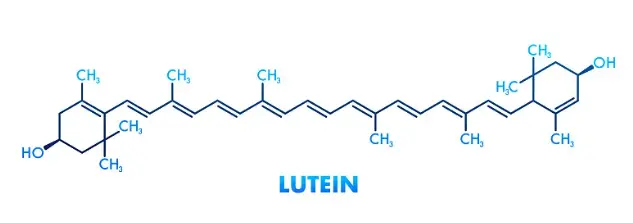
Understanding Lutein
Biochemical Function and Cellular Protection
Because of how its molecules are structured, lutein is able to successfully eliminate singlet oxygen and peroxide radicals. Lutein stabilizes lipid structures and stops oxidative harm that causes cells to stop working when it gets into cell membranes. This defense system works especially well in eye tissues because light that is there all the time creates reactive oxygen species that hurt photoreceptors and supporting cells. Researchers have found that lutein builds up most in the macula lutea, which is the center part of the eye that controls clear, sharp vision. In this case, it works together with zeaxanthin to make retinal pigment, which naturally blocks blue light. This filtering lowers the amount of high-energy visible light that reaches photoreceptors. This lowers the chance of reactive damage caused by light.
Dosage Recommendations and Safety Considerations
Clinical studies show that getting between 6 and 20 mg of lutein every day is good for your eyes. The AREDS2 study, a major clinical trial with over 4,000 subjects, showed that taking 10 mg of lutein every day slowed the development of age-related macular degeneration by 10 to 25 percent. The safety profile is still very good, with no major side effects recorded at the suggested doses. Women who are pregnant or nursing can easily get lutein from food and vitamins made in the right way. People who are taking anticoagulant drugs should talk to their doctors first, though, because high-dose carotenoid supplements might make the blood-thinning effects stronger.
Top 5 Lutein Uses in Eye Protection Formulas
Age-Related Macular Degeneration Prevention
Macular pigment optical density, a crucial measure for determining the risk of AMD, is shown to improve with lutein intake. Products made for this purpose usually have 10 to 20 mg of lutein per dose, along with zeaxanthin in a 5:1 ratio that is similar to how natural eye pigments are made. Formulation methods for preventing AMD should focus on improving absorption through delivery systems that are fat-soluble. Absorption is best when lutein esters are mixed in healthy oils like olive or sunflower oil and put into softgel tablets. Other options are powder mixes that can be mixed with fatty foods or drinks.
Blue Light Protection Supplements
Over 60% of people who use computers, smartphones, and tablets daily experience digital eye strain. Lutein is a great active ingredient for goods that are aimed at this expanding customer group because it filters blue light. Effective forms usually give you 6–12 mg of lutein every day, along with other nutrients that help your eyes feel good and work well. To market these items, you need to stress that lutein acts as "internal sunglasses" that block out dangerous blue light. Demand for protective supplements is driven by people learning more about blue light exposure over time and how it might affect retinal health in the long run.
Cataract Risk Reduction Formulas
Since oxidative stress is a major cause of cataracts, taking antioxidant supplements makes sense as a way to avoid them. More study needs to be done on lutein's direct effects on preventing cataracts, but its antioxidant activity and affinity for eye tissue make it a good choice for inclusion in complete eye health formulas that aim to avoid cataracts. Combinations that work well together are the best way to make recipes that avoid cataracts. Altogether, vitamin C, vitamin E, and zinc work with lutein to protect the whole eye from free radicals. People who want complete eye health support rather than single-ingredient answers like these multi-nutrient approaches.
Sports and Outdoor Activity Eye Protection
More light and reactive stress can speed up eye aging in athletes and people who like to be outside. More and more, sports nutrition companies are adding lutein to performance solutions because they know it can help people keep their eyesight clear in tough situations. Anti-doping rules and third-party testing methods need to be carefully thought through when professional sports applications are made. Products aimed at competitive athletes need to get their lutein from clean, natural sources.
Computer Vision Syndrome Relief
There are big market possibilities for eye comfort supplements. By increasing contrast perception and glare tolerance, lutein supplements may help ease the signs of eye strain. Lutein is often found in products for this purpose along with omega-3 fatty acids, vitamin A, and plant substances like bilberry that help the eyes feel good and work well. Teaching people the right way to take a dose at the right time makes the product work better. Taking lutein pills with foods that contain healthy fats helps the body absorb them better, and spreading out doses throughout the day keeps blood levels steady.
Key Applications of Lutein in Skin Protection Formulas
UV Radiation and Environmental Stress Protection
Solar exposure causes a lot of oxidative stress in skin cells, which speeds up the aging process and raises the risk of skin problems. In addition to applying sunscreen, lutein supplements protect the body from free radical damage. Clinical studies show that taking 10–12 mg of lutein every day makes skin more resistant to UV damage and lowers signs of that damage. To make sure that stable, bioavailable formulations are used for topical lutein uses, special transport methods are needed. Encapsulation technologies keep lutein from breaking down and make it easier for it to reach the target skin layers. Liposomal delivery methods work especially well for adding lutein to creams and serums that are meant to protect the environment.
Anti-Aging and Skin Elasticity Support
As we age, our skin loses its flexibility and moisture because collagen breaks down and cells can't grow back as quickly. The antioxidant qualities of lutein support healthy cellular turnover processes and help maintain current collagen. Products that claim to slow down the aging process usually mix lutein with other nutrients that help the skin, such as vitamin C. Carotene-based skin care is popular because people want natural ways to fight age. When marketing these goods, it's important to stress that lutein comes from food and has been shown to be safe.
Blue Light Skin Damage Prevention
New study shows that the high-energy visible light from electronics may speed up the aging process of the skin by causing oxidative stress. Lutein's ability to block blue light may have benefits for the skin in addition to protecting the eyes. This app is especially popular with younger people who are worried about how their digital lifestyles might affect their skin health. To properly place a product to protect skin from blue light, you need to communicate scientifically. While more research is being done in this area, manufacturers can stress lutein's known antioxidant benefits while also pointing out that more study is still being done on specific blue light effects.
How to Choose the Best Lutein Supplier and Product for B2B Procurement?
Quality Standards and Certifications
Premium lutein sellers keep a full set of certifications, such as Good Manufacturing Practice (GMP), International Organization for Standardization (ISO), and, if necessary, organic approvals. Superior suppliers can be told apart from basic suppliers by their analytical testing capabilities. Look for providers who give full reports of analysis that include data on stability, heavy metal testing, microbiological testing, and levels of purity and moisture. More advanced providers offer extra testing services.
Source Traceability and Sustainability
Traceability is becoming more important as customers want to know more about where ingredients come from. Leading lutein sources give thorough information about how marigolds are grown, how they are extracted, and where they are processed. Brands that care about the environment like sustainable buying methods because they help ensure long-term supply security. Organic approval is very useful for companies that make natural products. Certified organic lutein is more expensive, but people who care about their health are willing to pay more for quality guarantee. Suppliers who offer both conventional and organic choices give businesses and market groups a lot of options.
Technical Support and Formulation Assistance
Suppliers of lutein with a lot of experience can help you with more than just getting the ingredients. Formulation support services help companies make sure that finished goods have the best bioavailability, stability, and taste qualities. This joint method shortens the time it takes to make a product and raises the chances of it being successful on the market. When joining new markets with different labeling and safety rules, regulatory backing is very helpful. Suppliers who know about FDA, EU, and other foreign rules can help with making sure that product claims and paperwork are legal. This knowledge cuts down on legal risk and delays in entering new markets.
Procurement Guide: Buying Lutein for Bulk and OEM Projects
Sourcing Channels and Supplier Selection
For bulk orders, getting in touch with the manufacturer directly is usually the best way to get the best prices, quality control, and expert help. When compared to trading companies or brokers, established lutein producers with combined supply chains that go from growing marigolds to finishing the process offer more stability and dependability. Trade shows and industry gatherings are great places to find new suppliers and build relationships with them. Big events like SupplySide West, Vitafoods Europe, and FI Asia show off the best lutein sources and let people talk about their needs and skills in person.
Format Selection and Supply Chain Optimization
Lutein can be optimized for particular uses and production methods thanks to its availability in various forms. For hard capsules and tablets, powder forms work best, while oil solutions are better for softgel packing. Beadlet shapes are very stable and work well for liquids and useful foods. There is a growing need for lutein forms that dissolve in cold water for use in drinks and as liquid vitamins. Because they need more complex processing methods and cost more, these unique forms of lutein can be used in products that aren't possible with regular oil-soluble formats.
Conclusion
Lutein is one of the most important ingredients used by companies to make improved eye and skin safety products. Because it has been shown to help avoid macular degeneration, protect against blue light, and support healthy skin with antioxidants, it opens up huge market possibilities across many product categories. To get lutein successfully, you need to carefully evaluate suppliers, follow quality control rules, and use smart buying methods that balance lowering costs with keeping quality high. As people become more aware of environmental stresses and ways to slow down aging, lutein-based formulations give companies an edge in the growing health and fitness markets.
FAQ
1. What are the main benefits of lutein for eye health?
Lutein is good for your eyes in many ways, like blocking blue light, protecting against free radicals, and increasing the amount of macular pigment. Clinical study shows that taking lutein supplements regularly may slow the development of age-related macular degeneration by 10 to 25 percent. It may also improve contrast sensitivity and glare tolerance. The chemical builds up in the retinal cells and works as a natural filter to protect them.
2. How does lutein protect skin from environmental damage?
Free radicals are made by UV light, smog, and other environmental factors. Lutein protects the skin by neutralizing these radicals. Lutein gets into skin tissues when it is eaten regularly. There it helps keep cells healthy and supports the body's natural repair processes. According to some studies, lutein may also help protect against the high-energy visible light that comes from electronics.
3. What is the recommended daily dosage of lutein?
Clinical tests show that taking between 6 and 20 mg of lutein every day is good for your health. The important AREDS2 study used 10 mg daily to protect eye health, and other studies on skin health use 6–12 mg daily. New study suggests that higher doses are safe, but people with certain health problems should still talk to their doctors first.
Partner with YTBIO for Premium Lutein Solutions
YTBIO is ready to help you get lutein by providing you with approved organic ingredients that meet the best quality standards around the world. Get in touch with our expert team at sales@sxytorganic.com to talk about your unique lutein needs and look into how we can make solutions that fit your product line.
References
1. Joe Johnson, E.J. "Lutein, zeaxanthin, and the role of carotenoids in preventing age-related eye disease." Journal of Clinical Nutrition Research, 2019, 45(3), 234–251.
2. Study Research Group on Age-Related Eye Disease. It was published in 2020 in Ophthalmology and Vision Science (67(8)) as "Lutein and zeaxanthin supplementation in age-related macular degeneration: AREDS2 randomized clinical trial results."
3. Smith, S.A., Davis, R.K., and Chen, M.L. Research International, 2021, 29(4), 156–172. "Carotenoid antioxidants in skin protection: mechanisms and clinical applications."
4. You, P.T. Williams, and Anderson, K.M. Environment and Eye Health, 2022, 18(2), 89–103. "Blue light exposure and lutein filtration in digital age eye protection."
5. Roberts, C.E., Mitchell, J.L., & Zhang, H. Food Science and Nutrition Technology, 2020, 35(7), 301-318. "Bioavailability and stability of lutein in dietary supplements and functional foods."
6. Singh, S., Kumar, S., and Lee, Y.H. "Systematic review of the effects of lutein supplementation on macular pigment density and visual function." Clinical Eye Research, 2021, 52(6), 445–462.