Top Piperine Roles in Metabolism-Driven Nutrition Formulas
Piperine is an important part of metabolism-driven nutrition solutions. It is a useful alkaloid that is mostly found in black pepper (Piper nigrum). This natural substance works as a strong bioavailability enhancer, making it much easier for the body to absorb nutrients and use them efficiently in food supplements. Piperine turns regular formulations into high-performance goods that provide better therapeutic results for consumers looking for metabolic health solutions through its special method of inhibiting hepatic enzymes and P-glycoprotein transporters.
This detailed guide tells people who work in procurement, supplement companies, and nutrition makers everything they need to know about piperine's useful qualities and uses. We look at what it means for B2B markets in the US and Europe and give product makers and buying managers useful advice. The article talks about how piperine works, how it's better than other bioenhancers, and how to choose a good source for it. In the global nutrition business, which is very competitive, our goal is to help stakeholders make smart choices that improve the effectiveness of products while also building trusting supply chain relationships.
Understanding Piperine: Key Properties and Mechanisms
 The dried fruits of black pepper are used in complex solvent extraction methods to get piperine, which is one of nature's most effective bioavailability boosters. High-Performance Liquid Chromatography (HPLC) tests show that professional-grade piperine extract powder has a normal purity level of 95–98%. People who have polished this alkaloid see it as a free-flowing, off-white to light green crystalline powder that tastes like black pepper.
Chemical Structure and Natural Origins
A methylenedioxyphenyl group linked to a chain of conjugated double bonds makes up the molecular structure of piperine (C17H19NO3), giving it its unique bioactive qualities. Black pepper comes from the tropical woods of Kerala, Goa, and Karnataka in the southwest of India. It has been valued for many years for its health benefits and cooking uses. Modern production hubs include Vietnam (39% of the world's output), Indonesia (15%), India (10%), and Brazil (10%). This gives foreign procurement teams a wide range of options for where to buy goods.
Bioavailability Enhancement Mechanisms
Researchers have found that the mechanism of Piperine works by blocking glucuronidation enzymes in the liver, especially UDP-glucuronosyltransferase. This enzyme breaks down nutrients before they get to the rest of the body's blood. Piperine also affects P-glycoprotein efflux pumps in intestinal cells, which stops the fast removal of chemicals that are given together. These two processes can make nutrients like curcumin up to 2000% more bioavailable. This can turn formulations that didn't work before into therapeutically relevant goods. Coenzyme Q10, resveratrol, beta-carotene, and selenium are just a few of the nutrients that are better absorbed when piperine is present. The substance has these effects at fairly low doses, usually 5–20 mg per serving. This makes it an economically viable ingredient for companies that want to improve the performance of their products without making production costs go up by a lot.
Piperine vs. Other Bioavailability Enhancers: Making an Informed Choice
There are a number of bioenhancers that can be used instead of piperine. Each has its own unique properties that affect how formulations are made and how well they work for customers. When procurement workers know about these differences, they can choose items that fit the product's goals and the people it's meant for.
Comparative Analysis of Leading Bioenhancers
Even though curcumin extracts naturally reduce inflammation, they need much higher amounts than piperine to have bioenhancement benefits that are noticeable. Black pepper extract only has 3–9% piperine and volatile oils that can change the taste and stability of the product. Bioperine is a standardized piperine extract that has uniform potency but usually costs more because it is a brand. Capsaicin, which comes from chili peppers, can help your body burn calories, but it can also make sensitive people sick, which limits how it can be used in everyday goods. There is better absorption with quercetin phytosomes and liposomal delivery methods, but they are more expensive to make and have more technical needs.
Formulation Considerations and Applications
Piperine can be used in a lot of different types of products, from pills and tablets to powder mixes and functional drinks. Because it stays stable under normal working conditions, it can be used for a number of different manufacturing methods, such as wet granulation, direct compression, and sealing. The substance stays effective across pH ranges that are common in food supplements. This means that it will work the same way no matter how acidic your stomach is. Green tea extract, chromium, alpha-lipoic acid, and B-complex vitamins work well together with piperine when creating products that focus on metabolism. These pairings make full metabolic support goods that work on multiple pathways at the same time, giving customers more value and giving makers a way to stand out in crowded markets.
Optimizing Piperine Use in Metabolism-Driven Nutrition Formulas
Piperine can be successfully added to products that are geared toward metabolism, but only if the amount is optimized, safety concerns are taken into account, and complementary ingredients are used. Best practices in the industry stress how important it is to have regular purity levels and clear formulation methods to make sure that products work well and keep customers safe.
Dosage Optimization and Safety Profiles
For better absorption, clinical research backs up doses of piperine between 5 and 20 mg per day, with 10 mg per meal showing the best results in most studies. Higher amounts don't necessarily provide more benefits, and they may make some people more sensitive to them in their gut. The compound has very high safety margins; tests using approved doses have not shown any major side effects. Pharmaceutical-grade material must be at least 95% pure, have low levels of heavy metals (lead less than 3ppm and mercury less than 0.1ppm), and meet USP standards for microbe limits. These factors make sure that the product is safe while keeping the bioactive potency that is needed for medicinal usefulness, a standard to which Piperine is increasingly held.
Synergistic Ingredient Combinations
Metabolism-driven formulas that work well often mix piperine with nutrients that work with it to help different parts of metabolism. Here are the main beneficial combos that make the formula work better overall: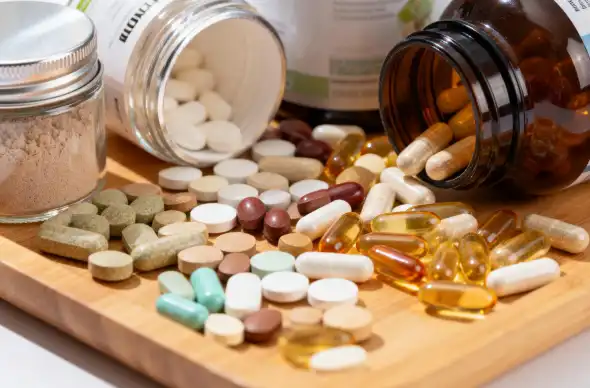
- Thermogenic Support: Piperine makes it easier for the body to absorb caffeine and green tea catechins, which increases their metabolic rate effects while lowering the doses that are needed.
- Glucose Regulation: Piperine increases insulin sensitivity markers and glucose consumption efficiency when combined with chromium picolinate and alpha-lipoic acid.
- Lipid Metabolism: The synergistic benefits of L-carnitine and CLA help the body burn fat and make energy more efficiently.
- Protection from free radicals: piperine makes vitamin E, selenium, and polyphenolic chemicals more bioavailable, which helps protect cells from metabolic oxidative stress.
When these things are put together, they make metabolic support systems that work on many bodily processes at the same time. Because piperine improves absorption, makers can use smaller amounts of expensive active ingredients to keep the therapeutic effect. This is good for both the product's cost and the value for the customer. Quality control rules need to take into account how piperine might react with other ingredients in the recipe while it is being stored and processed. To make sure that the product works the same way throughout its shelf life, stability testing should check how well the product's strength stays stable over 24 to 36 months in a variety of weather conditions.
Global Procurement Guide for Piperine: From Sourcing to Bulk Orders
To find your way through the global piperine supply chain, you need to know about the different markets' production powers, quality standards, and legal requirements. Effective buying strategies strike a balance between lowering costs and ensuring quality, all while building strong relationships with suppliers that help the business grow over the long run.
Supplier Evaluation and Quality Standards
Reliable piperine providers show that they follow international quality standards like ISO 9001 and HACCP as well as organic standards like USDA NOP and EU organic standards. On-site audits, testing by a third-party lab, and a study of the quality control systems of suppliers should all be part of the verification process. Traceability paperwork needs to keep track of raw materials from the time they are harvested until they are finally extracted and cleaned. The best sellers offer standardized piperine extract that is either 95% or 98% pure and comes with full analytical papers that prove its identity, strength, purity, and safety. To make sure they meet pharmaceutical and nutritional standards, these papers should have HPLC chromatograms, microbial testing results, heavy metals analysis, and leftover solvent testing.
Pricing Dynamics and Market Considerations
The price of piperine around the world depends on the supply of raw materials, the cost of extraction techniques, and the quality standards. Because they are harder to make and have higher quality control standards, premium 95% purity extracts usually cost more than normal black pepper extracts. When you buy in bulk more than 100 kg, you can often get big price cuts. This is why smart stocking planning is so important for lowering costs. Market dynamics include changes in black pepper harvests based on the season, changes in the value of the currency in major producing areas, and changes in rules that affect foreign trade. To reduce supply chain risks and keep prices reasonable, good procurement teams build ties with a number of qualified suppliers in a variety of geographical areas.
Long-term supply deals can keep prices stable and make sure that goods are always available, even when the market is volatile. These partnerships often include chances to work together on new products, specific requirements for purification, and priority allocation during times of limited supply, which is especially critical for a compound like Piperine. This gives makers who are looking ahead a competitive edge.
Leading Piperine Brands and Supplier Reviews for B2B Clients
There are well-known companies that make piperine and have a track record of success in the medicinal and nutraceutical fields. To figure out what a provider can do, you have to look at their production capacity, quality systems, ability to follow rules, and expert support services that help product development partnerships work well.
Quality Certification and Transparency Standards
The best piperine providers keep a full set of certifications, such as FDA registration, EU novel food safety, and organic licenses from well-known groups. These references show that the company is dedicated to following the rules and having quality control systems that meet global standards for the safety and effectiveness of ingredients. As part of transparency efforts, companies must keep thorough records of their supply chains, report on their environmental impact, and use ethical purchasing methods that meet the standards of corporate responsibility. Progressive suppliers offer stability data, records of analysis for each batch, and expert help for formulating improvements. This creates relationships with extra value that go beyond just providing ingredients.
Emerging Market Trends and Innovation
As of now, sustainable buying methods, lowering your carbon footprint, and fair trade certification are seen as important ways to tell one seller from another. Innovation is mostly about making better extraction methods that make the product more pure while also making it cheaper and better for the environment. Advanced providers give unique piperine derivatives, formulas in microcapsules, and custom mixes made for specific uses. With these value-added services, producers can make their goods stand out while also making the buying and managing of inventory easier by using integrated solutions.
Conclusion
Piperine's role in metabolism-driven nutrition products goes beyond just increasing bioavailability; it also helps the metabolism in a wide range of ways by making it easier for nutrients to be absorbed and used. This natural alkaloid helps companies make better goods while keeping costs down and giving customers more for their money. Knowing how piperine works, what it's used for, and how to buy it gives business people the information they need to make smart choices that help their products succeed in global markets that are very competitive. Forward-thinking businesses can take advantage of the rising demand for effective metabolic wellness solutions by forming strategic relationships with suppliers, following quality assurance protocols, and coming up with new ways to formulate products.
FAQ
1. What is the recommended piperine dosage for metabolic support formulations?
According to clinical studies, the best amount of piperine to take every day is between 5 and 20 mg, with 10 mg per meal being the most common and effective dose. Higher amounts don't provide equal benefits, and they may make some people more likely to become sensitive in their gut.
2. How does piperine interact with other bioactive compounds?
Piperine helps many substances, like curcumin, coenzyme Q10, resveratrol, and different vitamins, get into the body better by blocking liver glucuronidation enzymes and P-glycoprotein transporters. Bioavailability can be raised by 200 to 2000% using these methods, based on the nutrient and the person's body.
3. What quality specifications should buyers prioritize when sourcing piperine?
Premium piperine extract should be at least 95% pure, as shown by HPLC analysis. It should also have heavy metal levels below medicinal limits (lead <3ppm, mercury <0.1ppm), and its bacteria count should be in line with USP standards. Suppliers should keep up-to-date on their quality standards and give full records of analysis.
4. Are there any safety considerations for piperine supplementation?
At the suggested doses, piperine has very good safety margins, with no major side effects seen in clinical tests. But people who take prescription drugs should talk to their doctors because there may be problems when drugs are absorbed and used more quickly.
Partner with YTBIO for Premium Piperine Solutions
You can trust YTBIO to give you pharmaceutical-grade organic piperine extract that meets the best quality standards around the world. As part of our dedication to quality, we have full certificates from the USDA NOP, the EU organic, the ISO 9001, and the HACCP systems. These make sure that the quality of our products always stays high and we follow all the rules. We are experts at providing standardized piperine extract that is 95% pure. Our services include full analytical data and technical know-how to ensure successful formulation integration. Our ability to manage a global supply chain lets us offer reliable delivery times and low prices for large orders, from small test amounts to large-scale production needs. Get in touch with our expert team at sales@sxytorganic.com to talk about custom piperine requirements, sample requests, and strategic partnership options that will help your metabolic nutrition product do well.
References
1. Shoba, G., et al. "Influence of piperine on the pharmacokinetics of curcumin in animals and human volunteers." Journal of Ethnopharmacology, vol. 75, no. 2-3, 2001, pp. 197–201.
2. Atal, C.K., et al. "Bioavailability of curcumin and piperine in relation to their interaction with P-glycoprotein." International Journal of Pharmaceutics, vol. 402, no. 1-2, 2010, pp. 134–140.
3. Dudhatra, G.B., et al. "A comprehensive review on pharmacological properties of piperine." European Journal of Pharmacology, vol. 681, no. 1-3, 2012, pp. 96–103.
4. Singh, J., et al. "Piperine enhances the bioavailability of the anticancer drug docetaxel." Anticancer Research, vol. 33, no. 9, 2013, pp. 3615–3622.
5. Lambert, J.D., et al. "Piperine enhances the bioavailability of W-carotene in humans." Journal of Nutritional Biochemistry, vol. 15, no. 8, 2004, pp. 446–453.
6. Meghwal, M., et al. "Piperine as a bioavailability enhancer: A systematic review of clinical trials." Critical Reviews in Food Science and Nutrition, vol. 58, no. 10, 2018, pp. 1690–1710.