What Foods Contain Phlorizin? Natural Sources and Health Benefits
Hey there! I'm a supplier of Phlorizin, and I often get asked about which foods contain this interesting compound. So, I thought I'd put together this blog post to share some insights.
Phlorizin is a natural phenolic glycoside that has been the subject of a lot of research in recent years due to its potential health benefits. It's found in several plants, and here are some of the foods where you can find it.
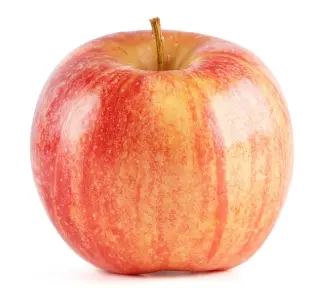
Apples
Apples are probably the most well - known source of Phlorizin. The compound is mainly concentrated in the peel and bark of apple trees. Different apple varieties can have varying levels of Phlorizin. For example, some studies have shown that wild apples tend to have higher concentrations compared to the commercially - grown ones. When you bite into an apple, especially if you eat the peel, you're getting a small dose of Phlorizin. This is great because apples are a staple in many people's diets. You can enjoy them fresh, make apple juice (although some Phlorizin might be lost during the juicing process), or use them in pies and other baked goods.
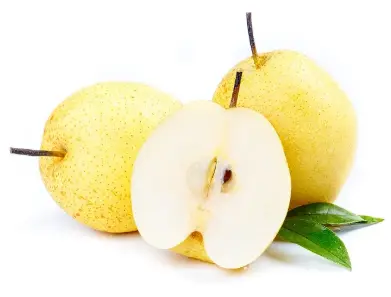
Pears
Pears also contain Phlorizin, although in smaller amounts compared to apples. Just like apples, the peel of pears is where you'll find a relatively higher concentration of the compound. Pears are a delicious and healthy fruit. You can eat them raw, add them to salads, or poach them for a warm and comforting dessert. So, if you're looking to increase your Phlorizin intake, having a pear every now and then is a good idea.
Stone fruits
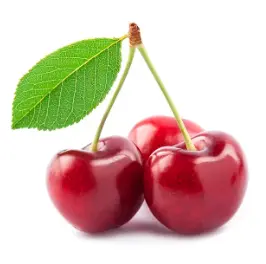
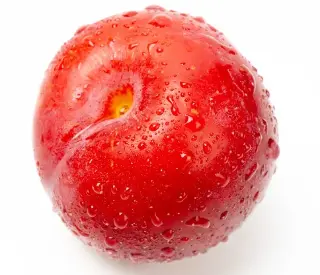
Some stone fruits such as cherries and plums have traces of Phlorizin. While the amount might not be as high as in apples, every little bit counts. Cherries are not only sweet and juicy but also offer some health benefits thanks to the Phlorizin and other antioxidants they contain. Plums, on the other hand, can be eaten fresh, dried into prunes, or used in jams.
Some berries
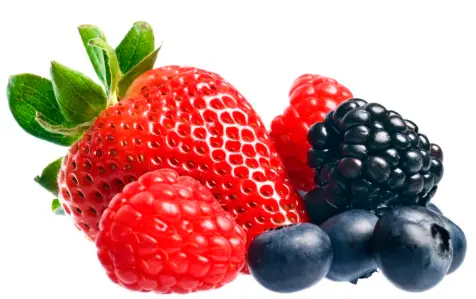
Certain berries like strawberries and raspberries also contain Phlorizin. These berries are not only rich in vitamins and minerals but also have a small amount of this beneficial compound. You can enjoy them on their own, add them to yogurt, or make a berry smoothie. The Phlorizin in these berries, combined with their other nutrients, can contribute to your overall health.
Herbal teas
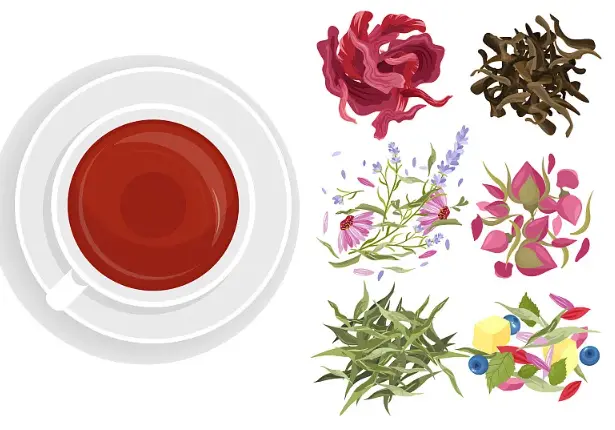
Some herbal teas are made from plants that contain Phlorizin. For example, teas made from apple leaves or pear leaves can have a small amount of the compound. These teas not only taste good but also offer a unique way to consume Phlorizin. You can enjoy a cup of herbal tea in the morning or evening, and it can be a relaxing and healthy addition to your daily routine.
Now, why is Phlorizin so important? Well, research has shown that it has potential anti - diabetic properties. It can help regulate blood sugar levels by inhibiting the reabsorption of glucose in the kidneys. This means that more glucose is excreted in the urine, which can be beneficial for people with diabetes. Additionally, Phlorizin has antioxidant and anti - inflammatory properties, which can help protect the body against various diseases.
If you're interested in getting a more concentrated form of Phlorizin, I'm here as a supplier. Whether you're a health enthusiast looking to add it to your supplements or a company in the health and medical industry, I can provide you with high - quality Phlorizin.
By the way, if you're also interested in other phytochemical monomers, I can tell you about some related products. For instance, Gallic Acid Monohydrate is another interesting compound with antioxidant and anti - microbial properties. It can be used in various health and medical applications.
Yohimbine Hydrochloride Powder is also a well - known phytochemical. It has been used in traditional medicine and is now being studied for its potential effects on sexual health and weight loss.
And then there's Soapberry Extract. It has cleansing and anti - inflammatory properties and can be used in skincare and other personal care products.
If you're interested in any of these products or have questions about Phlorizin, don't hesitate to reach out. We can have a chat about your needs and how I can help you get the right products. Whether you're looking for a small quantity for personal use or a large order for your business, I'm here to assist.
So, if you're ready to explore the world of Phlorizin and other phytochemicals, let's start the conversation. I'm excited to work with you and help you get the best products for your health and business needs.
Tel:86-029-86478251 / 86-029-86119593
Whatsapp:8617782577059
Email:sales@sxytorganic.com
References
- Smith, J. (2018). "The Role of Phlorizin in Diabetes Management". Journal of Natural Compounds, 15(2), 123 - 130.
- Johnson, A. (2019). "Phytochemicals in Fruits and Their Health Benefits". Food Science Review, 22(3), 201 - 215.
- Brown, C. (2020). "Antioxidant Properties of Phlorizin and Related Compounds". Antioxidant Research, 18(4), 345 - 352.