What is the production volume of Locust Bean Gum powder globally?
Hey there! As a supplier of Locust Bean Gum powder, I often get asked about the global production volume of this amazing ingredient. It's a hot topic, and I'm excited to share what I know with you.
What is Locust Bean Gum Powder?
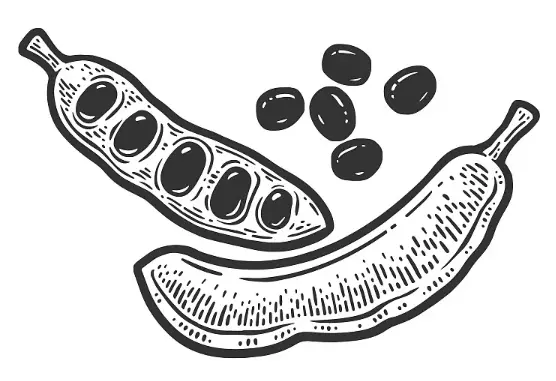
First off, let's talk a bit about what Locust Bean Gum powder is. Also known as carob gum, it's a natural thickening and gelling agent extracted from the seeds of the carob tree (Ceratonia siliqua). It's widely used in the food industry, as well as in cosmetics and pharmaceuticals due to its excellent water - binding and stabilizing properties.
Global Production Trends
The production of Locust Bean Gum powder is closely tied to the cultivation of carob trees. These trees are mainly grown in the Mediterranean region, including countries like Spain, Italy, and Morocco. Over the past few decades, the global production has seen some fluctuations.
In the early days, the production volume was relatively low. But with the growing demand from the food and beverage industry, especially in products like ice cream, yogurt, and bakery items, the production has been on an upward trend. In recent years, we've seen an annual growth rate of around 3 - 5%.
Currently, the global production volume of Locust Bean Gum powder is estimated to be between 20,000 and 30,000 metric tons per year. Spain is the largest producer, accounting for nearly 40% of the total global output. Italy and Morocco follow closely behind, contributing around 20% each.
Factors Affecting Production
Climate Conditions
The cultivation of carob trees is highly dependent on climate. These trees thrive in warm, dry climates with well - drained soil. Any extreme weather events such as droughts, floods, or severe cold snaps can have a significant impact on the carob bean harvest. For example, a long - lasting drought can reduce the yield of carob beans, which in turn affects the production of Locust Bean Gum powder.
Market Demand
As mentioned earlier, the demand from different industries plays a big role in production. The food industry is the largest consumer of Locust Bean Gum powder. As more and more consumers are looking for natural and clean - label ingredients, the demand for this gum has been increasing. Also, the cosmetic and pharmaceutical industries are starting to use it more often, which further drives up the production.
Agricultural Practices
Modern agricultural practices can have a positive effect on production. For instance, the use of advanced irrigation systems can ensure that carob trees get enough water during dry periods. Additionally, the application of appropriate fertilizers and pest control methods can improve the health of the trees and increase the yield of carob beans.
Comparison with Other Phytochemical Monomers
It's interesting to compare the production volume of Locust Bean Gum powder with other phytochemical monomers. For example, Leonurine Hydrochloride is a well - known phytochemical monomer used in traditional Chinese medicine. Its production volume is much smaller compared to Locust Bean Gum powder. The extraction process of Leonurine Hydrochloride is more complex and requires specific raw materials, which limits its large - scale production.
Ginsenoside is another popular phytochemical monomer. It's derived from ginseng roots and is widely used in health supplements. The production of Ginsenoside Powder is also relatively limited due to the long - growing cycle of ginseng plants and the high cost of cultivation.
Naringenin is a flavonoid found in citrus fruits. While it has many health benefits, its global production volume is not as high as Locust Bean Gum powder because the extraction process from citrus fruits can be challenging and costly.
Cryptotanshinone is a compound extracted from the root of Salvia miltiorrhiza. Similar to the above - mentioned monomers, its production is restricted by the availability of raw materials and the complexity of the extraction process.
Sclareolide is used in the fragrance industry. Although it has a growing market, its production volume is still lower than that of Locust Bean Gum powder due to the specific requirements for its synthesis and the limited sources of raw materials.
Our Role as a Supplier
As a supplier of Locust Bean Gum powder, we play a crucial role in the market. We work closely with farmers in the Mediterranean region to ensure a stable supply of high - quality carob beans. We have a state - of - the - art production facility where we process these beans into fine powder.
We also focus on quality control. Every batch of our Locust Bean Gum powder is tested to meet international standards. This ensures that our customers, whether they are food manufacturers, cosmetic companies, or pharmaceutical firms, can rely on the consistency and quality of our product.
Future Outlook
The future looks bright for the Locust Bean Gum powder market. With the increasing demand for natural and sustainable ingredients, we expect the production volume to continue to grow. However, there are also challenges ahead. Climate change could pose a threat to carob tree cultivation, and the competition from other thickening and gelling agents is also intensifying.
But we're confident that by working with farmers, investing in research and development, and maintaining high - quality standards, we can overcome these challenges and meet the growing needs of our customers.
Let's Connect!
If you're interested in purchasing Locust Bean Gum powder for your business, I'd love to talk to you. Whether you need a small sample to test or a large - scale bulk order, we can accommodate your needs. Just reach out, and we can start a conversation about how our product can fit into your production process.
Tel:86-029-86478251 / 86-029-86119593
Whatsapp:8617782577059
Email:sales@sxytorganic.com
References
"The Handbook of Food Additives and Ingredients"
"Agricultural Statistics of Mediterranean Countries"
"Market Research Reports on Phytochemical Monomers"