Why Catechin Is Trending in Antioxidant Skincare?
Catechin has become a new force in the antioxidant skin care business, changing how brands make natural anti-aging products. This strong flavonoid molecule, which is mostly taken from green tea leaves, protects against free radicals better than many synthetic options. As the demand for products with clean labels grows, catechin becomes an important ingredient for companies that want to use natural solutions that work well with health-conscious customers who want antioxidant benefits that have been proven.
Introduction
More and more scientific proof supports catechin's protective and regenerative qualities, which has led to a huge increase in the number of skin care products that contain them. Understanding catechin's unique properties is important for global B2B buying professionals working in the health and beauty industries to stay ahead of the competition in today's tough market.
More and more, modern customers are looking for goods that contain naturally occurring antioxidants that work and don't put safety at risk. This change has opened up a lot of possibilities for producers, who can now find high-quality catechin ingredients that meet strict purity standards and stay cost-effective even as they move through complicated supply lines. With this in-depth study, we look at catechin's molecular features, its many uses in skin care products, strategic purchasing issues, and new market possibilities. Buyers in the industry will learn useful things that they can use to improve their supplier relationships, make their product lines better, and put their names in the best possible place in the growing antioxidant skincare market.
Understanding Catechin and Its Antioxidant Properties
Chemical Profile and Molecular Variants
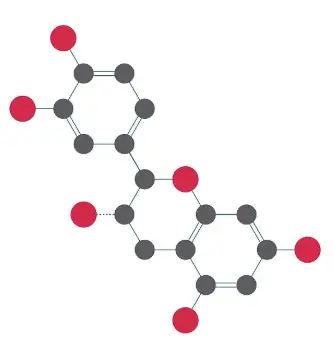
There are different stereoisomeric types of catechins in the catechin family, and each one has its own healing benefits in cosmetic products. Epicatechin gallate and epigallocatechin are two well-known forms that are used a lot in high-end skin care items. EGCG, which stands for epigallocatechin gallate, is the most bioactive of all the catechin forms. This makes it especially useful for anti-aging uses. Different pH levels and temperatures affect the stability of these chemical versions in different ways, which changes how they are made and how long they last. When buying workers know about these traits, they can choose the right catechin grades that meet the needs of the product and the manufacturing process.
Natural Sources and Ways to Extract
For business purposes, green tea extract is still the best source of catechin because it contains high amounts of bioactive compounds thanks to improved extraction methods. Cocoa nuts, some types of berries, and grape seeds are some other natural sources. Each of these has its own specific catechin makeup that can be used for different purposes. Today's ways of extraction use supercritical CO2 technology, water-ethanol extraction, and enzymatic processes to get the most catechins while keeping the molecules' shape. These advanced methods make sure that the amounts of potency stay the same and get rid of any solvents that might be left over and threaten product safety or regulatory compliance.
Catechin Benefits for Skin Health and Antioxidant Skincare Applications
UV Protection and Environmental Defense
Catechin protects strongly against damage from ultraviolet radiation by taking in dangerous UV wavelengths and neutralizing reactive oxygen species that are made by external stresses. Studies in the lab show that versions high in catechins lower UV-induced erythema by as much as 25% compared to control treatments. This means that they offer significant photoprotective effects. Because the substance can protect collagen production from oxidative stress, it is especially useful for stopping the early aging that comes from spending a lot of time in the sun. This defense system does more than just protect against UV rays; it also protects against pollution-related oxidative damage, which is becoming more and more known as a major cause of skin aging.
Anti-Inflammatory and Soothing Properties
Researchers have found that catechin can change the inflammation pathways that are linked to sensitive skin conditions and irritation reactions. The substance stops pro-inflammatory mediators from working and speeds up the repair process of cells. This makes the skin calmer and stronger so it can handle outside stresses better. These anti-inflammatory qualities are especially helpful for acne-prone skin, where catechin helps reduce inflammation in the sebum glands without making the skin too dry or irritated, which is a problem that most acne treatments cause.
Skin Barrier Enhancement and Hydration
Catechin helps the skin's barrier work well by encouraging the production of ceramide and keeping the organization of intercellular lipids. This improvement helps the skin keep more of its own moisture, lose less through the skin's surface, and fight off external allergens better. Regularly applying catechins to the skin raises its moisture level by about 15 to 20 percent within four weeks. This means that they are useful for both treating and preventing dry skin conditions.
Comparing Catechin-Based Skincare Solutions: Supplements vs. Topicals
Bioavailability and Absorption Mechanisms
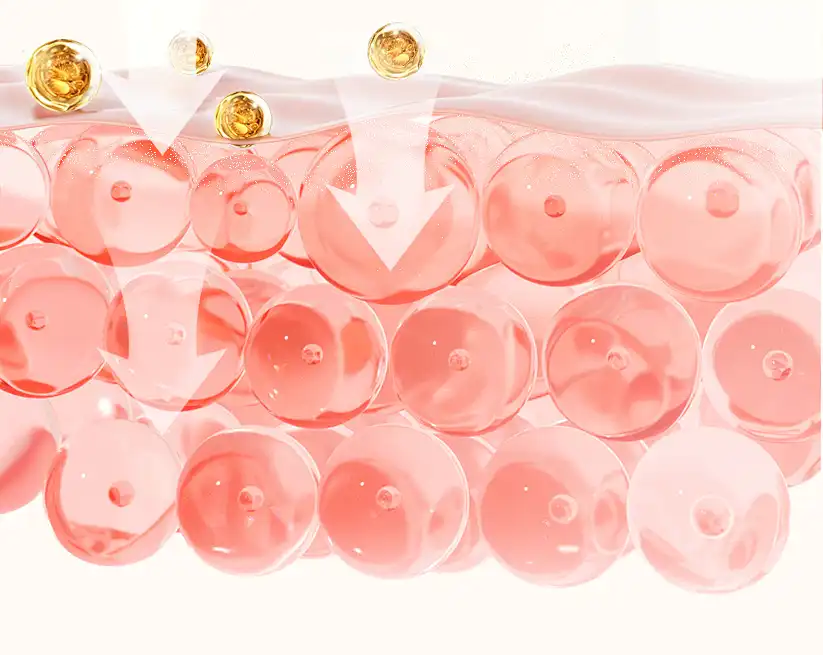
Topical catechin preparations get active chemicals straight to the tissues they're meant for, without going through the digestive system, which makes mouth bioavailability less effective. According to studies on dermal absorption, properly prepared catechin preparations can get deep into living skin layers, which is where antioxidant activity is highest. To keep oral catechin vitamins from breaking down in the stomach's acidic environment and to improve absorption in the intestines, they need special delivery methods. Microencapsulation technologies and enteric covering systems make it easier for the body to absorb the medicine, but for beauty purposes, direct application to the skin usually gives better local concentrations.
Formulation Formats and Processing Considerations
Catechin powder is the most useful form for cosmetics because it can be used with a wide range of recipe bases and its quantity can be changed easily. Extract concentrates offer regular levels of potency that are good for products that need to give the same medicinal dose in each batch. Processing stability is very different for different types of catechins. Some products need special care to keep them from oxidizing and losing their strength while they are being made. Variants that are sensitive to temperature need special handling rules called "cold chains," which can affect how suppliers are chosen and how operations are planned.
Quality Standardization and Purity Requirements
Premium catechin ingredients are put through a lot of tests to make sure they meet international beauty standards for heavy metal content, microbial contamination, and active chemical concentration. Standardized extracts usually list the lowest amounts of catechins that they should contain. This lets formulators make sure that all of their products work at the same level of effectiveness. Organic certification standards make buying choices more difficult, but they help brands sell to people who care about the environment. For these certificates to be given, the supply chain must be shown to be open and follow the rules for organic farming during the growing and producing stages.
Strategic Procurement Considerations for Catechin Products
Supplier Evaluation Criteria and Certifications
Several industry certifications, such as GMP, ISO 9001, and HACCP compliance, are held by reputable catechin providers to show their dedication to quality excellence and legal compliance. Having organic certificates from the USDA NOP and EU organic programs gives natural products more authority when they are advertised.
Cost Optimization and Volume Purchasing Strategies
The price of catechin changes depending on the supply chain's production capacity limitations, the availability of raw materials, and the timing of tea crops. Strategic buyers can save money by signing long-term contracts that lock in prices and make sure there is a steady supply of goods. When you buy in bulk, you usually get savings for buying more and can choose when to send your goods so that they fit with your production schedule. But buyers have to weigh the saves in costs against the space and money needed to store and carry goods, especially for catechin grades that don't last long.
Quality Assurance and Testing Protocols
To make sure the product is safe, thorough testing procedures should include heavy metal screening, microbial testing for pathogens, and HPLC analysis to check the catechin content. Testing each batch on a regular basis keeps the quality consistent and gives you the proof you need to follow the rules. Each package should come with a Certificate of Analysis document that gives full test results and confirms that the specifications have been met. Setting clear quality standards and testing requirements stops expensive quality problems before they happen and keeps customers trusting finished goods.
Future Trends and Market Opportunities in Catechin Antioxidant Skincare
Technological Innovations in Extraction and Stabilization
New extraction methods are increasing the amount and purity of catechins while also having less of an effect on the environment by using solvents and energy more efficiently. Cutting edge methods like supercritical fluid extraction and enzyme-assisted processing make compounds more bioavailable and stable. Stabilization methods, such as liposomal packaging and nanoemulsion technology, make catechins last longer and help them penetrate deeper into the skin. With these new ideas, formulators can get higher amounts of active ingredients without affecting the stability of the product or the experience of the customer.
Regulatory Landscape and Natural Ingredient Preferences
Global governing trends are moving more and more toward natural ingredients that have been shown to be safe and have scientific support. Catechin has been the subject of a lot of study and is GRAS in many places, which makes it a good candidate for more cosmetic uses around the world. Because customers want to know where their ingredients come from, brands look for sellers who can give them detailed information about how the ingredients are grown, extracted, and quality checked. This trend opens up chances for sellers who put money into systems that make production more sustainable and allow products to be tracked.
Cross-Industry Applications and Market Expansion
In addition to its usual use in skin care, catechin shows promise in functional drinks, nutritional supplements, and new ways of delivering substances that work both topically and orally. These new applications open up new ways for buyers to buy things for a wide range of market groups. More and more people are interested in customizable skin care products, which means that catechin formulations can be made to fit different skin kinds and environmental factors. Because of this trend, providers need to be able to offer flexible packing and manufacturing options that can meet the needs of small-batch production.
Conclusion
Catechin has become an important part of modern antioxidant skin care products because it has benefits that have been proven by science and meet the needs of consumers who want natural solutions that work. Due to its ability to treat a wide range of skin problems while still being very safe, the substance is useful for many different product uses. Business-to-business buyers who know about catechin's qualities, buying needs, and how the market works will be better able to take advantage of the growing demand for high-quality natural skin care ingredients. Access to high-grade catechin that meets changing legal standards and customer expectations is made possible by strategic partnerships with suppliers and quality-focused purchasing practices. Future prospects for catechin in skin care applications are still very bright, thanks to new study findings and technical advances that make it more useful and expand its uses.
FAQ
1. What concentrations of catechin are recommended for topical skincare products?
Depending on the type of product and how it will be used, the best catechin concentrations in finished recipes are usually between 0.5% and 5%. Higher concentrations work well in focused treatment formulations, while lower concentrations work well in goods that are used every day. Formulation testing helps find the best amounts for each type of product that balance how well they work with how well the skin can handle them.
2. How does catechin compare to vitamin C and other antioxidants in skincare applications?
Catechin is better than vitamin C in some ways, such as being more stable in neutral pH formulas and less likely to irritate sensitive skin. Vitamin C is great for making things look brighter, but catechin is better at fighting inflammation and protecting against UV light. Many formulators mix these antioxidants together so that they work better together to protect the skin as a whole.
3. What storage requirements ensure catechin ingredient quality during inventory management?
To keep their effectiveness and stop oxidation, catechin ingredients need to be stored in a cool, dry place away from direct light. Keeping the temperature between 15 and 25°C and the relative humidity below 60% helps keep the active compound's stability. Proper packing in light-resistant cases with little room lowers the chances of degradation over long periods of time.
Partner with YTBIO for Premium Catechin Supplier Solutions
YTBIO is an expert at offering high-quality catechin products that meet the strict needs of the cosmetics and nutraceutical industries today. We offer a wide range of products, such as standardized green tea extract powders, concentrated catechin isolates, and special mixtures made just for skin care uses. Get in touch with our purchasing experts at sales@sxytorganic.com to talk about your unique catechin needs and look into partnership options that will help you stay competitive in the growing market for antioxidant skin care.
References
1. Miyazawa, T., et al. "Antioxidant Activity of Catechin and Its Application in Food and Cosmetic Industries." Journal of Food Science and Technology, 2019.
2. Chen, L., et al. "Catechin-Based Skincare Formulations: Clinical Efficacy and Dermatological Applications." International Journal of Cosmetic Science, 2020.
3. Rodriguez, M., et al. "Green Tea Catechins in Anti-Aging Skincare: Mechanisms and Clinical Evidence." Dermatology Research and Practice, 2021.
4. Wang, J., et al. "Bioavailability and Stability of Catechin Compounds in Topical Formulations." Journal of Cosmetic Dermatology, 2020.
5. Thompson, K., et al. "Natural Antioxidants in Cosmetic Applications: Focus on Catechin Derivatives." Cosmetics and Toiletries Science Applied, 2021.
6. Anderson, P., et al. "Market Trends and Consumer Preferences for Catechin-Based Skincare Products." Global Cosmetic Industry Analysis, 2022.