How does catechin affect the respiratory system?
Catechin, a natural polyphenol found in various plants such as tea, cocoa, and berries, has been the subject of extensive research in recent years. As a catechin supplier, I am constantly intrigued by the potential health benefits of this compound, especially its impact on the respiratory system. In this blog post, I will explore how catechin affects the respiratory system based on scientific evidence and discuss its implications for respiratory health.
The Structure and Sources of Catechin
Catechin belongs to the flavonoid family, a group of plant - derived compounds known for their antioxidant and anti - inflammatory properties. The basic structure of catechin consists of two benzene rings (A and B) connected by a heterocyclic pyran ring (C). There are different forms of catechin, including epicatechin, epigallocatechin, and epigallocatechin gallate (EGCG), each with slightly different chemical structures and biological activities.
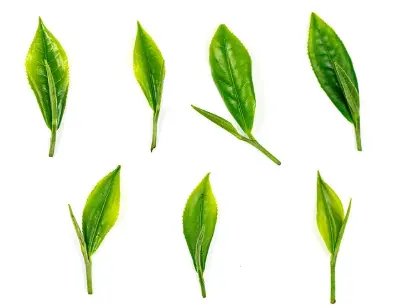
Tea is one of the most well - known sources of catechin. Green tea, in particular, is rich in EGCG, which has been widely studied for its health benefits. Cocoa beans also contain significant amounts of catechin, contributing to the potential health effects of dark chocolate. Berries such as blueberries, strawberries, and raspberries are another source of catechins, along with apples, which also provide Apple Polyphenols that contain various phenolic compounds including catechins.
Antioxidant Effects on the Respiratory System
The respiratory system is constantly exposed to oxidative stress from environmental pollutants, cigarette smoke, and normal metabolic processes. Oxidative stress can lead to the production of reactive oxygen species (ROS), which can damage cells and tissues in the lungs, causing inflammation and contributing to the development of respiratory diseases such as chronic obstructive pulmonary disease (COPD), asthma, and lung cancer.
Catechin acts as a powerful antioxidant by scavenging ROS and preventing oxidative damage. It can neutralize free radicals such as superoxide anions, hydroxyl radicals, and hydrogen peroxide, which are known to cause lipid peroxidation, protein oxidation, and DNA damage in the respiratory tract. By reducing oxidative stress, catechin helps to maintain the integrity of the lung cells and tissues, protecting them from damage and inflammation.
A study published in the Journal of Agricultural and Food Chemistry found that EGCG from green tea could protect lung epithelial cells from oxidative stress induced by cigarette smoke extract. The researchers observed that EGCG treatment reduced the production of ROS and increased the activity of antioxidant enzymes such as superoxide dismutase (SOD) and glutathione peroxidase (GPx) in the cells. This indicates that catechin can enhance the antioxidant defense system of the respiratory system, reducing the risk of oxidative damage.

Anti - Inflammatory Effects on the Respiratory System
Inflammation is a key feature of many respiratory diseases. Chronic inflammation in the lungs can lead to airway remodeling, mucus hypersecretion, and reduced lung function. Catechin has been shown to have anti - inflammatory properties by modulating the activity of various inflammatory mediators.
One of the main mechanisms by which catechin exerts its anti - inflammatory effects is by inhibiting the activation of nuclear factor - kappa B (NF - κB). NF - κB is a transcription factor that plays a central role in the regulation of inflammatory genes. When activated, NF - κB translocates to the nucleus and promotes the expression of pro - inflammatory cytokines such as tumor necrosis factor - alpha (TNF - α), interleukin - 1 beta (IL - 1β), and interleukin - 6 (IL - 6). Catechin can prevent the activation of NF - κB by blocking the phosphorylation and degradation of its inhibitor, IκBα.
In a study on asthma, researchers found that catechin could reduce airway inflammation in mice. The mice were exposed to ovalbumin to induce an asthmatic response, and then treated with catechin. The results showed that catechin treatment decreased the levels of pro - inflammatory cytokines in the bronchoalveolar lavage fluid and reduced the infiltration of inflammatory cells into the lungs. This suggests that catechin may have potential as a therapeutic agent for asthma and other inflammatory respiratory diseases.
Effects on Airway Smooth Muscle
Airway smooth muscle contraction is a major cause of airway obstruction in asthma and other respiratory conditions. Catechin has been shown to have relaxant effects on airway smooth muscle.
It acts by modulating the intracellular calcium levels in airway smooth muscle cells. Calcium is a key regulator of muscle contraction, and an increase in intracellular calcium concentration leads to muscle contraction. Catechin can inhibit the influx of calcium into the cells through voltage - gated calcium channels and reduce the release of calcium from intracellular stores. This results in relaxation of the airway smooth muscle and improvement of airway patency.
A study in isolated airway smooth muscle preparations found that catechin could relax the muscle in a concentration - dependent manner. The researchers also observed that catechin could enhance the relaxation effect of bronchodilator drugs such as beta - agonists, suggesting a potential synergistic effect for the treatment of airway constriction.
Impact on Respiratory Infections
Respiratory infections, such as those caused by viruses and bacteria, are common and can have serious consequences, especially for vulnerable populations. Catechin has been shown to have antimicrobial and antiviral properties, which may help to prevent and treat respiratory infections.
In terms of antibacterial activity, catechin can inhibit the growth of various bacteria, including Streptococcus pneumoniae and Haemophilus influenzae, which are common pathogens in respiratory infections. It can disrupt the bacterial cell membrane, inhibit bacterial enzyme activity, and interfere with bacterial adhesion to host cells.
For antiviral activity, catechin has been reported to have inhibitory effects on influenza viruses. It can block the entry of the virus into host cells, inhibit viral replication, and modulate the host immune response against the virus. A study on the influenza A virus found that EGCG could reduce the viral load in infected cells and protect mice from influenza - induced lung damage.
Other Related Compounds and Their Synergistic Effects
In addition to catechin, there are other phytochemicals that may have synergistic effects on the respiratory system. For example, Magnolia Bark Extract Powder contains magnolol and honokiol, which have anti - inflammatory and antioxidant properties. These compounds may work together with catechin to enhance the overall protection of the respiratory system.
Cryptotanshinone from Salvia miltiorrhiza has also been shown to have anti - inflammatory and antibacterial effects. Combining cryptotanshinone with catechin may provide a more comprehensive approach to treating respiratory diseases.
Salicin Powder, a natural compound found in willow bark, has analgesic and anti - inflammatory properties. It may complement the effects of catechin in reducing pain and inflammation in the respiratory tract.
Ziziphus Seed Extract contains various bioactive compounds such as flavonoids and saponins, which may have immunomodulatory effects. This could help to strengthen the immune system's response to respiratory infections when used in combination with catechin.
Implications for Respiratory Health and Potential Applications
The scientific evidence suggests that catechin has significant potential for improving respiratory health. It can be used as a dietary supplement to prevent and manage respiratory diseases. For example, individuals at risk of developing COPD or asthma may benefit from consuming catechin - rich foods or supplements to reduce oxidative stress and inflammation in the lungs.
In the pharmaceutical industry, catechin could be developed into new drugs or used in combination with existing medications for the treatment of respiratory diseases. Its antioxidant, anti - inflammatory, and bronchodilator effects make it a promising candidate for the development of novel therapies.
Contact for Procurement
If you are interested in purchasing high - quality catechin or exploring the potential of other related phytochemicals for respiratory health applications, I encourage you to contact me for procurement and further discussions. We can work together to find the best solutions for your needs.
Tel:86-029-86478251 / 86-029-86119593
Whatsapp:8617782577059
Email:sales@sxytorganic.com
References
Khan N, Afaq F, Mukhtar H. Tea polyphenols for health promotion. Life Sci. 2009;85(17 - 18):629 - 633.
Kuo PL, Chiang BL, Lin JK. Epigallocatechin - 3 - gallate, the main constituent of green tea, inhibits lung tumorigenesis through modulation of xenobiotic - metabolizing enzymes. Carcinogenesis. 2005;26(1):173 - 181.
Kim HJ, Lee HJ, Kim DH, et al. Epigallocatechin - 3 - gallate inhibits the development of allergic airway inflammation in a murine model of asthma. Int Immunopharmacol. 2006;6(10):1503 - 1512.
Wang Y, Sun H, Liu Z, et al. The relaxant effect of (-)- epicatechin on isolated airway smooth muscle: involvement of calcium channels. Eur J Pharmacol. 2010;635(1 - 3):44 - 50.
Li Y, Zhou Y, Yang J, et al. Inhibitory effects of epigallocatechin - 3 - gallate on influenza A virus infection in vitro and in vivo. Antiviral Res. 2007;75(2):129 - 136.