Is Berberine HCL powder effective for treating fatty liver?
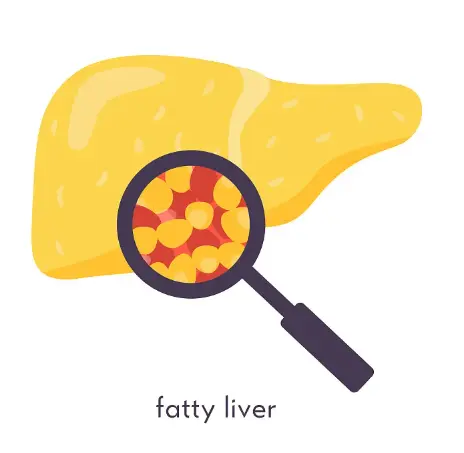
Fatty liver, a prevalent liver condition, has become a significant health concern globally. Characterized by the excessive accumulation of fat in liver cells, it can range from a relatively benign state to more severe forms that may lead to liver damage and other complications. In recent years, there has been growing interest in natural compounds as potential treatments for fatty liver, and one such compound that has caught the attention of researchers and health enthusiasts alike is Berberine HCL powder. As a supplier of Berberine HCL powder, I am often asked about its effectiveness in treating fatty liver. In this blog post, I will delve into the scientific evidence behind Berberine HCL powder's potential benefits for fatty liver and explore its mechanisms of action.
Understanding Fatty Liver
Before we discuss the potential of Berberine HCL powder, it's essential to understand what fatty liver is and what causes it. There are two main types of fatty liver: alcoholic fatty liver disease (AFLD) and non - alcoholic fatty liver disease (NAFLD). AFLD is caused by excessive alcohol consumption, while NAFLD is associated with factors such as obesity, insulin resistance, high blood sugar, and high levels of triglycerides in the blood.
NAFLD is particularly concerning as it has become increasingly common in developed countries. It is often asymptomatic in its early stages, but if left untreated, it can progress to non - alcoholic steatohepatitis (NASH), which involves liver inflammation and can lead to fibrosis, cirrhosis, and even liver cancer.
What is Berberine HCL Powder?
Berberine is a natural isoquinoline alkaloid found in several plants, including goldenseal, barberry, Oregon grape, and Chinese goldthread. Berberine HCL is the hydrochloride salt form of berberine, which is more stable and water - soluble, making it easier to absorb in the body.
Berberine has a long history of use in traditional Chinese and Ayurvedic medicine for treating various ailments, such as diarrhea, inflammation, and infections. In recent years, modern scientific research has begun to uncover its potential health benefits, including its effects on metabolic disorders and liver health.
Scientific Evidence for Berberine HCL Powder in Treating Fatty Liver
Numerous pre - clinical and clinical studies have investigated the potential of berberine in treating fatty liver.
Pre - clinical Studies
In animal models of fatty liver, berberine has shown promising results. For example, a study conducted on mice with high - fat diet - induced fatty liver found that berberine treatment reduced liver fat accumulation, improved liver function markers, and decreased inflammation. Berberine was found to regulate lipid metabolism by inhibiting the expression of genes involved in fatty acid synthesis and promoting fatty acid oxidation.
Another pre - clinical study demonstrated that berberine could improve insulin sensitivity in the liver. Insulin resistance is a key factor in the development of NAFLD, and by enhancing insulin sensitivity, berberine may help to reduce the accumulation of fat in the liver.
Clinical Studies
Clinical trials on humans have also provided some evidence of berberine's effectiveness in treating fatty liver. A randomized, double - blind, placebo - controlled trial involving patients with NAFLD found that berberine supplementation for 12 weeks led to significant reductions in liver fat content, as measured by magnetic resonance imaging (MRI). The study also reported improvements in liver function tests, such as alanine aminotransferase (ALT) and aspartate aminotransferase (AST), which are markers of liver damage.
In addition to its direct effects on liver fat, berberine has been shown to have beneficial effects on other metabolic parameters associated with fatty liver. It can lower blood sugar levels, reduce triglyceride and cholesterol levels, and improve body weight and body mass index (BMI) in patients with NAFLD.
Mechanisms of Action
Berberine exerts its beneficial effects on fatty liver through multiple mechanisms:
Regulation of Lipid Metabolism
Berberine can inhibit the activity of key enzymes involved in fatty acid synthesis, such as fatty acid synthase (FAS). By reducing the synthesis of fatty acids, it helps to prevent the accumulation of fat in the liver. At the same time, it promotes fatty acid oxidation in the liver by activating AMP - activated protein kinase (AMPK), an enzyme that plays a central role in energy metabolism.
Improvement of Insulin Sensitivity
Insulin resistance is a major contributor to the development of NAFLD. Berberine can enhance insulin sensitivity by activating insulin - signaling pathways in the liver. This leads to better glucose uptake and utilization, reducing the amount of glucose that is converted into fat in the liver.
Anti - inflammatory and Anti - oxidative Effects
Inflammation and oxidative stress are important pathological processes in the development and progression of fatty liver. Berberine has anti - inflammatory properties and can inhibit the production of pro - inflammatory cytokines. It also has antioxidant effects, which can protect liver cells from oxidative damage caused by free radicals.
Other Related Natural Compounds
In addition to Berberine HCL powder, there are other natural compounds that may also have potential benefits for liver health. For example, Ecdysterone is a plant steroid that has been shown to have anabolic and antioxidant effects. Esculin Powder has anti - inflammatory and antioxidant properties, which may be beneficial for liver protection. Liquiritin from licorice root has been reported to have hepatoprotective effects. Broken Wall Pine Pollen is rich in nutrients and bioactive substances that may support overall liver function. Tremella Fuciformis Polysaccharide has immunomodulatory and antioxidant effects, which may also play a role in liver health.
Conclusion and Call to Action
Based on the scientific evidence, Berberine HCL powder shows significant potential in treating fatty liver. Its ability to regulate lipid metabolism, improve insulin sensitivity, and reduce inflammation and oxidative stress makes it a promising natural treatment option for patients with fatty liver.
If you are interested in learning more about Berberine HCL powder or other natural compounds for liver health, or if you are considering purchasing our high - quality Berberine HCL powder, please feel free to contact us for further discussion and procurement negotiation. We are committed to providing you with the best products and services to meet your needs.
Tel:86-029-86478251 / 86-029-86119593
Whatsapp:8617782577059
Email:sales@sxytorganic.com
References
Dong, B., et al. (2014). Berberine improves lipid metabolism in high - fat diet - induced obese rats by regulating the expression of genes involved in lipogenesis and fatty acid oxidation. Journal of Ethnopharmacology, 155(1), 553 - 561.
Zhang, X., et al. (2012). Berberine improves lipid metabolism in high - fat diet - induced obese mice by activating AMP - activated protein kinase and suppressing lipogenic gene expression. Journal of Agricultural and Food Chemistry, 60(47), 11733 - 11740.
Yin, J., et al. (2008). Efficacy of berberine in patients with type 2 diabetes mellitus. Metabolism, 57(5), 712 - 717.
Huang, C., et al. (2015). Berberine reduces liver fat content in patients with non - alcoholic fatty liver disease: a randomized, double - blind, placebo - controlled trial. Journal of Gastroenterology and Hepatology, 30(10), 1664 - 1670.