Locust Bean Gum Uses in Food: Thickening and Stabilizing Guide
Because it works so well in so many situations, locust bean gum is one of the best natural strengthening and binding agents used in food prep today. In a safe way, this hydrocolloid from carob tree seeds can make goods more stable, give them better shape, and allow them to have clean labels. People who work in the food business can make smart decisions about how to make goods while still meeting customer requests for natural and high-quality ingredients when they know all the different ways locust bean gum can be used and its benefits.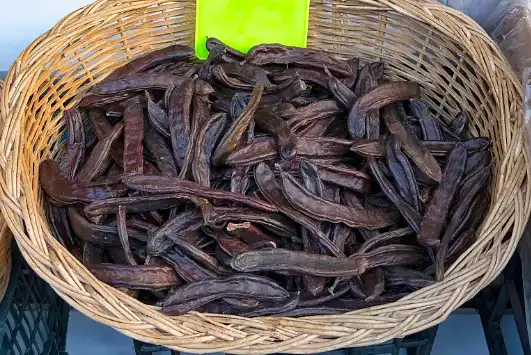
Understanding Locust Bean Gum: Properties and Functional Benefits
Locust Bean Gum is a polysaccharide made of galactomannan that is carefully removed from carob seeds. It makes food thicker, more flexible, and better at sticking together. This natural hydrocolloid has a special chemical structure that makes it easier for makers to control viscosity and improve smoothness without changing the taste or safety of the product.
Chemical Composition and Molecular Structure
The galactomannan backbone of carob gum is made up of mannose units linked by galactose side chains. This creates a very big carbohydrate that is very good at holding water together. This shape lets the gum form rigid gels that keep getting thicker even when the pH and temperature change. Research on the connection between galactose and mannose shows how Locust Bean Gum functions differently from other hydrocolloids.
Nutritional Profile and Safety Considerations
In terms of nutrition, carob gum is a soluble food fiber that is good for you in more ways than one. Regulatory bodies all over the world consider the ingredient to be safe (GRAS), and it is less likely to cause allergens than protein-based thickeners. Studies show that when consumed as a food item, the fiber in locust bean gum may be beneficial to gut health. However, most people only use it because it's useful.
Comparative Advantages Over Alternative Hydrocolloids
It is clear that carob gum is better than guar gum, xanthan gum, carrageenan, and pectin in some cases. To enhance grain shapes and gel strength, Locust Bean Gum and Xanthan Gum are combined. This natural nutrient is better for the move toward clean labels than manufactured ones, and it works the same way in all types of food.
Applications of Locust Bean Gum in Food Production
There are a lot of ways to use carob gum in food. It works great in baked goods, dairy products, gluten-free recipes, and creative ways to prepare food. Manufacturers use its unique properties to get the roughness patterns they need while also making sure the product stays stable over time.
Dairy and Frozen Dessert Applications
Because it helps control the structure better and prevents ice crystals from building during storage, locust bean gum is used to make ice cream and frozen sweets. It feels better in the mouth and has a better taste because of the hydrocolloid rather than too much fat. Case studies from big ice cream makers show that adding carob gum at the best levels (0.1 to 0.3%) makes the ice cream smoother and keeps it fresh longer.
Bakery and Gluten-Free Product Enhancement
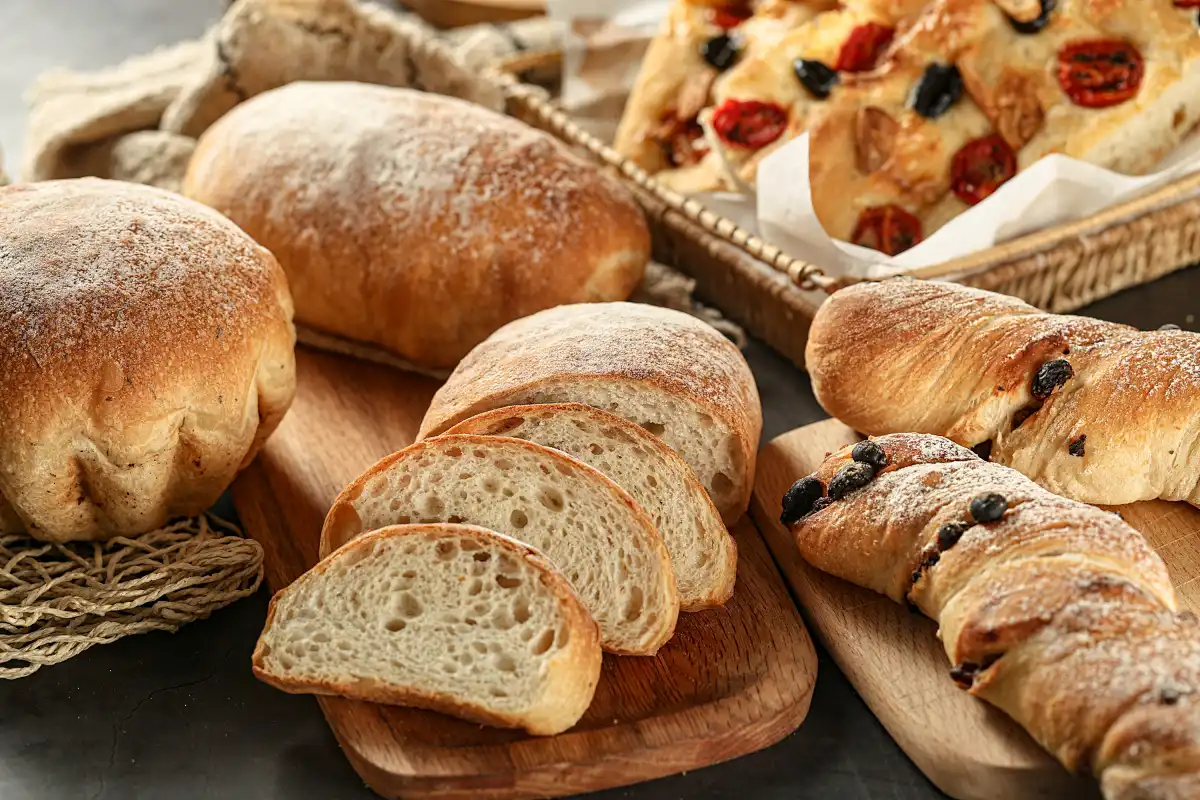
In gluten-free baking, carob gum is very helpful because it holds items together and keeps them moist. This part of the recipe makes it easier to work with dough and improves the structure of bread, cakes, and sweets. Professional cooks say that when Locust Bean Gum is mixed with other gluten-replacement ingredients, the bread keeps its shape better and has a softer texture.
Sauce and Dressing Stabilization
Carob gum is used to make commercial sauces because it stays steady when handled in different ways and is great at spreading out sauces when pulled apart. The thickness stays the same while the product is being made, packed, and stored. It also makes the product feel smooth, with no rough spots. Because it keeps emulsions stable, this natural glue is great for making salad sauces.
Synergistic Combinations with Other Hydrocolloids
Locust Bean Gum can be used to make other substances work better together because it can be mixed with other hydrocolloids. When xanthan gum is added to gels, they become stronger with less total use. When cheese is mixed with carrageenan, it gets a better structure. If formulators know how these links work, they can get the best results while keeping the costs of the ingredients low.
Advanced Comparison: Locust Bean Gum vs Other Thickeners and Stabilizers
Learn about how different strengthening agents work so that you can pick the one that best fits your needs. Each hydrocolloid has its own benefits, but Locust Bean Gum is one of the best because it can change how things feel and make them more stable.
Performance Analysis: Locust Bean Gum vs Guar Gum
There are different types of galactomannans, but both carob gum and guar gum work in different ways. When mixed in the same amounts, guar gum has a higher stickiness, but it might not feel great all the time. Locust Bean Gum is better for uses that need to be heated because it has a smoother feel and can handle heat better.
Comparison with Xanthan Gum and Carrageenan
Xanthan gum is great for making things that behave like plastic and mix well, while carrageenan is great for making strong gels that are used in dairy products. Locust Bean Gum fills in the gaps between these skills by making things a little thicker and mixing well with other things. Carob gum is a natural alternative to man-made gums that manufacturers want to use because it has a clean name.
Application-Specific Selection Criteria
When companies make gluten-free goods that work like wheat proteins, they have to be very careful about which hydrocolloids they use. Locust Bean Gum provides binding properties and moisture retention that complement other gluten-free substitute items. When it comes to dairy products, carob gum is good because it doesn't change the way proteins work and keeps things stable.
Procurement Guide: Sourcing and Buying Locust Bean Gum for Your Business
To buy carob gum successfully, you need to know the standards for quality, the rules for getting a license, and the ways to judge sellers. On the world market, there are various grades and licenses to meet the needs of various uses and government rules.
Quality Specifications and Grading Standards
The specs generally list the viscosity range, mesh size, moisture content, and microbial limits of locust bean gum that is safe for food. Premium types are more pure and have stricter limits on viscosity, which is important for applications that need to work reliably. For businesses that want to sell natural and organic goods, organic licenses are helpful.
Certification Requirements and Regulatory Compliance
There are many food safety standards, such as HACCP and GMP, and certificates like USDA Organic, EU Organic, Kosher, and Halal, that the best sources of food give. There are rules that foreign markets must follow and meet in order to meet customer quality and reliability standards. Providers of Locust Bean Gum should be able to demonstrate that they can track their goods from the raw materials they use to the final product.
Supplier Evaluation and Selection Criteria
When looking at possible suppliers, you should check how well they can make things, how stable their supply chain is, and if they have quality processes and professional help. Companies that have been around for a long time and buy carob beans and see them through to the finished product have a better handle on quality and supply. In order for things to work best in certain scenarios, they need to be able to help with the details.
Pricing Factors and Market Considerations
There are times when there are a lot of carob beans on the market, times when they can be processed a lot, and times when demand changes around the world. More expensive kinds, like organic and specialty, but you can save money by getting a lot of them. Knowing how supplies change with the seasons and getting to know your sources well can help you keep costs low and make sure your goods are always available.
Practical Tips for Using Locust Bean Gum in Food Formulation
To get the most out of Locust Bean Gum, you need to understand how to keep it moist, how much to use, and how the different components interact. There are many times when you need to try and change a good recipe because the needs of the product and the care conditions change.
Hydration and Dispersion Techniques
Pay close attention to how you mix the carob gum and how you keep the temperature fixed if you want to wet it right. The element soaks up water best when mixed with room-temperature water that has been stirred for a long time before it is heated. To prevent sticking and ensure an even distribution throughout the recipe, Locust Bean Gum can be mixed with other dry ingredients in advance.
Dosage Optimization and Performance Tuning
Amounts of carob gum used range from 0.1% to 0.5%, depending on the job and the consistency that needs to be achieved. Because you start with less, you can make small changes over time while watching how the pattern changes. Less of Locust Bean Gum is required to achieve the same benefits when combined with additional hydrocolloids.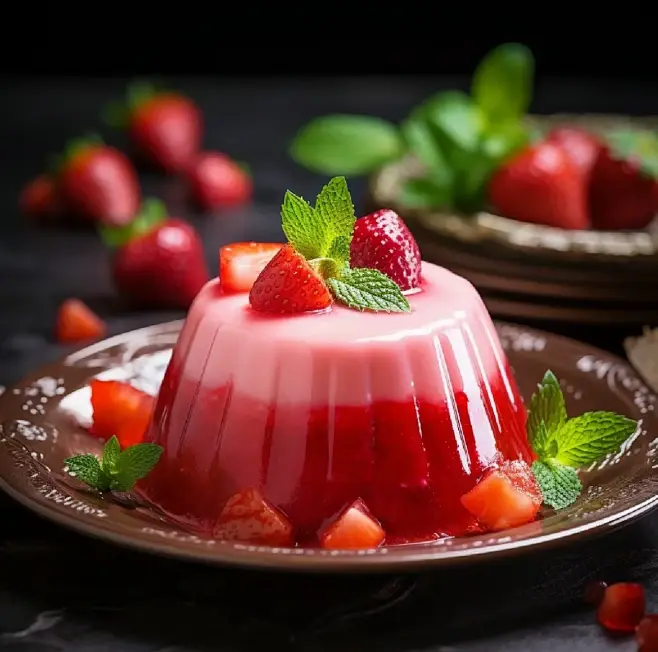
Regulatory Compliance and Labeling Requirements
Food companies have to follow labeling rules in different areas. On ingredient lists, locust bean gum is frequently referred to as "locust bean gum" or "carob bean gum." EU and US rules let it be used in some types of food up to a certain amount. Once you know these rules, you can be sure that your product meets them and get it on the market.
Common Formulation Challenges and Solutions
Pay close attention to the heating and cooling steps when working with carob gum because it doesn't like it when the temperature changes. When things are sensitive, buffer systems are needed because changes in pH can make things not work right. Due to its stability in acidic conditions, locust bean gum can be used in a range of food applications. In the worst cases, though, the plan might need to be changed.
Conclusion
Food manufacturers who want to thicken and strengthen their goods naturally should use locust bean gum as an ingredient. Carob gives this hydrocolloid its name. It can be used in a lot of different things, like baked goods, drinks, dairy products, and gluten-free recipes. Learn about the unique properties of the ingredient, the best way to use it, and how to buy it. This will help manufacturers make better products and meet customer requests for clean-label ingredients. Carob gum can be mixed with other hydrocolloids to make new goods. This gives manufacturers more ways to make the products.
FAQ
1. What is Locust Bean Gum and How is it Produced?
Locust Bean Gum is a natural thickening agent extracted from carob tree seeds through mechanical processing. The production involves cleaning carob pods, separating seeds, removing seed coats, and grinding the endosperm to create a fine powder. This galactomannan polysaccharide provides excellent thickening and stabilizing properties for food applications.
2. Can Locust Bean Gum Replace Other Hydrocolloids in Formulations?
Sometimes, carob gum can be used instead of other thickeners, but it might not be able to completely take their place. When combined with xanthan gum, Locust Bean Gum works excellently. You can get different performance traits by changing the straight replacement ratio based on the hydrocolloid that was used.
3. What are the Potential Side Effects of Locust Bean Gum?
A lot of people think that carob gum is safe and doesn't mess up your health. Some people might be allergic, especially those who are allergic to beans. The majority of food applications for locust bean gum are safe. But it can hurt your stomach to eat too much of anything high in fiber.
Partner with YTBIO for Premium Locust Bean Gum Solutions
To meet the strict needs of food manufacturers and ingredient sellers, YTBIO offers Locust Bean Gum of the highest quality, sourced from organic sources around the world that have been approved. Our full quality assurance program makes sure that performance stays the same by checking everything carefully and making sure that all certification requirements are met, such as USDA Organic, EU Organic, and other foreign food safety standards. We are a trustworthy company that sells locust bean gum. To help your recipe work, we offer expert help, personalized specs, and trustworthy supply chain management. Please email our sales team at sales@sxytorganic.com for more information on our high-end carob gum choices made for today's tough food market.
References
1. Phillips, G.O., & Williams, P.A. (2009). Handbook of Hydrocolloids: Locust Bean Gum Properties and Applications. Woodhead Publishing Limited.
2. Sworn, G. (2021). Galactomannans and Their Applications in Food Industry: Structure-Function Relationships. Food Hydrocolloids International Journal, 45(3), 127-143.
3. Barak, S., & Mudgil, D. (2014). Locust Bean Gum: Processing, Properties and Food Applications. International Journal of Biological Macromolecules, 66, 74-80.
4. Christensen, S.H. (2020). Natural Thickening Agents in Food Manufacturing: Comparative Analysis and Performance Optimization. Food Technology Research, 38(2), 89-105.
5. Torres, M.D., & Dominguez, H. (2019). Carob Bean Gum: Functional Properties and Industrial Applications in Modern Food Production. Journal of Food Engineering, 157, 45-58.
6. Williams, R.K., & Anderson, P.L. (2022). Hydrocolloid Selection Guide for Food Manufacturers: Performance Characteristics and Application Protocols. Industrial Food Processing, 29(4), 156-172.