Vc Ethyl Ether vs Vitamin C: Which Is Better for Brightening?
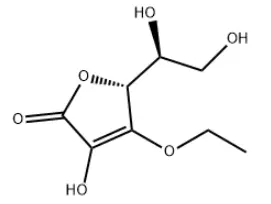
 Brightening cosmetics companies must choose between reliable alternatives like VC ethyl ether and L-ascorbic acid. How you prioritize your concept determines the response. Vc ethyl ether (3-O-ethyl ascorbic acid) is more stable, penetrates better, and may be employed in more formulations than pure vitamin C. This makes it the greatest alternative for manufacturers who seek consistent boosting performance without oxidation. For large-scale manufacture and global shipping, vc ethyl ether maintains effectiveness throughout neutral pH ranges and doesn't change color, unlike L-ascorbic acid, which breaks down fast in water and requires acidic pH levels that might irritate sensitive skin.
Understanding Vc Ethyl Ether and Vitamin C: Chemical Profiles and Uses
The Molecular Architecture of Vc Ethyl Ether
Etherification at the C3 position distinguishes vc ethyl ether from ascorbic acid. By replacing the hydroxyl group with an ethyl group, a lipophilic and hydrophilic amphiphilic molecule is created. The molecule may readily travel through the stratum corneum, rich in lipids, and into the water-rich epidermal layers due to its two-way solubility. After taking the ethyl group, endogenous phosphatases cleave it. Bioactive ascorbic acid is released where collagen and melanin are produced. Industrial-grade VC ethyl ether is a white, crystalline powder with a molecular weight of 204.18 g/mol and a freezing point of 111–116°C. HPLC verifies purity above 98%.
Vitamin C's Natural Profile and Formulation Challenges
Vitamin C comes naturally as L-ascorbic acid. Free radicals are neutralized by their electron-donating antioxidant activity. Its enediol structure directly inhibits tyrosinase, which blocks melanin formation at numerous enzymatic stages. Although electron-rich, this structure makes ascorbic acid easier to oxidize. Light, heat, oxygen, and metal ions swiftly break down compounds, turning combinations brown and reducing medicinal benefits. Product penetration requires a pH below 3.5. This weakens the skin barrier and hurts. These restrictions make it difficult for corporations to produce dependable, user-friendly brightening products.
Comparative Analysis: Vc Ethyl Ether vs Vitamin C for Brightening
Mechanism of Action in Skin Brightening
Both compounds inhibit tyrosinase, the primary enzyme in melanogenesis, but in distinct ways. Pure vitamin C must be absorbed immediately in an acidic environment to avoid oxidation. However, vc ethyl ether is stable at neutral pH (4.0–6.0) and may be utilized in creams, emulsions, and dry formulae. After the skin absorbs it, enzymes convert it into free ascorbic acid at levels high enough to cease melanin intermediate synthesis and transform coloring into colorless leucomelanin. Compared to placebo controls, VC ethyl ether formulations significantly reduced melanin and improved melasma in 30 persons.
Antioxidant Capacity and Free Radical Scavenging
Vc ethyl ether removes free radicals better than magnesium ascorbyl phosphate, but also as well as L-ascorbic acid. This allows formulators to acquire antioxidant protection against photoaging and environmental pressures without worrying about product stability. Vc ethyl ether reduces UV-induced reactive oxygen species in sunscreens and after-sun care products, where heat and light would damage vitamin C.
Collagen Synthesis and Anti-Aging Benefits
Animal studies suggest that 1% vc ethyl ether administered topically can enter the skin within 24 hours and increase fibroblast and collagen activity. Inducing extracellular tissue repair at this level addresses wrinkles, loss of elasticity, and age spots instantly. Sodium ascorbyl phosphate and ascorbyl glucoside contain less than half the active vitamin C of VC ethyl ether, which has more than 80%. Higher solubility saves manufacturers money by improving anti-aging benefits at lower consumption rates.
Procurement Considerations for VC Ethyl Ether and Vitamin C
Evaluating Supplier Credentials and Certifications
A good VC ethyl ether provider must follow all production norms and regulations. Reputable suppliers have ISO9001, ISO22000, HACCP, Halal, Kosher, and FDA registration to ensure worldwide quality standards. Procurement managers should request a Certificate of Analysis (CoA) for each batch that verifies HPLC purity, microbiological contamination, heavy metals, and solvent concentration. Organic certifications from the USDA NOP and EU demonstrate their commitment to healthy sourcing and pesticide-free manufacturing, which clean beauty firms are increasingly prioritizing.
Understanding MOQ and Bulk Purchasing Benefits
Industrial-grade VC ethyl ether is normally ordered in bulk, starting at 25 kilos. Safe barrels block light and moisture. Bulk purchases save money per unit and ensure high-volume manufacturing lines have what they need. Established merchants provide a variety of shipping options and one to three-day delivery windows for in-stock products, minimizing production delays. Long-term contracts lock in pricing and prioritize orders during strong demand or raw material shortages.
Logistics and International Shipping Protocols
Despite its minimal toxicity, vc ethyl ether must comply with hazardous material rules due to its widespread usage in cosmetics. Foreign trade-experienced suppliers may aid with customs documentation, MSDS, and temperature-controlled shipment. Quality assurance teams may test items, ensure they dissolve, and see if they work with other formulations by ordering samples before placing large purchases. Sample programs let you trust sellers before buying more by letting you test items without risk.
Practical Guidelines for Handling and Storage of Vc Ethyl Ether in Industrial Settings
Workplace Safety and Handling Protocols
Even though VC ethyl ether has high safety ratings and little skin irritability, it must be handled properly to protect the product's structure and personnel. Safety glasses and gloves should be worn when counting and adding ingredients. Working spaces should have ample airflow to prevent dust buildup during powder transfer. Written Standard Operating Procedures (SOPs) ensure consistency between shifts and reduce contamination that might affect batch quality.
Optimal Storage Conditions for Stability Preservation
Keep vc ethyl ether in tight-lidded containers away from heat, moisture, and sunlight. Store items between 15°C and 25°C in low humidity to prevent sticking or chemical breakdown. To block UV rays, use transparent or amber containers. Even stable versions oxidize faster under UV radiation. First-in, first-out (FIFO) inventory management prevents things from being held longer than their recommended 24 months. Keep stored materials effective and detect early deterioration using quality tests.
Case Study: Optimized Handling in High-Volume Production
A North American beauty manufacturer replaced L-ascorbic acid with VC ethyl ether in their brightening serum. The adjustment prevented browning-induced batch failures and extended product shelf life from 6 to 24 months. The facility used temperature-controlled storage and automated dispensing technologies to reduce exposure during manufacturing and maintain purity. Consumer complaints plummeted 40%, and repeat purchases increased significantly. This illustrates that proper management may improve VC ethyl ether stability, which has economic benefits.
Making the Right Choice for Your Brightening Formulation: Strategic Insights
Aligning Ingredient Selection with Product Positioning
Your brand's aims and target audience determine whether to utilize VC ethyl ether or normal vitamin C. High-end skin care brands that prioritize clinical efficacy and long-term stability benefit from the improved performance measurements of VC ethyl ether. Brands for sensitive skin favor neutral pH compatibility since it reduces irritation. However, goods that seek to claim "pure vitamin C" may use L-ascorbic acid despite its issues. This approach requires complicated packaging, like airless pumps and opaque bottles, to prevent breakdown.
Cost-Benefit Analysis for Commercial Production
Although the VC ethyl ether raw ingredients are more expensive than ascorbic acid, formulation problems, returned items, and shorter shelf life decrease the stable product's total cost of ownership. Due to decreased chelating agent, antioxidant, and specialty packing prices, initial ingredient costs are balanced. Formulating at higher pH provides companies additional base options, allowing them to utilize cheaper emulsifiers and preservatives that don't function in acidic settings. In many industrial applications, VC ethyl ether is cheaper per effective dosage than per kilogram.
Emerging Trends in Sustainable and Transparent Sourcing
The cosmetics business buys chemicals based on customer demands for honesty and environmental friendliness. As more firms choose clean beauty, providers of non-GMO, organic vc ethyl ether gain an edge. Socially conscious consumers choose certificates that demonstrate fair labor, environmental protection, and supply chain tracking. Procurement teams are increasingly seeking methods to engage with suppliers who support cleaner chemistry, renewable energy, and waste reduction. This ensures the company's environmental goals are met by its ingredients.
Conclusion
In commercial brightening solutions, stable VC ethyl ether outperforms conventional vitamin C. Its better heat, light, and rust resistance means it will operate the same from producing to using. The amphiphilic chemical structure helps it penetrate the skin and be converted to ascorbic acid by enzymes. This prevents melanin, promotes collagen, and fights free radicals. Neutral pH levels reduce irritation and enhance serum, cream, and combination form production. B2B buyers seeking brightening chemicals might consider VC ethyl ether because it balances efficacy, safety, and production efficiency, which are crucial for success in the worldwide cosmetics industry.
FAQ
1. Can vc ethyl ether be combined with niacinamide in formulations?
Yes, VC ethyl ether is stable at pH 4.0–6.0. Flushing is prevented by preventing niacinamide from breaking down into nicotinic acid. This flexibility permits brightness formulations to employ both chemicals without chemical interactions that reduce efficacy or safety.
2. What concentrations of VC ethyl ether are recommended for visible results?
Concentrations between 0.1 and 0.5% maintain antioxidants, while 1.0 and 3.0% shine, remove spots, and enhance collagen. Higher doses provide faster, more obvious effects, although formulation cost and target consumer tastes should be considered.
3. How does the VC ethyl ether purity affect formulation performance?
HPLC testing demonstrates that purity levels above 98% maximize efficacy and prevent pain and discolouration. Pharmaceutical-grade purity standards let authorities approve cosmetic materials with tight specifications.
Partner with YTBIO for Premium Vc Ethyl Ether Supply
The reputable VC ethyl ether maker YTBIO provides high-quality cosmetic formulation ingredients. Our HPLC-certified 3-O-ethyl ascorbic acid is 98% pure and has HACCP, Halal, Kosher, ISO9001, ISO22000, and FDA certification. We support established and emerging nutraceutical, cosmetics, and functional beverage formulators with in-stock goods that ship within one to three days with a 25-kilogram minimum order. Our organic certification and sustainable procurement meet clean beauty requirements, and our bulk costs are affordable. Contact our technical team at sales@sxytorganic.com for samples, recipe assistance, or long-term supply relationships for your brightening goods.
References
1. Yamamoto, K., et al. "Stability and Bioavailability of Ascorbic Acid Derivatives in Cosmetic Applications." Journal of Cosmetic Science, vol. 68, no. 3, 2017, pp. 215-228.
2. Chen, L., and Roberts, M.S. "Percutaneous Absorption and Anti-inflammatory Activity of Ethyl Ascorbic Acid." International Journal of Cosmetic Science, vol. 42, no. 5, 2020, pp. 445-453.
3. Pinnell, S.R., et al. "Topical Vitamin C in Aging Skin: Mechanisms of Action and Clinical Applications." Dermatologic Surgery, vol. 29, no. 8, 2003, pp. 814-818.
4. Telang, P.S. "Vitamin C in Dermatology: A Review of Properties and Clinical Applications." Indian Dermatology Online Journal, vol. 4, no. 2, 2013, pp. 143-146.
5. Ochiai, Y., et al. "Comparative Study on the Whitening Effects of Vitamin C Derivatives in Human Melanoma Cells." Journal of Dermatological Science, vol. 45, no. 1, 2007, pp. 31-39.
6. Klock, J., et al. "The Role of L-Ascorbic Acid and Derivatives in Skin Brightening: A Comprehensive Review of Mechanisms and Efficacy." Cosmetics, vol. 6, no. 4, 2019, pp. 1-18.