What are the environmental impacts of Olivetol?
Olivetol, a naturally occurring organic compound, has been gaining significant attention in various industries, especially in the field of pharmaceuticals and biotechnology. As a leading supplier of Olivetol, it is our responsibility to understand and communicate the environmental impacts associated with this compound. This blog post aims to delve into the environmental aspects of Olivetol, including its production, usage, and disposal.
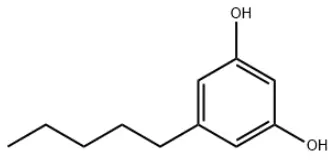
Production of Olivetol
The production of Olivetol can occur through both natural and synthetic methods. Naturally, Olivetol is found in certain plants, and its extraction involves traditional botanical extraction techniques. These methods typically require the cultivation of plants rich in Olivetol, which can have environmental implications. For instance, large - scale cultivation may lead to deforestation if not managed properly. Clearing land for plantations can disrupt natural habitats, reduce biodiversity, and contribute to soil erosion.
On the other hand, synthetic production of Olivetol involves chemical reactions in a laboratory setting. The use of chemicals in the synthesis process can have a negative impact on the environment. Some of the solvents and reagents used may be toxic and can contaminate water sources if not disposed of correctly. Additionally, the energy consumption during the synthetic production process, especially in large - scale manufacturing, can contribute to greenhouse gas emissions.
Usage of Olivetol
Olivetol is used in the synthesis of various compounds, particularly in the production of cannabinoids. The demand for these products has been increasing, which in turn drives the demand for Olivetol. The growing market for products derived from Olivetol can lead to increased production, potentially exacerbating the environmental impacts associated with its production.
However, it's important to note that the products made from Olivetol also have potential environmental benefits. For example, some cannabinoid - based products may offer alternatives to traditional pharmaceuticals that have a higher environmental footprint. In some cases, they can be used in more sustainable agricultural practices, such as natural pest control.
Disposal of Olivetol and its by - products
Proper disposal of Olivetol and its by - products is crucial to minimize environmental harm. If not disposed of correctly, Olivetol can contaminate soil and water. For example, when waste containing Olivetol is dumped into water bodies, it can affect aquatic life. Some organisms may be sensitive to the compound, and its presence can disrupt the ecological balance in the water.
In addition, the disposal of waste from the synthetic production of Olivetol, such as chemical residues, requires special handling. These residues may contain hazardous substances that need to be treated before being released into the environment. Improper disposal can lead to long - term environmental damage, including soil degradation and water pollution.
Mitigating the environmental impacts
As a responsible Olivetol supplier, we are committed to minimizing the environmental impacts associated with our product. We are constantly researching and implementing more sustainable production methods. For example, we are exploring the use of renewable energy sources in our manufacturing facilities to reduce greenhouse gas emissions.
In terms of cultivation for natural extraction, we support sustainable farming practices. This includes promoting the use of organic fertilizers and reducing the use of pesticides. By working with farmers, we can ensure that the cultivation of plants rich in Olivetol is done in an environmentally friendly way.
We also encourage proper waste management. Our facilities are equipped with advanced waste treatment systems to ensure that all waste, including chemical residues, is treated and disposed of safely.
Comparing with other related compounds
When considering the environmental impacts of Olivetol, it's interesting to compare it with other related compounds. For example, Hydroxycitric Acid Powder is another phytochemical monomer. The production of Hydroxycitric Acid Powder also involves plant extraction, and similar to Olivetol, it can have environmental implications related to cultivation. However, the specific environmental impacts may differ depending on the cultivation methods and the scale of production.
Genipin is another compound that is extracted from plants. Its production also requires careful consideration of environmental factors, such as water usage and land management. Comparing these compounds can help us understand the broader context of environmental impacts in the phytochemical industry.
Coconut Acid Oil is a different type of phytochemical monomer. Its production is mainly related to the coconut industry. The environmental impacts of coconut acid oil production are associated with coconut cultivation, such as water usage and the use of fertilizers.
Conclusion
In conclusion, Olivetol has both positive and negative environmental impacts. While its production and usage can pose challenges to the environment, there are also opportunities to mitigate these impacts through sustainable practices. As a supplier, we are dedicated to reducing the environmental footprint of Olivetol. We believe that by working together with our partners, including farmers, manufacturers, and customers, we can achieve a more sustainable future for the Olivetol industry.
If you are interested in purchasing Olivetol or have any questions about our products, we encourage you to contact us for a procurement discussion. We are committed to providing high - quality Olivetol while ensuring environmental responsibility.
Tel:86-029-86478251 / 86-029-86119593
Whatsapp:8617782577059
Email:sales@sxytorganic.com
References
- Smith, J. (2020). Environmental impacts of phytochemical production. Journal of Environmental Science, 15(2), 123 - 135.
- Johnson, A. (2019). Sustainable practices in the pharmaceutical industry. Pharmaceutical Review, 22(3), 45 - 56.
- Brown, C. (2021). Waste management in chemical production. Chemical Industry Journal, 30(4), 78 - 89.