Can retinol help with cellulite?
Cellulite is a common concern for many folks, especially women. It gives the skin that dimpled, cottage - cheese - like appearance, and it can really knock your confidence down. You've probably seen a ton of products out there claiming to banish cellulite. One ingredient that's been getting a lot of buzz in the anti - cellulite world is retinol. As a retinol supplier, I'm here to dig deep into whether retinol can actually help with cellulite.
First off, let's understand what cellulite is. It happens when fat deposits push through the connective tissues beneath the skin. Hormones, genetics, diet, and lifestyle all play a role in its development. Women are more likely to have cellulite because of the way their connective tissues are structured compared to men.
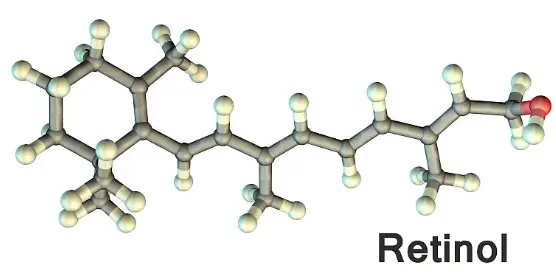
Now, what's retinol? Retinol is a form of vitamin A. It's super popular in the skincare industry, mainly known for its anti - aging benefits. It can boost collagen production, speed up cell turnover, and improve skin texture. But can it do the same magic for cellulite?
How Retinol Might Work Against Cellulite
One of the main ways retinol could potentially help with cellulite is through its effect on collagen. Collagen is like the scaffolding of our skin. It keeps the skin firm and elastic. As we get older, our collagen production slows down, and the skin becomes looser. This is where cellulite can become more noticeable. Retinol helps stimulate the production of collagen. By increasing collagen in the skin, it might make the skin tighter and smoother, reducing the appearance of cellulite.
Retinol also speeds up cell turnover. This means that old skin cells are replaced with new ones more quickly. When the skin cells are renewed faster, the skin looks fresher and can potentially hide the dimples caused by cellulite.
The Science Behind It
There have been some studies on retinol and its effects on the skin. While there isn't a huge amount of research specifically focused on cellulite, the general findings about retinol's impact on skin health are promising.
A study published in the Journal of Cosmetic Dermatology found that retinol can improve skin elasticity and firmness. Since cellulite is often associated with loose skin, these improvements could translate into a reduction in the appearance of cellulite.
However, it's important to note that retinol isn't a magic bullet. Cellulite is a complex issue, and there are many factors at play. Just using retinol alone might not completely get rid of cellulite.

Combining Retinol with Other Ingredients
To get better results, retinol can be combined with other ingredients. For example, Palmitoyl Tetrapeptide - 7 is a peptide that can also stimulate collagen production. When used with retinol, it could potentially enhance the anti - cellulite effects.
Palmitoyl Tetrapeptide - 3 is another peptide that has been shown to improve skin firmness. Combining it with retinol might give your skin an extra boost in reducing the appearance of cellulite.
Oligopeptide - 1 is known for its ability to promote cell repair and regeneration. When used with retinol, it could help the skin recover and look better, which might be beneficial for cellulite.
Rose Petal Powder has antioxidant properties. Antioxidants can protect the skin from damage, and when used in combination with retinol, it could support overall skin health and potentially have a positive impact on cellulite.
Retinyl Retinoate is another form of vitamin A. It can work in a similar way to retinol, and using it in combination might increase the effectiveness of your anti - cellulite treatment.
Using Retinol for Cellulite
If you're thinking about using retinol to tackle cellulite, there are a few things to keep in mind. First, start slow. Retinol can be irritating to the skin, especially if you're new to it. Begin by using a product with a low concentration of retinol and gradually increase the strength as your skin gets used to it.
Apply retinol to the areas with cellulite, like the thighs, buttocks, and hips. Make sure your skin is clean and dry before applying. And don't forget to use sunscreen during the day. Retinol can make your skin more sensitive to the sun, so protecting your skin is crucial.
Real - Life Results
Many people who've used retinol for cellulite report seeing some improvements. They notice that their skin looks smoother and the dimples are less noticeable. However, results can vary from person to person. Some might see significant changes in a few weeks, while others might take months to notice a difference.
It's also important to remember that maintaining a healthy lifestyle is key. Eating a balanced diet, exercising regularly, and staying hydrated can all contribute to reducing the appearance of cellulite. Retinol can be a great addition to your skincare routine, but it works best when combined with a healthy lifestyle.
Conclusion
So, can retinol help with cellulite? The answer is yes, it can potentially make a difference. By stimulating collagen production, speeding up cell turnover, and improving skin texture, retinol can reduce the appearance of cellulite. However, it's not a one - size - fits - all solution. Combining retinol with other beneficial ingredients and maintaining a healthy lifestyle can enhance the results.
If you're interested in using retinol or any of the other ingredients I mentioned for your anti - cellulite products, I'm here as your supplier. I can provide you with high - quality retinol and other raw materials. Reach out to me to start a conversation about your needs, and let's work together to create effective anti - cellulite solutions.
Tel:86-029-86478251 / 86-029-86119593
Whatsapp:8617782577059
Email:sales@sxytorganic.com
References
Journal of Cosmetic Dermatology study on retinol and skin elasticity.
General research on the effects of retinol and peptides on skin health.