What Should Not Be Mixed With Retinol? Guide to Safe Skincare Combinations
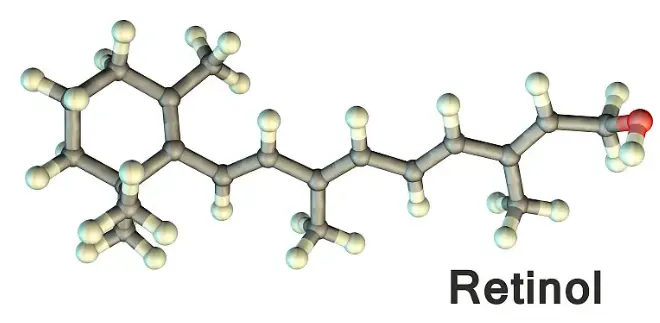
Retinol, a derivative of vitamin A, has long been hailed as a powerhouse in the skincare industry. Its ability to stimulate collagen production, reduce the appearance of fine lines and wrinkles, and improve skin texture has made it a staple in many skincare routines. As a retinol supplier, I often get asked about what should not be mixed with retinol to ensure its efficacy and safety. In this blog, I'll delve into the substances that you should avoid combining with retinol to maintain the integrity of your skincare regimen.
1. Alpha Hydroxy Acids (AHAs) and Beta Hydroxy Acids (BHAs)
AHAs, such as glycolic acid and lactic acid, and BHAs, like salicylic acid, are popular exfoliants in skincare. They work by removing the outer layer of dead skin cells, revealing smoother and brighter skin. However, when combined with retinol, they can cause excessive skin irritation.
Retinol already has a tendency to make the skin more sensitive, especially when first starting to use it. Adding AHAs or BHAs to the mix can exacerbate this sensitivity, leading to redness, peeling, and even burning sensations. It's best to use these exfoliants on different days or at different times of the day compared to retinol. For example, you could use an AHA or BHA exfoliant in the morning and retinol at night.
2. Benzoyl Peroxide
Benzoyl peroxide is a common ingredient in acne treatments. It works by killing the bacteria that cause acne and reducing inflammation. But when combined with retinol, it can degrade the retinol and make it less effective.
Benzoyl peroxide is an oxidizing agent, which means it can react with retinol and break it down. This not only reduces the benefits of retinol but can also increase the risk of skin irritation. If you're using a benzoyl peroxide product for acne, it's advisable to separate its use from retinol. You could use benzoyl peroxide in the morning and retinol at night, or vice versa.
3. Vitamin C
Vitamin C is a powerful antioxidant that can brighten the skin, protect it from free radicals, and boost collagen production. While both retinol and vitamin C are beneficial for the skin, they should not be used together.
Retinol is a sensitive ingredient that can be easily oxidized. Vitamin C, especially in its acidic form, can accelerate this oxidation process, rendering retinol less effective. Additionally, using them together can increase the risk of skin irritation. It's recommended to use vitamin C in the morning and retinol at night to get the best of both worlds without compromising their efficacy.
4. Niacinamide
Niacinamide, a form of vitamin B3, is known for its ability to improve skin texture, reduce the appearance of pores, and even out skin tone. Some people may think that combining it with retinol would be a great idea, but it can actually lead to skin issues.
When niacinamide and retinol are mixed, they can form a compound called nicotinic acid, which can cause skin irritation. To avoid this, it's best to use them at different times. You could use niacinamide in the morning and retinol at night.
5. Physical Exfoliants
Physical exfoliants, such as scrubs with beads or granules, work by physically removing dead skin cells from the surface of the skin. Using them in conjunction with retinol can be too harsh on the skin.
Retinol already makes the skin more sensitive, and adding a physical exfoliant on top of that can cause excessive irritation, redness, and even micro-tears in the skin. It's better to stick to chemical exfoliants like AHAs or BHAs on days when you're not using retinol, or use a gentle physical exfoliant sparingly.
Substances That Can Be Safely Used with Retinol
While there are substances to avoid mixing with retinol, there are also some that can be used safely and even enhance its effects.
Green Tea Polyphenols: Green tea polyphenols are powerful antioxidants that can protect the skin from free radicals and reduce inflammation. They can be used in combination with retinol to enhance its anti-aging effects. You can find high-quality Green Tea Polyphenols for your skincare formulations.
Palmitoyl Pentapeptide: Palmitoyl pentapeptide is a peptide that can stimulate collagen production and reduce the appearance of wrinkles. It can work synergistically with retinol to improve skin firmness and elasticity. Check out Palmitoyl Pentapeptide for your anti-aging skincare products.
Rose Petal Powder: Rose petal powder has soothing and moisturizing properties. It can help to calm the skin and reduce the potential irritation caused by retinol. You can incorporate Rose Petal Powder into your retinol-based products for a more gentle and nourishing effect.
How to Incorporate Retinol into Your Skincare Routine?
If you're new to using retinol, it's important to start slowly. Begin by using it once or twice a week and gradually increase the frequency as your skin gets used to it. Always apply retinol at night, as it can make your skin more sensitive to sunlight.
Before applying retinol, make sure your skin is clean and dry. Apply a small amount of retinol to your face, avoiding the eye area. You can follow up with a moisturizer to help reduce any potential irritation.
Conclusion
As a retinol supplier, I understand the importance of using retinol safely and effectively. By avoiding the substances that should not be mixed with retinol and incorporating it into your skincare routine correctly, you can reap the many benefits of this amazing ingredient.
If you're interested in purchasing high-quality retinol or other skincare raw materials, feel free to reach out to us for more information and to discuss your procurement needs. We're here to help you create the best skincare products for your customers.
Tel:86-029-86478251 / 86-029-86119593
Whatsapp:8617782577059
Email:sales@sxytorganic.com
References
Draelos, Z. D. (2003). Retinoids in dermatology. Journal of the American Academy of Dermatology, 49(6), S116-S124.
Kligman, A. M., & Kligman, D. (1986). Topical tretinoin for photoaged skin. Journal of the American Academy of Dermatology, 15(6), 1035-1046.
Lowe, N. J., & Marks, R. (1990). Topical tretinoin for photoaging: a double-blind, vehicle-controlled study. Journal of the American Academy of Dermatology, 23(3), 439-446.