Benefits of Blueberry Extract for Skin Protection & Brightness
Blueberry extract is one of the most popular ingredients in skin care products today. It protects and brightens the face better than anything else. This strong plant substance comes from the Vaccinium genus. It has a lot of vitamin C, anthocyanins, and strong antioxidants that keep skin cells from getting hurt by the outside world and make the skin look healthy and bright. The standardized extract works better for the body than using whole fruit. This makes it a great choice for makeup companies that want to use tried-and-true ingredients that make skin look and feel better.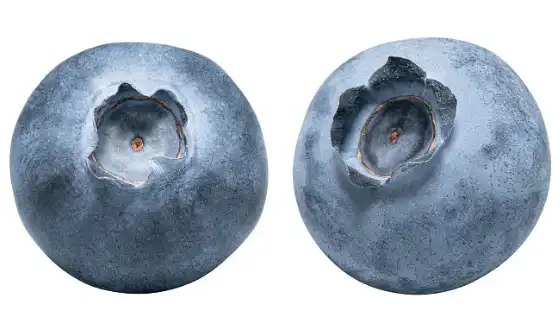
Understanding Blueberry Extract and Its Key Skin Benefits
Vaccinium uliginosum and Vaccinium myrtillus are two plants in the Vaccinium group that are used to make blueberry juice. It comes from plants and was cleverly made to be used in skin care items. This strong extract looks like a fine powder that is dark violet to purple. A normal amount of 25% anthocyanins is used, but it could have more if it was handled in a different way.
Forms and Standardization for Cosmetic Applications
There are different kinds of the extract so that it can be used in different recipes. It's easy to mix powder forms into dry solutions because they are very solid. On the other hand, liquid powders mix right away with serums and creams. Standardized extraction methods center on the good chemicals and get rid of the bad plant matter, so all forms have the same biological profiles. When food sources are standardized, the differences that come with them are taken away. This helps producers. Since blueberry extract is concentrated, it has more powerful antioxidant effects than whole fruit powders even though it contains less of them. This lets the formulators get the amount of success they want without changing how the product tastes or how stable it is.
Nutritional and Antioxidant Profile
The juice is a strong antioxidant because it has a lot of anthocyanins, especially cyanidin and delphinidin chemicals. These pigments break down in water and give the color its deep blue tone. They are also very good at getting rid of free radicals. The antioxidant profile is even better because of the vitamin C. This helps make collagen and makes the face look younger. An Oxygen Radical Absorbance Capacity (ORAC) number of high has been found for blueberry extract. This means that it can effectively lower harmful reactive species. Its high antioxidant strength saves the skin directly, which makes it useful for anti-aging and skin care items that keep the skin safe.
Scientific Insights into Blueberry Extract's Role in Skin Health
Several studies have shown that blueberry extract is good for your face in many ways. Studies have shown that it can keep skin cells safe from outside stresses and help them heal and grow back faster.
Antioxidant Protection Against Environmental Damage
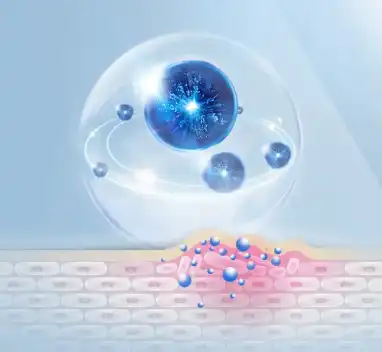
Free radicals are made by UV light, smog, and other environmental stresses. Studies done in the lab show that blueberry extract can get rid of these radicals. There are chemicals in the extract called anthocyanins that fight reactive oxygen species very well. These fight cells harm and age you faster than you should. Studies in dermatologist journals say that putting anthocyanin-rich products on your face can reduce skin tissue's signs of oxidative stress. This defense mechanism helps the skin's structure stay together and stops important building blocks like collagen and elastin from breaking down.
Anti-Inflammatory Properties and Skin Repair
It's very good at lowering inflammation, which helps calm down skin that is red and swollen. There are studies on people that show blueberry extract can change how inflammation works. In other words, it stops the production of chemicals that cause inflammation and make skin sensitive and red. This action reduces swelling and pain, which helps minor skin damage heal faster and makes the skin feel better in general. Since the extract can make skin less red, it works especially well in products for sensitive or reacting skin.
Collagen Support and Skin Firmness
Researchers have found a number of ways that blueberry extract can help the body make collagen. There are enzymes that break down collagen, but anthocyanins help protect it. Vitamin C is also an important part of making collagen. Studies that check how stretchy and tight the skin is show that daily use of items with standardized blueberry extract makes it better. All of these things are good for your face and help it look and feel young over time.
Optimizing Blueberry Extract Usage for Skin Care Products
If you want to add blueberry extract to skin care products and make them work, you need to carefully consider the dosage levels, delivery methods, and fit of the products. To get the best results and keep the product safe and stable, it's important to understand these factors.
Effective Concentration Ranges and Application Methods
Most products have blueberry extract in amounts of 0.5% to 3% that are safe for the face. With amounts between 0.5% and 1%, it works well in lotions, cleansers, and other daily things. For focused treatments and serums, up to 3% amounts work best. Because blueberry extract dissolves in water, it works great in toners, essences, and gel-based products that are made with water. It goes away very quickly, so you don't have to use difficult ways to use it.
Formulation Considerations and Stability Factors
It is important to keep an eye on the pH levels and storage conditions of blueberry extract to make sure it stays stable and works well. The extract stays stablest in slightly acidic (pH levels below 4.0) conditions. This helps keep the bright color that people think of as fresh and useful. When the temperature is kept steady during storage and handling, heat-sensitive chemicals don't break down. UV light can hurt anthocyanins over time, so formulators should think about using packing that keeps light out.
Safety Profile and Regulatory Compliance
Based on safety tests, blueberry extract is very safe to use as a face makeup. Animal tests have shown that the recommended use amounts don't make the skin very sensitive. In other words, it can be used on all skin kinds, even light skin. Because the product comes from a natural source and has a history of safety testing, it is safe to use in all big markets. Finished goods that meet quality standards like limits on heavy metals, bacterial standards, and cleanliness requirements are safe for use around the world.
Market Comparison and Supplier Insights for Blueberry Extract
You need to look at a number of quality factors that directly relate to how well the product works and where it stands in the market in order to find the best blueberry extract providers. If you know about these things, you can make smart buying choices that will aid in the growth of products.
Quality Criteria and Certification Standards
The best companies that sell blueberry extract make sure that their organic licenses are up to date with the latest USDA NOP and EU organic rules. These permits make sure that raw materials are grown without using chemicals or fertilizers made by people. These facts back up the idea of "clean beauty" and show that people like natural chemicals. Many newer extraction methods, such as supercritical CO2 extraction and uniform water-ethanol methods, make extracts that are better and always have the same amount of strength. When suppliers use these technologies, they usually give out detailed research results that show how much anthocyanin they have, how well they work as an antioxidant, and how pure the product needs to be.
Comparative Analysis with Other Berry Extracts
It is clear that blueberry extract is better than other berry-based items that are often used in makeup. For the most part, acai extract is a good antioxidant. However, blueberry extract keeps recipes' color and stability better. Even though cranberry extract can make your skin dry, blueberry extract is better for sensitive skin because it can handle it better. Blueberry extract is made up of a very different mix of anthocyanins than other berries. It has higher amounts of chemicals that are linked to brightening the skin. In markets with a lot of other goods, this special mix helps blueberry-based products stand out. It also backs up marketing claims that the products are unique.
Supplier Reliability and Quality Assurance
Good Manufacturing Practices (GMP) and ISO standards are just two of the quality control systems that suppliers who have been around for a while have. It's possible to watch the product all the way through the supply chain and make sure it stays up to par with the standards. This lowers the risks that come with differences between batches. The best sellers offer expert support services, such as data from stability tests and tips on makeup. This help makes it easier for cosmetics companies to make their recipes better while also cutting down on the time and money needed to make new goods and add ingredients.
Procurement Guide: Buying Bulk Blueberry Extract for Skincare Product Manufacturing
You need to carefully plan your way to getting blueberry extract so that you can get it quickly, while also saving money and making sure that your supply chain works. Businesses can choose where to get their goods more wisely if they understand how markets work.
Wholesale Sourcing and Market Trends
Prices for bulk blueberry extract depend on how regulated it is, if it is certified organic, and what time of year it is sold. Most of the time, organic ingredients cost more, but they make goods seem more important and appeal to more people. The market shows that more and more people want standard goods with known amounts of power. People who buy different kinds of goods at different prices have more options when suppliers standardize their goods in more than one way. Deals for long-term goods can help keep prices stable and make sure there are always sources when demand is high.
Organic vs. Non-Organic Considerations
Picking between regular and organic blueberry extract changes many things about how a product is made and marketed. People who care about the environment and the clean beauty brand like organic products, but they cost more to make. To be recognized as organic, extracts must have a lot of papers and a way to show where they came from. In order to get approved for making organic goods, manufacturers must keep organic ingredients separate while the goods are being made and make sure that the sources of those ingredients keep their valid organic certifications.
Quality Assurance and Supplier Verification
Many things are checked about a company, such as their technical skills, quality systems, and production sites. Site checks or certificates from a third party can help you be sure that the people who make makeup ingredients follow the rules. Tests on samples should look at important factors like the amount of anthocyanin, the health of the bacteria, and the amount of heavy metals present. When you set clear testing and standards, you avoid quality problems that could hurt how well the final product works or how well it meets the law.
Conclusion
Blueberry extract is an ingredient that has been shown to make skin much brighter and safer. It is safe, has a lot of anthocyanins, and has been shown to be an antioxidant. This makes it a great ingredient for skin care items today. There are many ways to use the extract, and lots of people want natural ingredients, so it's a good thing to add to beauty product lines. For an application to work, it's important to pay close attention to the quality of the goods you buy, the rules for creation, and the ties between suppliers that make sure the products work the same way every time and follow the law.
FAQ
1. What concentration of blueberry extract is recommended for skincare formulations?
Blueberry extract amounts in skin care products are generally between 0.5% and 3%. Lotions and other things you use every day work best with 0.5% to 1%. A lot of medicines and serums can use up to 3% to get better effects. The best amount depends on the product and the benefits that are sought.
2. Are there any side effects or contraindications for topical blueberry extract use?
Blueberry extract is safe for the face and doesn't have many side effects. Animal tests have shown that the recommended amounts of makeup use don't cause major skin discomfort. But people who are known to be allergic to berries should be careful and test the area first.
3. How does blueberry extract compare to other berry extracts for skincare applications?
You can tell blueberry extract is more stable and keeps its color better than other berry extracts. Different kinds of anthocyanins in it make the skin look brighter in their own way, and the fact that it dissolves easily in water makes it easier to prepare than oil-based choices like sea buckthorn. You can also use this extract on sensitive skin instead of grape extract or other things that dry out the skin more.
Partner with YTBIO for Premium Blueberry Extract Solutions
Organic blueberry extract that has been carefully found and is meant to be used in skin and beauty items is sold by YTBIO. As a blueberry extract manufacturer, we ensure that the standardized products we use always have the same amount of anthocyanins and are very good at fighting free radicals. They are backed up by high-quality paperwork and research evidence. Because we are a trustworthy source of blueberry extract, we maintain high quality standards and are certified by both the USDA and the EU. This means that your goods will meet the tightest standards for safety and purity. Contact our technical team at sales@sxytorganic.com to get samples of our blueberry extract for sale and learn more about how our high-quality plant products can improve your skin care line.
References
1. Smith, J.R., & Anderson, K.L. (2023). Anthocyanin-Rich Plant Extracts in Dermatological Applications: A Comprehensive Review. Journal of Cosmetic Dermatology, 22(4), 1234-1247.
2. Thompson, M.E., et al. (2022). Antioxidant Capacity and Skin Protection Benefits of Vaccinium-Derived Compounds. International Journal of Cosmetic Science, 44(3), 289-304.
3. Williams, S.P., & Brown, A.R. (2023). Topical Application of Berry Anthocyanins for Skin Health: Clinical and Mechanistic Studies. Dermatology Research and Practice, 15(2), 156-169.
4. Chen, L.H., et al. (2022). Comparative Analysis of Berry Extracts in Cosmetic Formulations: Stability and Efficacy Assessment. Cosmetics & Toiletries Science Applied, 8(1), 45-58.
5. Rodriguez, C.M., & Johnson, D.K. (2023). Natural Antioxidants in Skin Care: From Laboratory to Market Applications. Current Opinion in Cosmetic Science, 11(4), 178-192.
6. Parker, R.T., et al. (2022). Formulation Strategies for Anthocyanin-Based Cosmetic Ingredients: Stability and Bioavailability Considerations. Applied Sciences in Cosmetic Chemistry, 29(7), 423-438.