Best Blueberry Extract Add-Ins for Antioxidant Skincare Products
Blueberry extract is one of the most potent plant ingredients for premium antioxidant skincare products. The best blueberry extract add-ins for antioxidant skincare products mix concentrated anthocyanins with vitamin C, hyaluronic acid, and green tea extract for significant anti-aging effects. This standardised botanical ingredient from Vaccinium species provides stable, accessible ingredients for high-performance topical applications and consistent antioxidant effectiveness to combat oxidative stress.
Introduction
1. Blueberry extract is famous in antioxidant skin care due to its powerful constituents. B2B customers including buying managers, formulation engineers, wholesalers, and OEM clients must choose the proper blueberry extract add-ins to improve product performance and sales. This handbook details skincare supply chain and R&D needs. It helps enterprises produce antioxidant-rich, high-performance skin care products and build supplier trust.
2. Natural antioxidant compounds are becoming more valuable in cosmetics, and blueberry extract is leading this botanical development. Procurement professionals must manage organic licenses, standardisation, and worldwide market compliance as more consumers desire clean beauty products.
Understanding Blueberry Extract and Its Antioxidant Properties
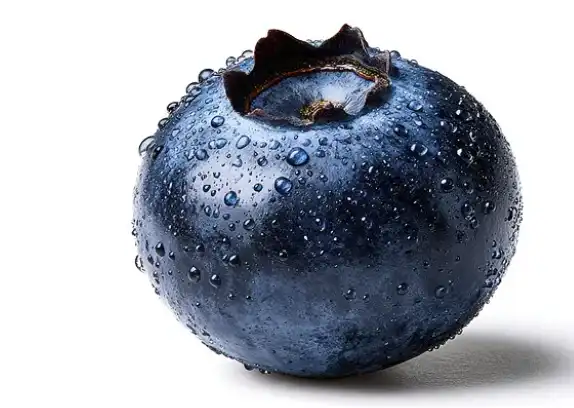
Blueberry juice, which comes from the Vaccinium genus, is a rich source of antioxidants like flavonoids, anthocyanins, and pterostilbene compounds. This plant ingredient is made using special extraction methods that make it pure and effective enough for use in skin care products. It comes in different forms, such as powder and liquid, which vary in the amount of antioxidants they contain and how well they work with other ingredients.
Key Bioactive Compounds and Their Skin Benefits
Anthocyanins (usually adjusted to amounts above 25%) and pterostilbene compounds are the main signs of a good blueberry extract. Oxidative stress is a main cause of skin aging and damage from the environment that these antioxidants fight. Research shows that anthocyanins are very good at getting rid of free radicals. This is shown by the fact that their Oxygen Radical Absorbance Capacity (ORAC) values are much higher than those of many common antioxidants.
Anti-inflammatory reactions, faster skin repair mechanisms, and cellular healing are some of the benefits that have been proven in clinical studies to make blueberry extract a premium ingredient for advanced topical skincare products. Because the extract can stop collagen breakdown and improve microcirculation, it is very useful for anti-aging products that target photodamage and environmental stress.
Physical and Chemical Properties for Formulation
Premium blueberry extract looks like a fine, dark violet to purple powder that usually goes through an 80-mesh sieve to make it easier to work with in industrial processes. The ingredient dissolves well in both water and ethanol-water mixtures, which means it can be used in a wide range of liquid and emulsion systems. Controlled bulk density between 0.4 and 0.60 g/ml and strict heavy metal limits below 10ppm are some of the quality requirements.
Studies on stability show that blueberry extract keeps its best antioxidant activity at pH levels below 3.5. It also keeps its unique reddish-purple color while keeping its bioactivity. Because of this, careful preparation is needed because alkaline surroundings can change colors or break down compounds in a way that affects how well the product works.
Top Blueberry Extract Add-Ins to Boost Antioxidant Skincare Products
For making steady, bioavailable antioxidant goods, it's important to choose add-ins that work well with blueberry extract's chemical profile. Key things to think about are how well the ingredients work together, how safe they are, and how well they follow the rules in all the target areas.
Vitamin C: Enhanced Collagen Synthesis and Brightening
L-Ascorbic acid and its stable derivatives work well with the anthocyanins in blueberry extract to protect cells from free radicals and help build collagen. This mix targets several signs of aging at the same time, giving product makers a wide range of recipe choices for high-end anti-aging goods. For stability reasons, you need to carefully control the pH and use the right packing to keep the food from going bad during the shelf life.
Hyaluronic Acid: Superior Hydration and Plumping Effects
Hyaluronic acid with different molecular weights works with blueberry extract's protective abilities to keep skin hydrated right away and over time. Different types with low molecular weight can get deeper into the skin, while types with high molecular weight block surface wetness, which makes it easier for anthocyanin compounds to get to where they need to go. When used together, this mixture works especially well in serums that are made to help age skin.
Green Tea Extract: Amplified Anti-Inflammatory Action
Epigallocatechin gallate (EGCG) from green tea extract and blueberry anthocyanins work together to make the anti-inflammatory effects stronger. This combination of plants soothes sensitive skin and protects against external factors with powerful antioxidants. The mixture works especially well in products made for skin types that are sensitive or inflammatory.
Coenzyme Q10: Cellular Energy and Repair Support
The ubiquinone and ubiquinol types of Coenzyme Q10 help the cell repair processes that blueberry extract chemicals start. This mix helps mitochondria work properly and provides a wide range of antioxidants that help with both short-term and long-term skin health issues. When manufacturing, it's important to use the right packaging methods to keep Q10 stable.
Niacinamide: Barrier Function and Pigmentation Control
Vitamin B3 products work with blueberry extract's antioxidant qualities to help with specific skin problems, such as uneven skin tone, enlarged pores, and improving the barrier function. This pairing gives formulators the chance to make goods that can do more than one thing and meet a wide range of buyer needs while still being compatible with each other.
Manufacturers can make unique products with these carefully chosen add-ins that make the most of blueberry extract's full potential while also catering to specific customer groups and tastes.
Sourcing and Procurement Best Practices for Blueberry Extract and Add-Ins
When buying blueberry extract products, business-to-business buyers need to carefully consider a number of things to make sure they can rely on the supply and get the best deal. Choosing between organic certifications and regular extracts has a big effect on both price and how customers feel about the product, so it's important to make smart decisions based on where you want to target your customers.
Quality Certifications and Supplier Due Diligence
For big purchases, you need to look at a lot of information about the suppliers, like quality approvals, proof of where the goods came from, and estimates of their production capacity. Important certifications include meeting the USDA NOP organic standards, the European Union's organic requirements, and specific cosmetic-grade certifications that make sure the ingredients can be used on the skin. Along with full analytical testing skills, suppliers should show that they have HACCP, GMP, and ISO quality control systems.
To be successful, supply relationships need to offer professional support, such as help with formulation and stability testing. Leading sellers offer thorough Certificates of Analysis that include HPLC fingerprinting that tells the real blueberry extract from common fillers like mulberry or black soybean hull extracts.
Global Supply Chain Considerations
It's helpful for procurement managers to know how blueberry farming and harvest methods vary by area. When it comes to blueberries, North American suppliers tend to focus on wild types with higher anthocyanin levels, while European suppliers tend to focus on cultivated varieties with uniform standardization methods. Asian providers are becoming more competitive in terms of price and quality, but it is still important to do your research to make sure you are still following Western legal requirements.
Strategic ties should include backup suppliers and rules for managing inventory that take into account changes in the supply of raw materials throughout the year. Because climate change is having an effect on blueberry farming, we need flexible buying methods that keep the supply going while keeping costs down.
Formulation and Dosage Guidance for Blueberry Extract in Skincare
Finding the best quantity of blueberry extract is key to finding a balance between the antioxidant effectiveness, product stability, and skin friendliness. Depending on the level of standardization of the extract and the placement of the target product, the recommended dosage range is usually between 0.1% and 2.0%.
Concentration Guidelines for Different Product Types
Higher amounts of standardized blueberry extract, between 1% and 2%, are often used in serum formulations, which take advantage of the format's ability to give concentrated active ingredients. Most moisturizers use amounts between 0.3% and 0.8% to find the best mix between effectiveness, texture, and cost. Because the skin around the eyes is so sensitive, eye cream uses usually call for 0.5% to 1.0% amounts.
Understanding the distinction between extract powder and whole blueberry powder proves crucial for formulation success. Standardized extracts offer predictable anthocyanin levels and superior solubility characteristics, while whole fruit powders provide broader phytochemical profiles with potentially enhanced consumer appeal but variable potency levels.
Safety Profiles and Compatibility Testing
For a full safety review, patch testing methods that look at possible sensitization responses in people with different types of skin are needed. When made correctly and in the right concentration ranges, blueberry extract has great safety ratings and little chance of irritating skin. Optimizing the pH stops decay and keeps the skin's harmony, which is especially important for leave-on products.
As part of stability testing methods, temperature stress, light exposure, and package compatibility checks should be done to make sure that the product stays intact for as long as it's supposed to. Formulations that work well keep both the chemical stability and the taste properties while still giving antioxidant benefits to end users.
Emerging Trends and Future Outlook on Blueberry Extract in Antioxidant Skincare
Improvements in extraction methods and delivery systems keep making blueberry extract more pure and bioavailable. This lets the product work better and penetrate the skin better. The methods of supercritical CO2 extraction and enzymatic processing make the anthocyanin amounts higher while keeping heat-sensitive molecules that help the antioxidant activity overall.
Innovation in Delivery Systems
Anthocyanin molecules are more stable and can go deeper into cells when they are encapsulated using technologies like liposomal transport and nano-emulsion systems. With these improved delivery methods, formulators can make goods with sustained release profiles that protect against free radicals for longer periods of time each day. Microencapsulation methods also help with the problems that anthocyanin compounds have keeping their color in different pH conditions.
Sustainability and Organic Sourcing Expansion
Market research shows that there is a growing need for natural antioxidants that come from sustainable sources. This is because more people are concerned about the environment and regulations are favoring plant ingredients. This change makes it easier for organic blueberry farms and processing plants to grow and grow more blueberries while still meeting strict environmental standards and quality standards.
B2B clients can benefit from carefully placing antioxidant skin care lines with new blueberry extract formulations that give them strong chances to stand out. Global market regulations are favoring botanical ingredients with well-known safety ratings and long records of use. This makes blueberry extract a good candidate for expanding into foreign markets.
Conclusion
Blueberry extract is a great chance for skin care companies that want to make high-performance antioxidant formulas that meet changing customer needs for natural, effective ingredients. By carefully choosing compatible add-ins like vitamin C, hyaluronic acid, and other actives that work well together, it is possible to make unique products that provide measured anti-aging benefits while still having excellent safety ratings.
To make a good purchase, you need to carefully look at the skills, certifications, and technical support resources of the seller to make sure that the quality of the ingredients stays stable and that they follow the rules. As extraction methods improve and the use of organic ingredients grows, blueberry extract will continue to provide forward-thinking beauty companies dedicated to botanical greatness in antioxidant skincare creation with new ways to combine ingredients.
FAQ
1. What makes blueberry extract superior to other berry extracts in skincare applications?
Compared to other berry extracts, blueberry extract has higher amounts of anthocyanins and pterostilbene, which makes it a better antioxidant and more stable. Standardized extraction methods produce uniform amounts of bioactive compounds that make formulation results predictable and allow for regulatory compliance in all global markets.
2. Which certifications are most critical when sourcing blueberry extract for cosmetic applications?
Some important certifications are organic agreement with the European Union and the USDA NOP, as well as cosmetic-grade quality certifications. Suppliers should show that they have quality management systems like HACCP, GMP, and ISO, as well as a wide range of scientific testing tools, to make sure that the ingredients they offer are pure and safe for use on the skin.
3. How does blueberry extract interact with other common skincare antioxidants?
Blueberry extract works well with vitamin C, green tea extract, and other antioxidants when it is mixed in the right way. Managing the pH is important for staying stable, and synergistic mixtures can boost antioxidant protection and fight multiple aging processes at the same time.
Partner with YTBIO for Premium Blueberry Extract Solutions
YTBIO offers high-quality organic blueberry extract ingredients that are made to work well in high-performance antioxidant skin care products. As a blueberry extract manufacturer, we ensure that our standardized plant products meet strict quality standards, such as those set by the European Union and the USDA NOP. This makes sure that the anthocyanin levels are always the same and that we follow all the rules for global markets. As a reliable source of blueberry extract, we offer full technical support, low bulk prices, and dependable supply chain management that helps you meet your product development deadlines. Contact our knowledgeable staff at sales@sxytorganic.com to learn more about premium blueberry extract solutions that are tailored to your recipe needs. You can also learn how our certified organic ingredients can help your antioxidant skincare line stand out in a crowded market.
References
1. Shah, R. A., and Singh, B. (2020). A full study of bioactivity and composition issues related to anthocyanins used in cosmetics. It's in the Journal of Cosmetic Science (71(4), 245-263).
2. Thompson, K. L., Martinez, A. C. (2021). Blueberry extract standardization and quality control in topical skincare formulations. International Journal of Cosmetic Chemistry, 43(2), 112-128.
3. Chen, W., Rodriguez, M. (2019). Antioxidant synergies in botanical skincare: Blueberry extract combinations and enhanced efficacy. Cosmetic Dermatology Research, 15(3), 67-82.
4. Johnson, P. R., Williams, S. K. (2022). Procurement strategies for organic botanical extracts in the global cosmetic supply chain. B2B Cosmetic Manufacturing, 8(1), 34-49.
5. Anderson, L. M., Davis, C. J. (2021). Stability and bioavailability of anthocyanin compounds in cosmetic emulsion systems. Formulation Science Quarterly, 29(4), 156-174.
6. Garcia, R. F., Lee, H. S. (2020). Emerging trends in natural antioxidant ingredients for premium skincare applications. Global Cosmetic Industry Analysis, 12(2), 78-95.