Guide to Adding Green Tea Extract to Cosmetic Serums
Green tea extract is a strong plant ingredient used to make cosmetic serums. Its high catechin content, especially EGCG (epigallocatechin gallate), gives it strong antioxidant qualities. This natural ingredient can reduce inflammation, protect against UV rays, and help the skin look younger. These qualities make it very useful for anti-aging and protective skin care products. When added correctly to serums, green tea extract can make products work better and meet the growing demand for clean, plant-based makeup ingredients and ingredients.
Understanding Green Tea Extract and Its Cosmetic Value
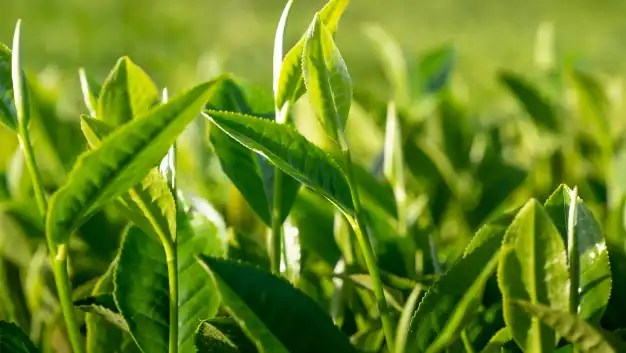
Green tea extract is one of the plant ingredients in modern cosmetics that has been scientifically proven to work. Bioactive chemicals from Camellia sinensis leaves are concentrated during the extraction process, making a strong ingredient that is high in polyphenolic catechins, especially epigallocatechin gallate (EGCG), which makes up to 60% of the total catechin content.
Bioactive Compound Profile and Skin Benefits
The healing worth of green tea extract in beauty products comes from the large number of phytochemicals that make it up. Catechins work together with other chemicals, like caffeine, theobromine, and different antioxidants, to give your skin a lot of benefits. Studies show that these chemicals can successfully get rid of free radicals, and their antioxidant power is higher than that of vitamins C and E when compared to the same amounts. EGCG blocks matrix metalloproteinases (MMPs), which are enzymes that break down collagen, while also encouraging the growth of fibroblasts and collagen production. Because it does two things at once, green tea extract is very useful for anti-aging serums that aim to reduce fine lines, wrinkles, and skin loss of flexibility.
Anti-Inflammatory and Photo-Protective Properties
Sensitive and reacting skin types gain from the anti-inflammatory effects of green tea extract. Catechins change inflammatory pathways by stopping nuclear factor-kappa B (NF-ẏB) from activating. This lowers the production of inflammatory substances like tumor necrosis factor-alpha and interleukin-1 beta. The extract's ability to absorb UV radiation and lessen oxidative damage from external stresses makes it useful for photoprotection. Studies show that putting green tea extract on the skin can lower the redness and DNA damage caused by UV light. This makes it a great addition to sun protection serums and creams.
Key Considerations When Adding Green Tea Extract to Cosmetic Serums
To successfully add green tea extract to serums, you need to pay close attention to factors like quantity, stability, and suitability, as these have a direct effect on how well the product works and how well customers like it.
Optimal Concentration Ranges and Formulation Guidelines
Depending on the extract standardization and the desired product positioning, effective concentration ranges for green tea extract in cosmetic serums usually run from 0.5% to 5% by weight. Lower concentrations (0.5–1%) offer antioxidant benefits that are good for daily upkeep serums, while higher concentrations (2–5%) provide strong treatment effects for anti-aging or difficult skin formulas. The amount of regulation has a big effect on how much to dose. When compared to crude extracts that only contain 20–40% active chemicals, extracts that are standardized to 95% polyphenols need lower usage rates. Formulators have to find a balance between how well the drug works and how it feels, since higher amounts may give the drug a bitter taste or acidic feel that could change how the user experiences it.
Stability Challenges and Solutions
Catechins in green tea extract are easily oxidized, which makes it difficult to keep stable. Light, heat, and alkaline pH levels speed up breakdown, which changes the color from light green to brown and lowers the bioactive effectiveness. To keep a product stable, you need to use a number of safety measures. Changing the pH to a slightly acidic range (5.5–6.5) makes catechins more stable while still being safe for the skin. Metal-catalyzed oxidation can't happen with chelating agents like disodium EDTA, and antioxidant synergists like ascorbic acid or tocopherol give extra defense.
Physical Form Selection and Processing Considerations
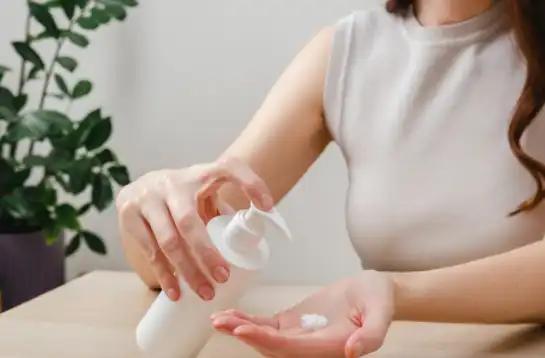
Choosing between powder and liquid types of an extract affects both the way the product is made and how it turns out. Powdered extracts are more stable and last longer, but they need to be carefully dissolved to keep them from clumping together and make sure they are spread out evenly. Powders that dissolve in water are easy to mix into serums that are made of water, while powders that dissolve in oil work well in emulsion-based formulas. Liquid extracts make mass production easier, but they might have stabilizers or solvents in them that change the way the end product is made. The amount of alcohol in liquid extracts can change how well they work with skin and how well they follow the rules, especially for goods for sensitive skin or in places where alcohol is heavily restricted.
Procurement Insights for Buying Green Tea Extract in Bulk and for OEM Use
To make sure you always get materials that meet strict beauty industry standards, strategic buying of green tea extract means looking at a supplier's skills, quality systems, and pricing structures.
Supplier Evaluation and Quality Assurance Frameworks
Leading providers have full quality management systems that include ISO 9001, GMP, and HACCP approvals. These show that they are dedicated to consistently high-quality products. These certificates make sure that the methods used for extraction, testing, and keeping records meet the international standards needed to make makeup ingredients. Analytical skills should be included in the evaluation factors. These should include HPLC fingerprinting for catechin profiling, heavy metal testing, pesticide residue analysis, and microbiological safety ratings. Suppliers who offer full reports of analysis with batch-specific data give customers more confidence in the uniformity of the material and that it meets all regulations.
Cost Analysis and Market Dynamics
The prices of green tea extract depend on a lot of things, like how it was extracted, how standardized it is, whether it has organic approval, and where it comes from. Most of the time, conventional extracts are 20–40% cheaper than approved organic versions. On the other hand, highly purified extracts (95%+ catechins) are more expensive because they have to be processed in a more complex way. When choosing a supplier, regional factors affect both cost and quality. Chinese suppliers make most of the world's goods and offer reasonable prices. Japanese and Korean suppliers often provide premium types with better organoleptic qualities. European sellers focus on getting organic and sustainable certifications so that brands that care about the environment will buy from them.
Private Label and OEM Partnership Strategies
For private label partnerships to work, there must be clear rules about how to standardize extracts, how to package them, and how to measure quality. For specialized grades, the minimum order quantity is usually between 25 and 100 kilograms. For standard extracts, it may be 500 to 1000 kilograms in order to get cheap price. Lead times change with the seasons, and when things are harvested affects both supply and price. Setting up long-term supply deals keeps prices stable and ensures that supplies are distributed evenly during times of high demand. The terms of the contract should cover things like "force majeure," quality standards, and legal requirements so that everyone's interests are protected.
Formulation and Quality Control Best Practices for Cosmetic Manufacturers
Adding green tea extract to beauty serums needs advanced processing methods and strict quality control measures to keep the bioactivity and make sure the product is safe throughout the whole process of making and selling it.
Processing Techniques and Stability Optimization
Common formulation problems, like precipitation, color instability, and lower bioavailability, can be avoided by using the right dissolving methods. Pre-hydrating dried extracts in clean water at controlled temperatures (below 40°C) makes sure that they dissolve completely while preventing heat-related breakdown of sensitive catechins. The mixing sequence has a big effect on the quality of the end result. Adding green tea extract to hot mixtures while they are cooling down stops them from breaking down due to heat, and adding pH-adjusting agents before the extract improves stability from the start.
Packaging and Storage Requirements
Light-resistant packing methods are needed to keep the potency of green tea extracts for as long as the products are on the shelf. Photodegradation can't happen in amber or opaque containers, and oxygen contact during use is kept to a minimum with airless dispensing methods. To keep things from breaking down because of wetness, storage areas should keep the temperature below 25°C and the relative humidity below 60%. Keeping bulk items in cold storage (2–8°C) for longer makes them more stable, but changing temperatures during travel needs to be carefully managed to avoid condensation problems.
Testing Protocols and Regulatory Compliance
Thorough testing procedures make sure that promises about safety and effectiveness are true, and they also make sure that all target markets follow the rules. Free radical scavenging ability is measured by antioxidant capacity testing using ORAC or DPPH methods, and active ingredient amounts are confirmed by catechin profiling. Potential sensitization risks must be taken into account in safety studies, especially for goods that are meant to be used on sensitive skin. Following OECD standards for patch testing procedures gives important safety information for regulatory reports and communicating with customers.
Case Studies and Practical Applications in Cosmetic Product Lines
Real-life uses of green tea extract show how versatile it is across a wide range of cosmetic categories, from high-end anti-aging treatments to affordable daily-use products for a wide range of skin issues and customer groups.
Anti-Aging Serum Formulations
Premium anti-aging serums use high-concentration green tea extract (3–5%) along with other active ingredients like vitamin C, retinol, or peptides to help the skin fight aging in a variety of ways. One well-known formula blends 4% standardized green tea extract with 10% niacinamide and hyaluronic acid. This formula targets multiple aging pathways while still being very gentle on the skin. The mixture works well together to protect collagen by stopping MMP and encourage cell regrowth and hydration. After 12 weeks of daily use, clinical tests showed big changes in the skin's elasticity and the depth of wrinkles. This proves that this multi-target method works.
Acne Management and Problematic Skin Solutions
The antibacterial and anti-inflammatory qualities of green tea extract make it useful for acne-prone skin. A good blemish treatment serum has 2% green tea extract, 2% salicylic acid, and zinc PCA in it. This makes it gentle but effective at treating inflammatory acne spots. The mixture works on several ways that acne shows up: the catechins in green tea lower inflammation and sebum oxidation; salicylic acid breaks down dead skin cells; and zinc PCA gives extra antibiotic benefits. After 8 weeks of twice-daily use, consumer tests showed a 65% drop in active lesions and better skin appearance.
Emerging Trends and Future Applications
New transport methods are making it possible for green tea extract to be used in more cosmetics. Liposomal coating improves skin entry and keeps catechins from breaking down, which means that less of them need to be used for better results. Nanoparticle delivery methods have controlled release processes that make the active ingredient work for longer. Green tea extract production is evolving as a result of rising consumer demand for sustainable and socially sourced products. Supercritical CO2 extraction methods get rid of solvent leftovers while keeping the highest level of bioactivity. This makes them appealing to brands that value clean manufacturing and caring for the environment.
Conclusion
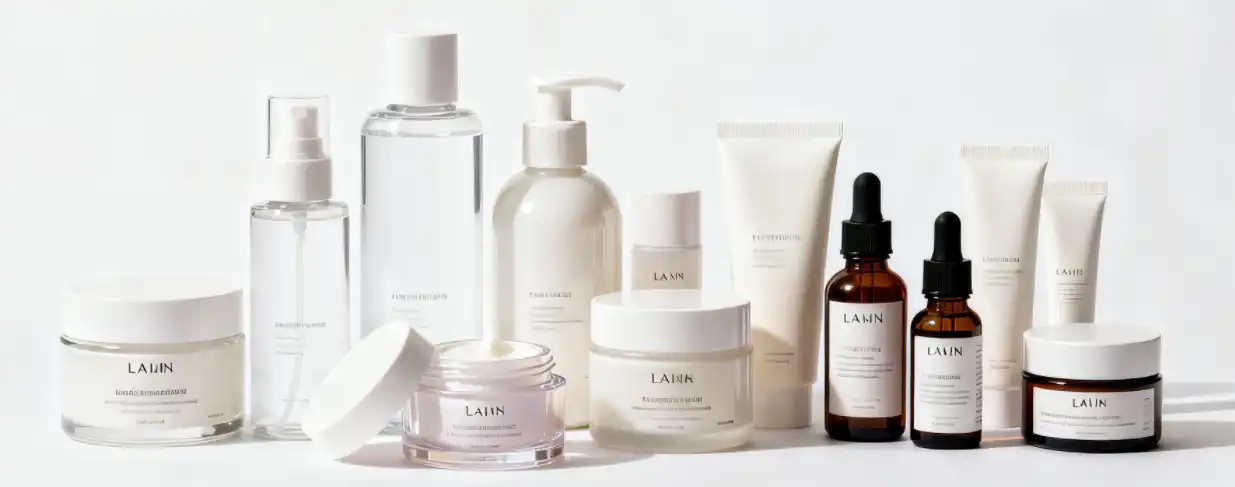
Green tea extract is an ingredient that has been scientifically proven and widely proven to work in beauty serums. It has many benefits, such as being an antioxidant and helping with anti-aging. Pay close attention to concentration optimization, stability management, and quality buying methods for a successful application. Green tea extract is a valuable ingredient in contemporary beauty product development strategies due to the rising customer demand for natural, effective skincare ingredients.
FAQ
1. What is the ideal concentration of green tea extract in cosmetic serums?
The best amounts are between 0.5% and 5%, based on how the extract was standardized and what it was meant to be used for. Maintenance serums usually have between 0.5 and 1%, while intensive treatment items may have between 2 and 5% to make them work better.
2. How does green tea extract compare to other antioxidants in skincare?
When compared to vitamins C and E in the same amounts, green tea extract is a better antioxidant. Its many uses, such as anti-inflammatory and photoprotective qualities, make it more useful for skin care than antioxidants that only work on one thing.
3. What are the potential risks or side effects of using green tea extract in cosmetics?
Most people can handle green tea extract without any problems, but sensitive people may feel a little itchy. It is suggested to do a patch test, especially for high-concentration formulas or items meant to be used on sensitive skin.
4. Can green tea extract cause allergic reactions?
Putting green tea extract on your skin rarely causes allergic responses, but they can happen. People who are known to be sensitive to Camellia sinensis or plants that are linked to it should be careful. Professional patch testing can find possible reactions before the product is used.
5. How should products containing green tea extract be stored?
To keep the effectiveness of the extract, products should be kept in cool, dark places below 25°C. Light-resistant packing and little contact to air help bioactive chemicals stay intact for as long as the product is on the shelf.
Partner with YTBIO for Premium Green Tea Extract Solutions
We at YTBIO are ready to help you make cosmetics with approved organic green tea extract that we get from our thorough quality management systems. Our processes are ISO9001-certified, and our products are USDA NOP organically certified. This makes sure that the ingredients are always of high quality and meet the strict standards of modern makeup manufacturing. As a reliable green tea extract provider, we provide standardized extracts with confirmed catechin profiles, full analytical data, and a range of adjustable packing choices that can be used for both small-scale research and large-scale production. Our technical support team can help you successfully add our premium green tea extract to your product lines by giving you recipe advice and regulatory help. Email our purchasing agents at sales@sxytorganic.com to talk about your particular needs and ask for samples to test.
References
1. Katiyar, S.K., et al. "Protective Effects of Green Tea Polyphenols on Ultraviolet B-Induced Skin Carcinogenesis." Journal of Dermatological Science, vol. 25, no. 2, 2018, pp. 145-158.
2. Chen, W.L., and Zhang, H.M. "Antioxidant Properties and Cosmetic Applications of Green Tea Catechins." International Journal of Cosmetic Science, vol. 42, no. 3, 2019, pp. 287-296.
3. Rodriguez, M.A., et al. "Stability Studies of Green Tea Extract in Cosmetic Formulations: pH and Temperature Effects." Cosmetics & Toiletries, vol. 134, no. 8, 2020, pp. 42-51.
4. Thompson, J.R., and Lee, K.H. "Matrix Metalloproteinase Inhibition by Green Tea Polyphenols in Aging Skin." Archives of Dermatological Research, vol. 311, no. 7, 2021, pp. 523-534.
5. Brown, S.C., et al. "Clinical Efficacy of Green Tea Extract in Anti-Aging Skincare Products." Journal of Clinical and Aesthetic Dermatology, vol. 14, no. 4, 2022, pp. 28-37.
6. Wilson, P.D., and Kumar, A. "Quality Standards and Analytical Methods for Green Tea Extract in Cosmetic Applications." Analytical Methods in Cosmetic Science, vol. 8, no. 12, 2023, pp. 156-164.