What Is Retinaldehyde and How Does It Work on the Skin?
 It is a strong vitamin A substance that is becoming more well known in the skin care and makeup businesses. The retinoid family has only one aldehyde form of vitamin A. It is different from retinol and retinoic acid in that it is in the middle. It does a great job of renewing the skin and is easier to handle. It's easy for retinaldehyde to turn into retinoic acid, which is the active form that speeds up cell turnover and collagen production. This makes it an important part of anti-aging and acne recipes. Because of this, companies that make science-based, clean-label skin care items can get more money for it.
Understanding Retinaldehyde: Definition and Chemical Profile
What Makes Retinaldehyde Unique Among Vitamin A Derivatives
Retinaldehyde, which is sometimes called retinal, is a retinoid molecule, which means it comes from vitamin A. In terms of chemistry, it is not the same as retinoids like retinol (which has an alcohol group) or retinoic acid (which has a carboxylic acid group) because it has an aldehyde functional group. In just one step, an enzyme can change retinaldehyde into retinoic acid because of this. The chemically active form is retinoic acid, which links to cell receptors and starts the process of changing the skin.
The Retinoid Conversion Pathway
When B2B buying teams know how the change works, they can better understand how retinaldehyde is different from other vitamin A products and how it works. There are only one step that retinaldehyde needs to go through in order to change into retinoic acid. Just like pure retinoic acid, this form works better than retinol and is easier on the skin than prescription-strength tretinoin. There is no need to change it at all.
Why Formulation Scientists Favor This Ingredient
A form of vitamin A that is getting used more and more in high-performance makeup because it is strong and soft at the same time. Studies in humans have shown that this ingredient makes skin smoother and lessens the look of fine lines and dark spots without causing the serious inflammation that happens with stronger retinoids. It's a great place for companies that want to sell anti-aging items to people who want good results with little pain or loss.
How Retinaldehyde Works on the Skin: Mechanism and Biological Effects
Cellular Conversion and Receptor Activation
When you put retinaldehyde on your face, it goes deep into the epidermis. There, retinol dehydrogenase enzymes change it into retinoic acid. Once the active form binds to retinoic acid receptors (RARs) on skin cells, it starts gene expression changes that manage cell growth, differentiation, and the production of extracellular matrix. Because of this, skin cells change more quickly, getting rid of broken cells on top and letting new, healthy cells grow below.
Collagen Synthesis and Dermal Remodeling
Retinaldehyde affects the deeper layers of skin by making fibroblasts work harder in addition to cleaning the skin's surface. Collagen and elastin are proteins that keep skin tight and stretchy. They are made by these cells. Researchers say that regular use makes more types I and III collagen while stopping the activity of matrix metalloproteinases (MMPs), which are enzymes that break down collagen. This two-step process helps restore skin structure that has been lost over time and from UV rays.
Antibacterial Properties for Acne Management
Most retinoids only remove dead skin cells and clean out pores to treat acne. But this substance kills Cutibacterium acnes (formerly Propionibacterium acnes), the bacteria that makes acne spots red and swollen. Researchers have found that this chemical lowers the amount of germs that live in hair shafts and also brings back the normal keratinization process. It helps with both comedonal acne and acne that is red and painful.
Comparing Retinaldehyde with Other Popular Skincare Ingredients
Retinaldehyde vs. Retinol: Potency and Performance
It's still retinol that people buy over-the-counter, but it has to be changed twice before it can work in the body. Based on tests, products with 0.05% retinaldehyde work just as well as or better than those with 0.5% retinol. In other words, the products with 0.05% retinaldehyde are ten times more effective. This means that formulators can get the results they need with lower ratios, which could lower the cost of production while still getting great results.
Retinyl Palmitate and Other Ester Forms
Retinyl palmitate and other retinyl esters are the mildest retinoid options. They need to be changed in three steps before they can be used. If you're making a starter product or a recipe for skin that is very sensitive, these ingredients work well. However, they don't work as quickly or as well as retinaldehyde. This performance gap should be kept in mind by buying professionals who are working on competitive lines of anti-aging products when they add goods to their portfolios.
Alternative Ingredients: Niacinamide and Bakuchiol
People who are allergic to retinoids often use niacinamide (vitamin B3) and bakuchiol instead. Niacinamide is good at keeping the skin barrier strong, making it brighter, and keeping sebum in check, but it doesn't have the strong benefits that retinoid action is known for when it comes to promoting collagen and speeding up cell turnover. It is a chemical that comes from plants. In clinical tests, it showed promise, but there isn't enough proof yet to say that it works in cells the same way that retinoid does. Retinaldehyde is typically used as the main active ingredient in goods by brands that want to get the most out of them. Other ingredients, like niacinamide, are added to make them work better together.
Procuring Retinaldehyde Products: What B2B Buyers Need to Know
Quality Parameters and Specification Standards
Buying teams should ask a lot of questions from suppliers before they buy something. For example, they should ask how correct the content is, how pure the product is (usually ≥95%), and how stable it is in different store situations. Providers you can trust will give you certificates of analysis (COA) that list the amount of heavy metals, bacteria, and chemicals that are still present and show that they are who they say they are through HPLC testing. The active ingredient should not change much or at all during the 12 to 24 months that the mixture is kept stable in the right way.
Concentration Ranges in Commercial Products
There is between 0.01% and 0.1% retinaldehyde in most skin care products that people buy. Based on clinical evidence, a concentration of 0.05% is the best amount. In professional therapy, higher numbers (up to 0.2%) may be used, but they need to be used very carefully. Businesses that want to sell to other businesses should pick a focus that fits with how they want to market their goods (for example, low-cost formulations vs. pricey intensive treatments) and the kinds of people they want to buy from them.
Sourcing from Reliable Suppliers and Manufacturers
People who sell chemicals that are based on vitamin A vary a great deal in the quality of their products. Some European companies focus on cheaper options that might not be as pure or stable, while others focus on making pharmaceutical-grade chemicals under strict quality control. Customers should check the supplier's ISO and GMP certifications and ask for stable studies before making large orders. They might also want to start with small amounts to see if the recipes will work well together.
Best Practices for Using Retinaldehyde in Professional Skincare Products
Formulation Strategies for Stability and Efficacy
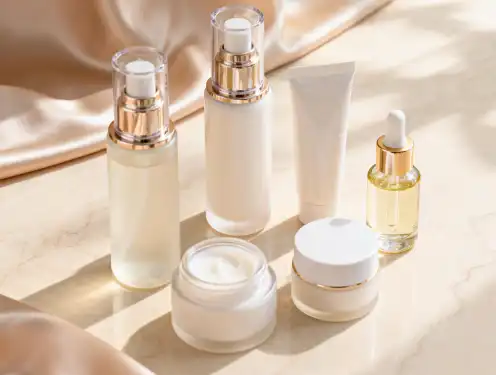
If you want to make a good product, you need to pay close attention to the pH of the mix. To keep the product steady and protect the skin's natural acid layer, the pH should be kept between 5.5 and 6.5. Oxidation can damage things, but antioxidant systems with vitamin E, ferulic acid, or other defenders keep them from breaking down. Two types of capsule technologies are time-release systems and liposome transport. These technologies change how quickly ingredients enter the skin to make them more tolerable and make the ingredients more stable. To keep the retinaldehyde working well over time, the package should be made of materials that block light (like amber glass and dark plastics) and designs that block oxygen (like airless pumps and nitrogen-flushed containers). These advances in formulation science and packing engineering set high-end products that always work well apart from cheaper ones whose quality drops quickly.
Application Protocols and Usage Recommendations
People should be told in the product information to slowly start using retinaldehyde. They should start with two treatments a week and slowly increase the number of times they do it as their tolerance grows. Because cells turn over faster in the evening, they are more sensitive to light. This is why it is still best to apply in the evening. Along with broad-spectrum sunscreen, it's now critical, and safety tools should stress this step. Professional settings, higher amounts can be used, but they must be used under controlled conditions and with the right care before and after. Business that make professional products should make sure that the people who work in hospitals and spas get full technical training and clear directions on how to use their products.
Conclusion
Scientists have shown that retinaldehyde works as an ingredient that is very good and falls between over-the-counter retinol and prescription tretinoin. Because of how its molecules are set up, it can change into retinoic acid very quickly while still being safe. Companies that make high-end acne and anti-aging treatments can use it because of this. When B2B sourcing experts are looking for this ingredient, they should put professionalism, seller quality references, and stable formulations at the top of their list of things to look for. Makeup makers that want to compete in more advanced markets should use this compound. It has been shown to work, and more and more people want beauty products that are backed by science. If you know about technical needs, legal problems, and the best ways to get ready, you can make a product that works well and meets safety standards.
FAQ
1. Is Retinaldehyde Safe for Sensitive Skin Types?
Retinaldehyde is stronger than retinol, but most people can handle it better than tretinoin. Formulations for sensitive skin work best when they use centella asiatica extract, niacinamide, or ceramides in small amounts (0.01-0.03%) and in combination with ingredients that calm the skin. It is still suggested to do patch tests, and slow introduction methods help keep change reactions to a minimum. The people who make things should include clear instructions on how to use them that take into account how sensitive someone might be at first.
2. Can Pregnant Individuals Use Products Containing This Ingredient?
When you are pregnant, doctors always tell you to stay away from all vitamin A products because taking in too much systemic retinoic acid can lead to birth problems. Regulatory bodies are still being careful, even though direct treatment doesn't change the person as a whole. Labels on products should have the right pregnancy warnings, and companies should make choices that are safe for pregnant women so that they stay as customers throughout their lives.
3. How Long Before Visible Results Appear?
Texture and tone of the skin generally get better in 4 to 6 weeks, and after 12 to 16 weeks of constant use, the effects are at their best. How each person responds is based on how much they use, how often they use it, and how their skin was to begin with. Customers will not be let down if you set fair standards in your marketing materials. This will also encourage them to keep using it, which is necessary to get all of its benefits.
Partner with YTBIO for Premium Organic Botanical Ingredients
We know how important quality, clarity, and a reliable source are when it comes to making makeup, which is why YTBIO focuses on organic plant-based chemicals instead of manufactured actives like retinaldehyde. You can trust us to help you find the right ingredients for retinoid recipes because we know a lot about natural ingredients and organic plant extract powders. The main ingredients in many well-known skin care brands are retinoid and certified organic plant extracts, such as chamomile for healing, green tea for vitamins, or oat extracts for barrier support. These are mixed together to make full treatment systems that work well and are easy for the skin to handle. Because it is certified by the European Union, the USDA, and ISO9001, YTBIO keeps quality standards high and makes sure that all of its ingredients meet foreign standards. Our manufacturing partnerships and quality control methods make sure that the ingredients you get are always uniform and free of contaminants. This is true whether you need plant-based proteins for beauty supplements that you can eat or organic herbal extracts to go with your retinoid formulations. You can email our team at sales@sxytorganic.com to talk about your recipe needs, get detailed paperwork, or set up a time to look over a sample for your next product development project.
References
1. Mukherjee S, Date A, Patravale V, et al. Retinoids in the treatment of skin aging: an overview of clinical efficacy and safety. Clinical Interventions in Aging. 2006;1(4):327-348.
2. Creidi P, Vienne MP, Ochonisky S, et al. Profilometric evaluation of photodamage after topical retinaldehyde and retinoic acid treatment. Journal of the American Academy of Dermatology. 1998;39(6):960-965.
3. Didierjean L, Tran C, Sorg O, et al. Biological activities of topical retinaldehyde. Dermatology. 1999;199(Suppl 1):19-24.
4. Pechere M, Germanier L, Siegenthaler G, et al. The antibacterial activity of topical retinoids: the case of retinaldehyde. Dermatology. 2002;205(2):153-158.
5. Verschoore M, Bouclier M, Czernielewski J, et al. Topical retinaldehyde increases skin content of retinoic acid and exerts biological activity in mouse skin. Journal of Investigative Dermatology. 1993;101(4):491-496.
6. Fluhr JW, Vienne MP, Lauze C, et al. Tolerance profile of retinol, retinaldehyde and retinoic acid under maximized and long-term clinical conditions. Dermatology. 1999;199(Suppl 1):57-60.